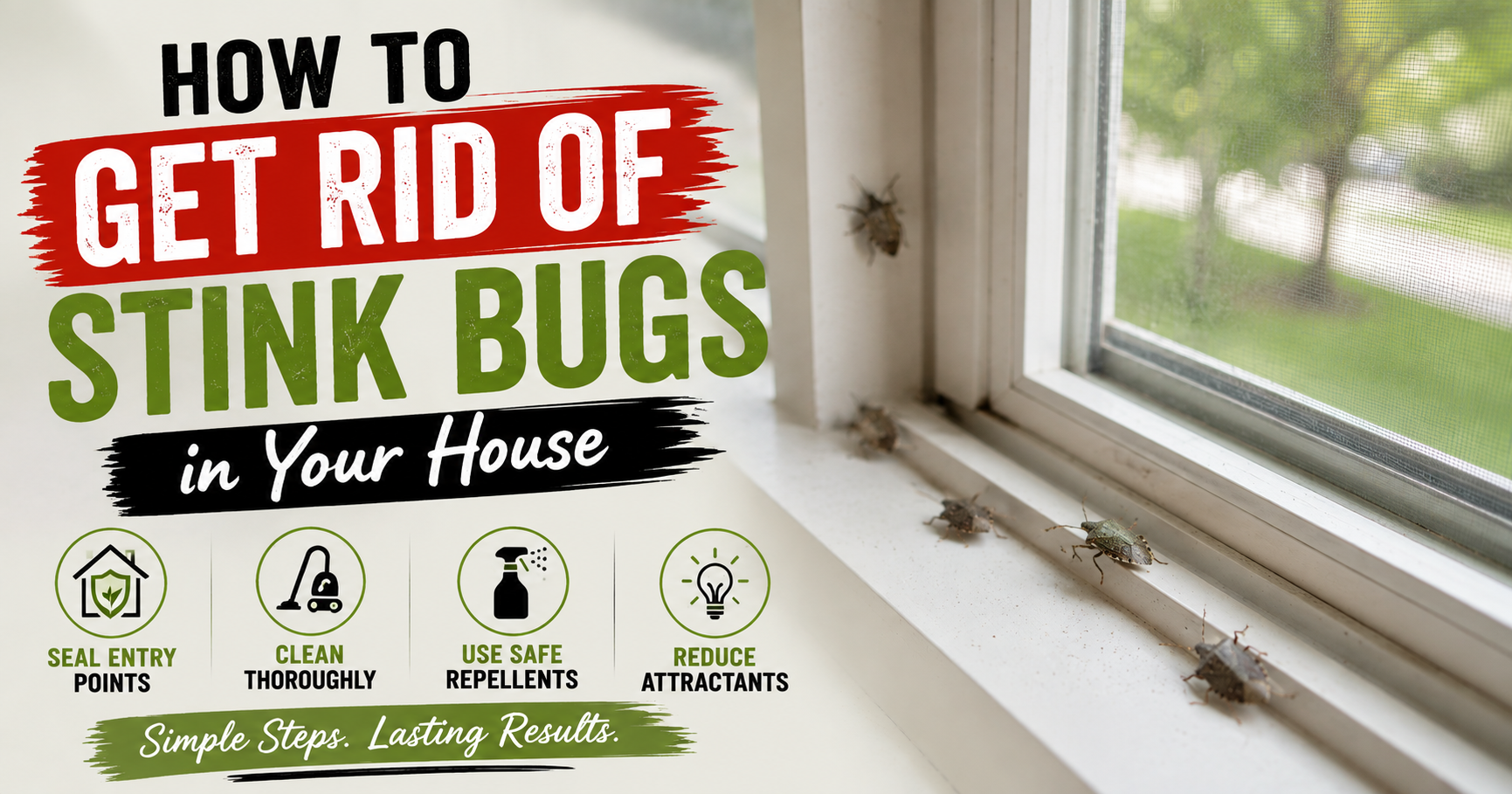
The best way to get rid of stink bugs in your house is to vacuum or capture the insects you can see, avoid crushing them, and seal the exterior openings that allowed them inside. Indoor sprays can kill exposed stink bugs, but they will not stop hidden insects from emerging from walls. For guidance on when a targeted spray fits the problem, read targeted bug spray guidance.
Most indoor stink bug problems involve adult brown marmorated stink bugs that entered during fall. They are using your home as winter shelter rather than feeding, nesting, or reproducing inside it.
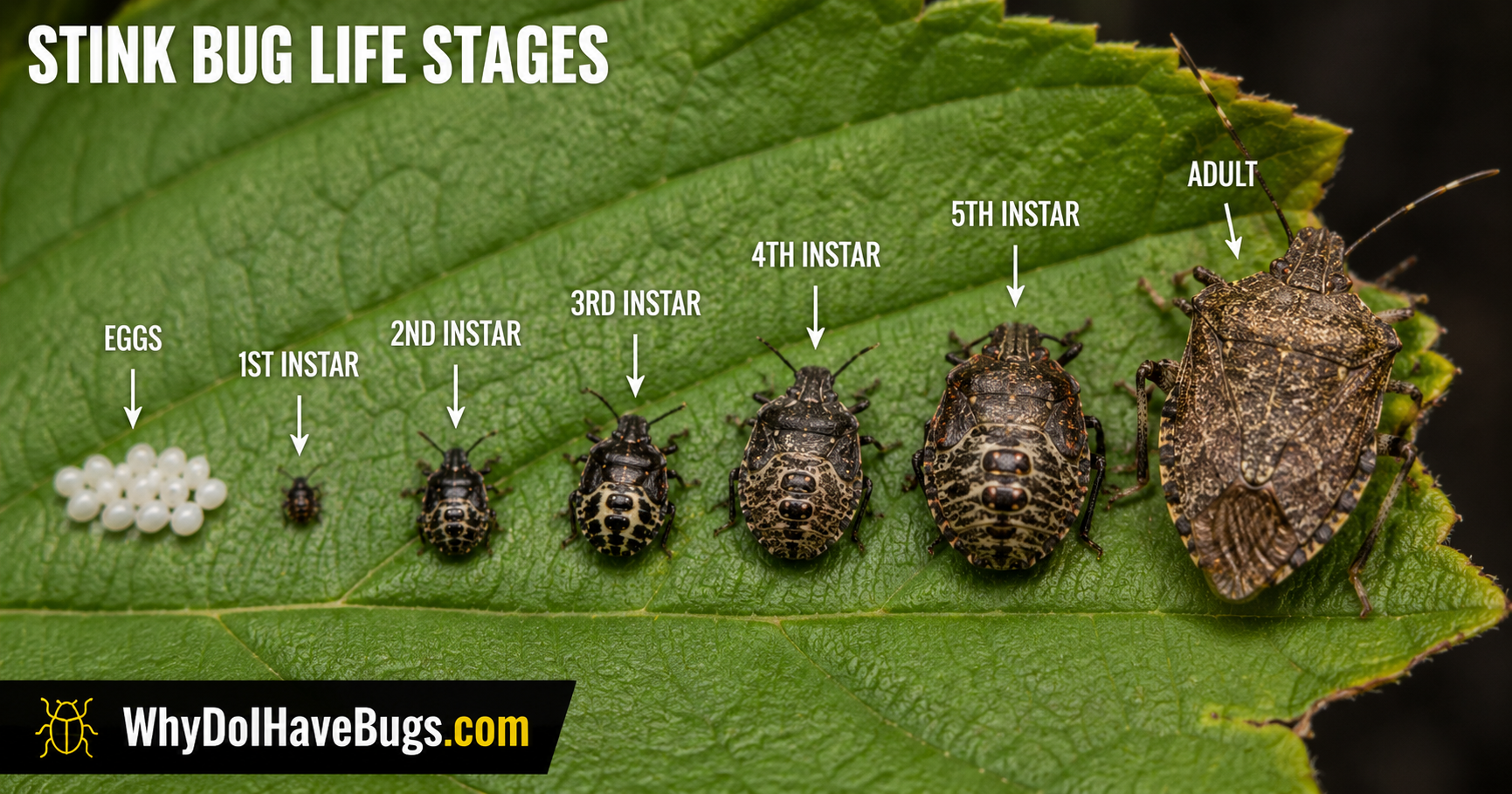
I would begin with physical removal and then inspect the house for entry points. That combination handles the stink bugs already indoors and helps prevent the same problem next year.
The Fastest Way to Get Rid of a Stink Bug
If you have only one or two stink bugs, place a cup over each insect and slide a stiff piece of paper underneath. Keep the cup covered as you carry it outside.
You can release the stink bug away from the house or drop it into a container of soapy water. The soap breaks the surface tension and prevents the insect from escaping.
This method avoids smashing the bug against a wall, ceiling, curtain, or window. Crushing a stink bug can release its defensive odor and leave a mark on the surface.
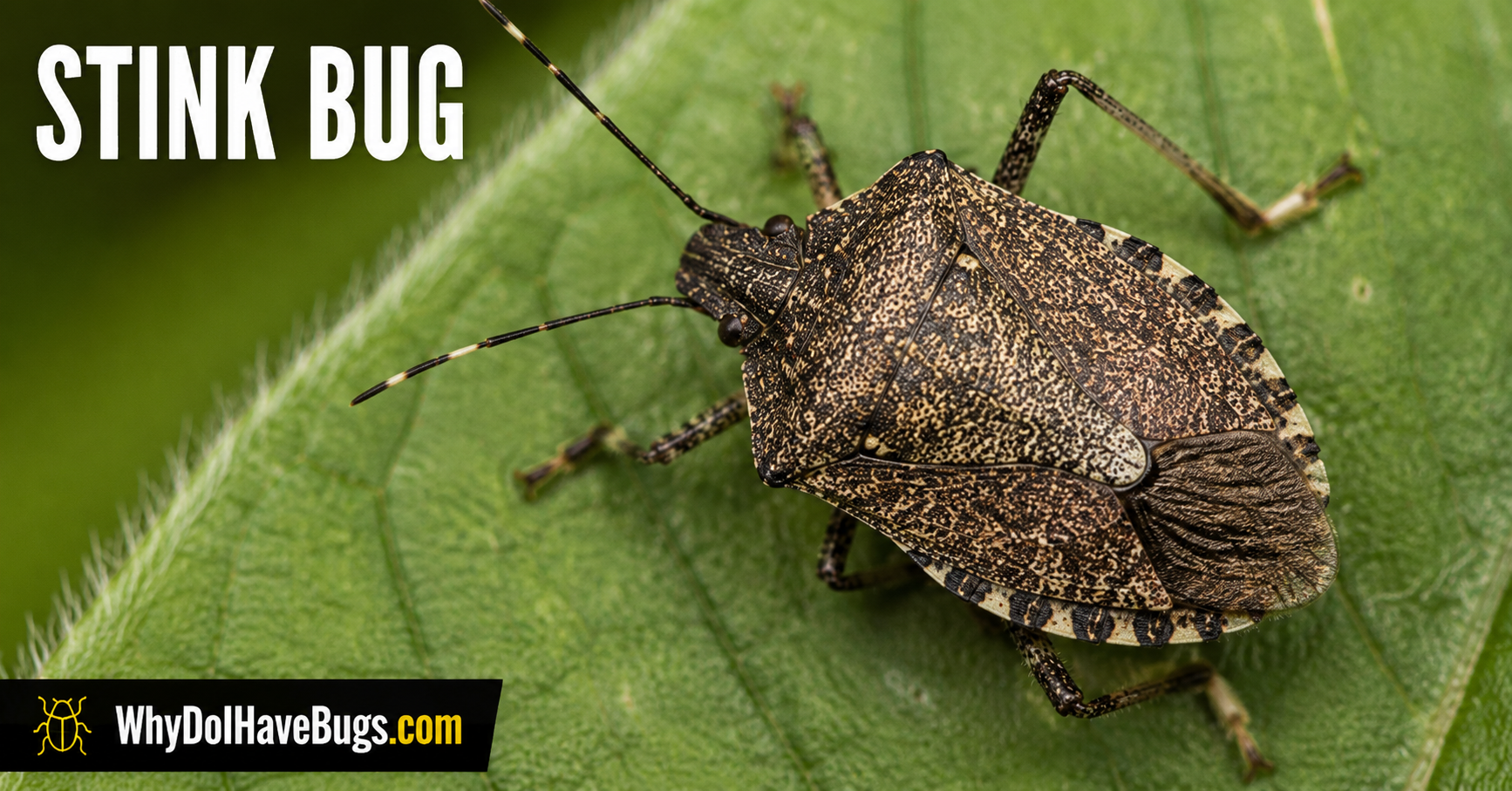
Before removing the insect, make sure it really is a stink bug. My complete stink bug identification guide shows the body shape and markings that separate stink bugs from other insects.

My Recommended Stink Bug Removal Plan
I would handle an indoor stink bug problem in this order:
- Capture or vacuum every visible stink bug.
- Check windows, ceilings, vents, and attic access points for more insects.
- Avoid crushing the bugs or disturbing large hidden groups.
- Use a labeled contact spray only when physical removal is impractical.
- Inspect the exterior for openings.
- Seal cracks before the next fall migration.
- Monitor the same rooms during warm winter days and early spring.
The visible stink bugs are only part of the problem. If new ones keep appearing, they are probably emerging from a wall, attic, ceiling, or another protected space.
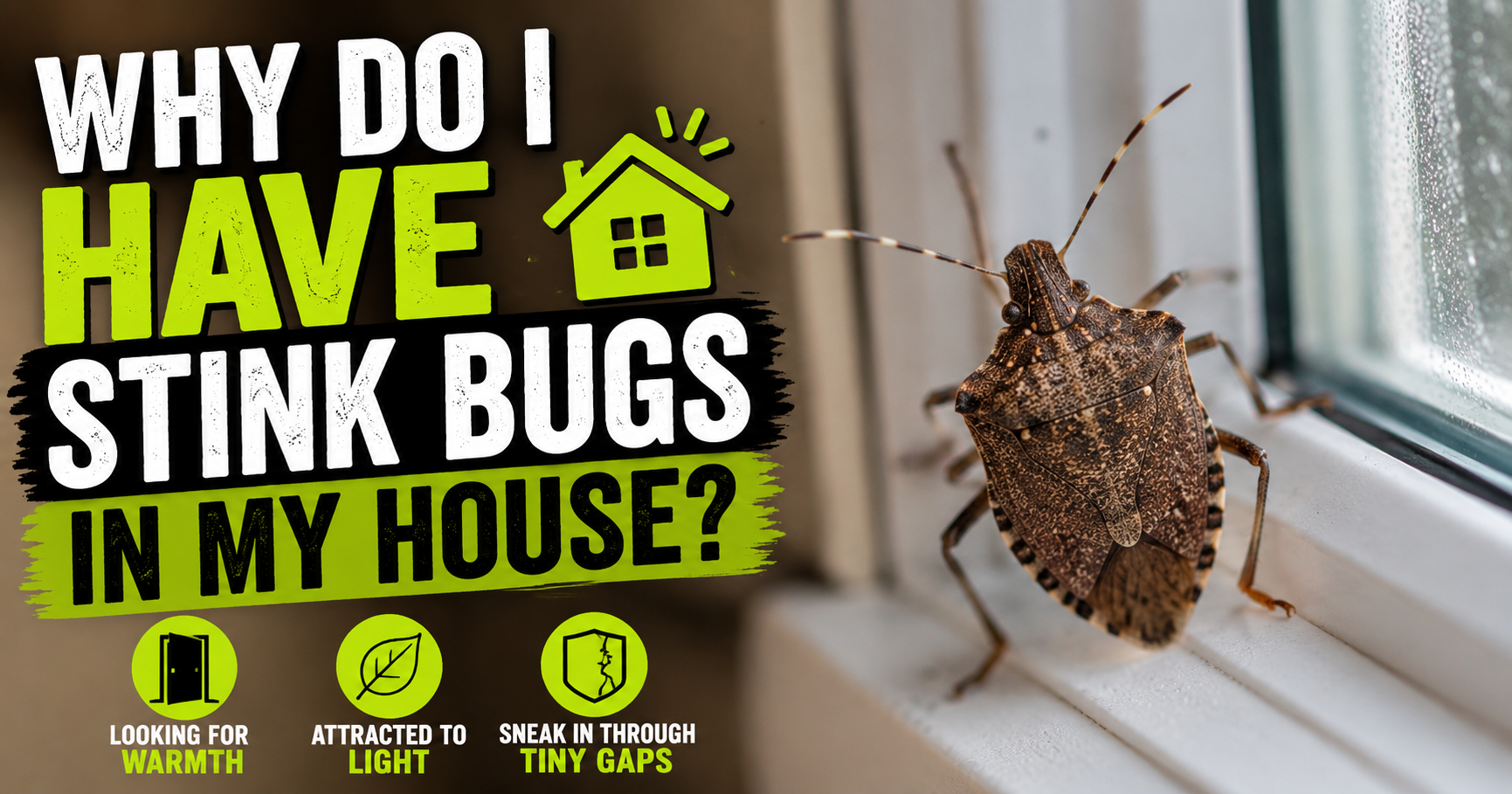
The reason they are there is explained more fully in my guide to why stink bugs keep appearing inside houses.
Vacuuming Stink Bugs Inside the House
A vacuum is one of the quickest ways to remove several stink bugs from windows, ceilings, curtains, and walls.
The saved Bissell Pet Hair Eraser Allergen Lift-Off Vacuum has enough suction and useful attachments to collect visible stink bugs, particularly around baseboards, windows, curtains, and furniture.
However, stink bugs may release their odor inside the hose, filter, bag, or collection chamber. I would not allow them to remain in the vacuum after cleaning.
Empty the collection chamber into a sealed bag outdoors and wash removable components according to the vacuum manufacturer’s instructions. Do not wet electrical components or any filter that is not designed to be washed.
If stink bugs appear regularly, an inexpensive handheld vacuum or small shop vacuum dedicated to bug removal may be more practical. That keeps the smell out of the vacuum used throughout your home.
How to Vacuum Stink Bugs Without Spreading the Smell
Try not to press the vacuum nozzle directly against the bug. Hold it close enough for the suction to pull the insect inside.
Vacuum stink bugs individually instead of repeatedly pushing them against the wall. The less pressure applied, the lower the chance that they will release a strong odor before entering the hose.
After vacuuming, take the machine outside before opening it. Place the contents in a bag, seal it, and dispose of it in an outdoor trash container.
A lingering smell does not mean the vacuum is permanently damaged. Cleaning the collection chamber and allowing washable parts to dry completely may reduce the odor.


Making a Simple Soapy Water Stink Bug Trap
A shallow pan containing soapy water can catch stink bugs in a dark room when a light is positioned over the water.
To make the trap:
- Place a shallow disposable pan on a stable surface.
- Add enough water to cover the bottom generously.
- Mix in a small amount of liquid dish soap.
- Position a small lamp so it shines directly onto the water.
- Turn off other lights in the room.
- Keep children and pets away from the water and electrical cord.
- Check and empty the trap regularly.
Active stink bugs may move toward the light and fall into the soapy water. This can help reduce the number emerging inside a room.
The trap is not a complete solution. It cannot reach dormant stink bugs hidden in walls, and it does not close the exterior openings that allowed them inside.
Can You Flush Stink Bugs Down the Toilet?
Flushing a stink bug will usually remove it, but it uses much more water than necessary.
Dropping the insect into a small container of soapy water is simpler. Once the insect is dead, you can dispose of the contents without repeatedly flushing the toilet.
Do not pour unused pesticides or concentrated insecticide mixtures down a toilet, sink, floor drain, or storm drain.

Should You Squish Stink Bugs?
I would avoid squishing stink bugs indoors.
A threatened or crushed stink bug can release defensive chemicals with a strong odor. The smell may remain on your hands, clothing, furniture, walls, curtains, or carpet.
Crushing the insect can also leave a brown or yellowish spot on light-colored surfaces.
The smell does not automatically attract additional stink bugs into the room, but it can make a simple removal job much more unpleasant.
Use a cup, vacuum, or soapy water instead.
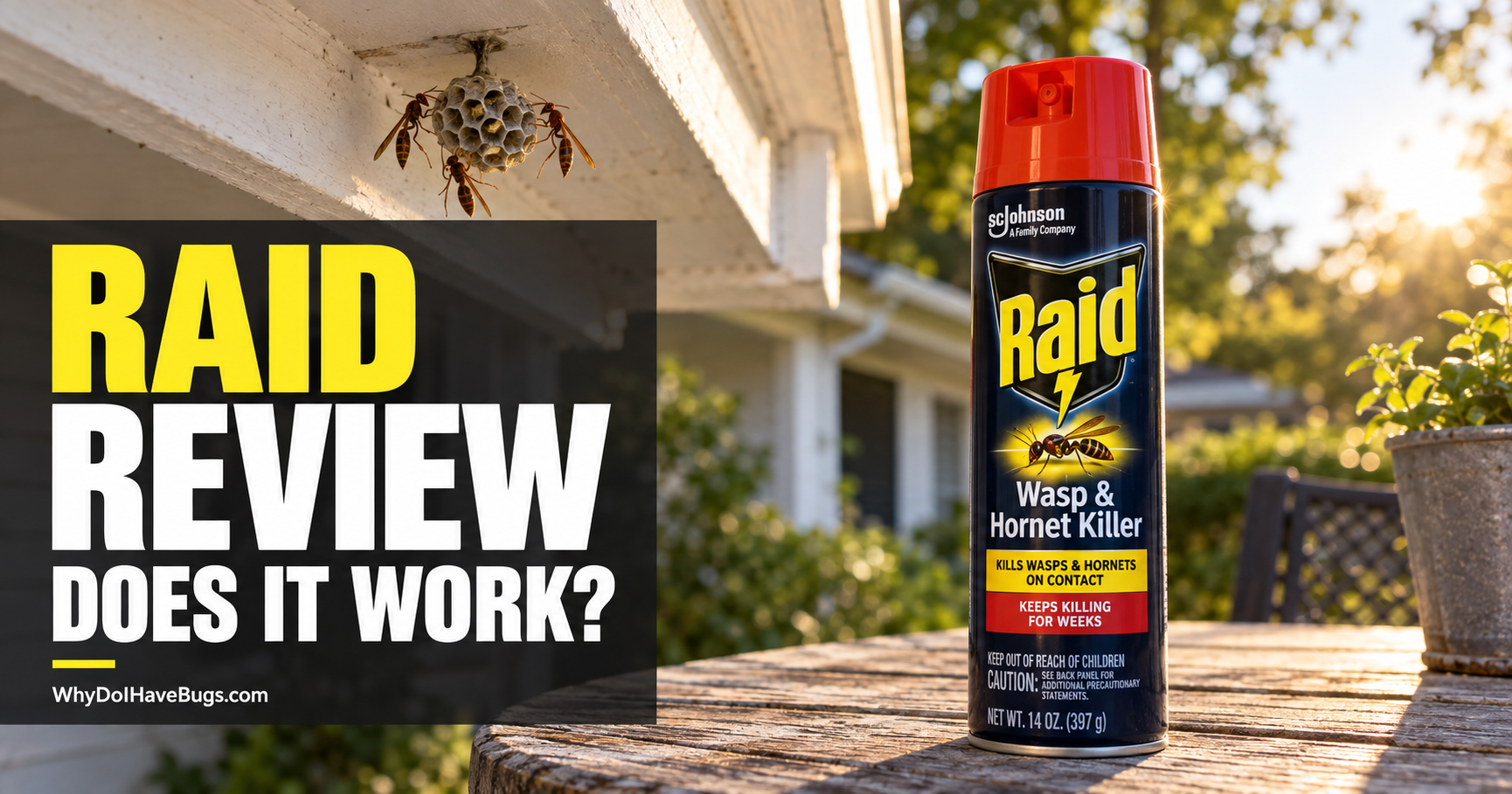
Does Raid Kill Stink Bugs?
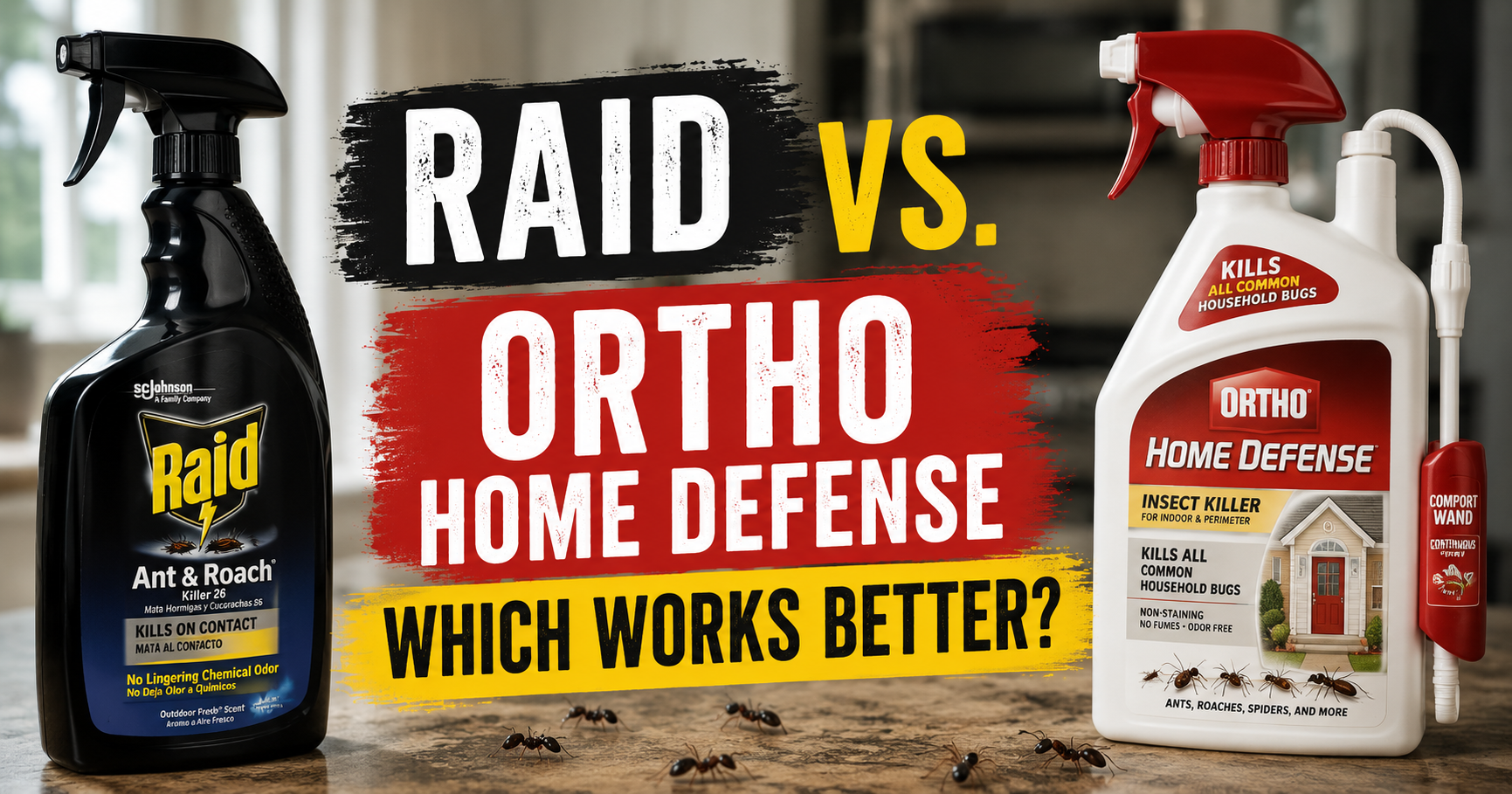
The current label for Raid Ant and Roach Killer 26 lists stink bugs among the insects it kills. It can be used as a contact treatment for exposed stink bugs when used exactly as directed. Because this paragraph discusses a specific product, readers can also review our affiliate disclosure for information about product-related links on the site.
Product names and formulations can change, so check the label on your specific can before using it. The pest must appear on the label, and the application location must also be permitted.
I would reserve the spray for situations where stink bugs cannot be collected easily. A spray is rarely necessary for one bug sitting on a window.
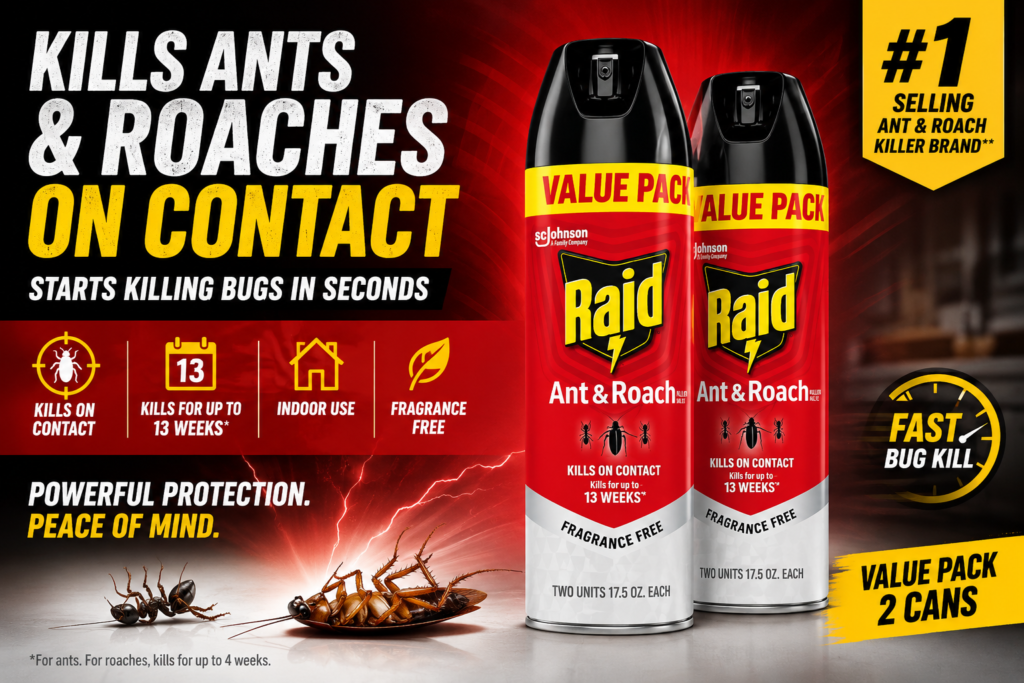
Raid may kill the insects it contacts, but it does not eliminate every stink bug hidden inside walls and attics. It also does not stop additional bugs from coming through an unsealed opening. For the product's intended ant-and-roach use, see this review of Raid immediate-response spray.


How to Use Raid for Stink Bugs Safely
Read the complete product label before spraying. The label is the legal instruction for where and how the product can be used.
For the currently labeled Raid Ant and Roach Killer 26:
- Remove people and pets from the immediate application area.
- Cover or remove exposed food, dishes, and food-handling items.
- Keep the spray away from flames, pilot lights, sparks, and heated surfaces.
- Do not spray into electrical outlets or equipment.
- Apply only in locations and amounts permitted by the label.
- Keep children and pets away until the treated area has dried.
- Ventilate the room as directed.
- Wash your hands after handling the container.
- Store the product away from children and heat.
- Never pour unused product into an indoor or outdoor drain.
Do not assume that the advertised residual period for ants and cockroaches applies equally to stink bugs. For stink bugs, I would consider this primarily a direct-contact product unless the label specifically states otherwise.
Why Indoor Spray Does Not Solve the Whole Problem
A stink bug spray kills only insects that contact an effective treatment.
Stink bugs hiding deep inside wall voids, insulation, attic materials, siding, or roof gaps may remain untouched. More can emerge days or weeks after the visible insects have been sprayed.
This does not necessarily mean the product failed. It means the treatment did not reach the hidden insects or address their entry points.
Heavy indoor spraying can also create unnecessary pesticide exposure. If stink bugs die inside inaccessible spaces, their bodies may provide food for scavenging insects.
I prefer physical removal in living areas and exclusion work around the exterior.

Should You Use a Bug Bomb for Stink Bugs?
I do not recommend relying on bug bombs or total-release foggers for stink bugs.
The aerosol may not penetrate the protected wall and attic spaces where the insects are hiding. It can kill some exposed bugs while leaving most of the overwintering group untouched.
Foggers also introduce pesticide throughout a larger indoor area than is usually necessary for a nuisance insect that does not reproduce inside the home.
New stink bugs may continue appearing after the fogger has been used. The house still has the same openings and hidden insects.
Does Diatomaceous Earth Kill Stink Bugs?
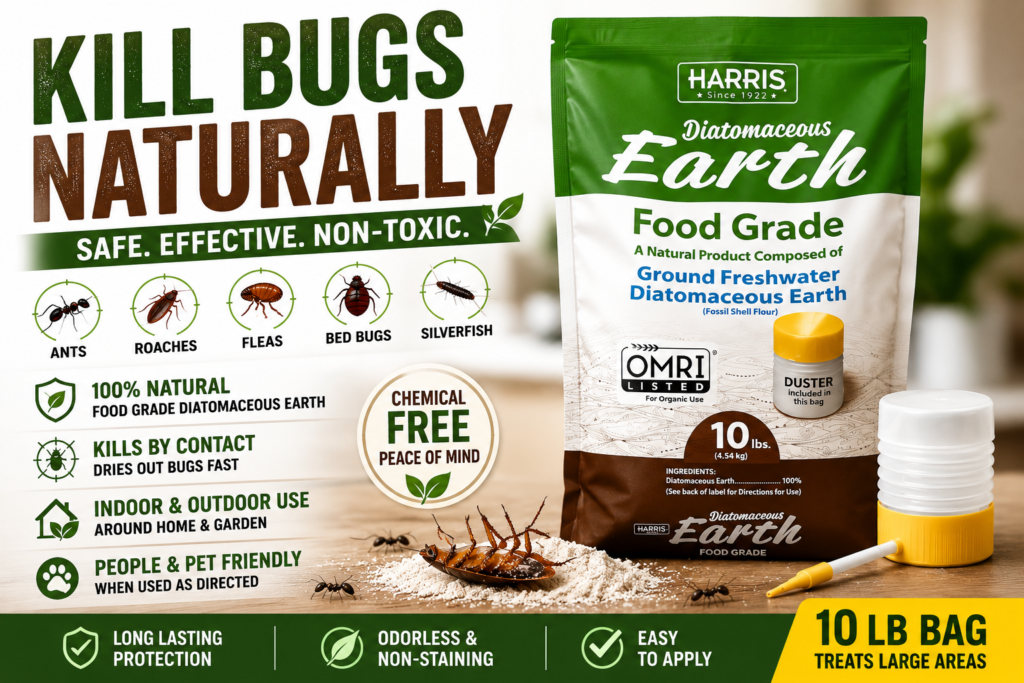
Diatomaceous earth can damage the waxy outer layer of some crawling insects after sufficient dry contact. However, I do not consider it the best primary treatment for stink bugs in a house.
Stink bugs often hide inside inaccessible wall and attic spaces. Dust placed randomly along floors is unlikely to reach the majority of them.
Loose dust can also become airborne during application or cleanup. It should not be inhaled, scattered across living surfaces, or placed where children and pets can disturb it.
Harris diatomaceous earth may be useful for other crawling pest situations when the exact product is labeled for that use, but I would not buy it specifically to solve an indoor stink bug problem.
How to Find Where Stink Bugs Are Coming From
The room where you find a stink bug gives you a starting point, but it may not reveal the original exterior opening.
A stink bug on an upstairs ceiling could have entered through a roof vent months earlier. One near a downstairs window may have traveled through a wall cavity before moving toward the light.
Inspect the areas where insects repeatedly appear:
- Window frames
- Exterior doors
- Ceiling fixtures
- Recessed lighting
- Bathroom exhaust fans
- Attic access panels
- Baseboards
- Electrical and plumbing openings
- Fireplace areas
- Heating and cooling vents
- Window air conditioners
- Gaps where walls meet ceilings
Write down where and when you find them. Several appearances around the same ceiling fixture or window can reveal a likely route from a hidden space into the room.
Check the Outside of the House Too
Exterior inspection is the most important part of long-term stink bug control.
Look carefully around:
- Window and door trim
- Siding joints
- Utility penetrations
- Foundation cracks
- Gable and attic vents
- Soffits and fascia boards
- Roof vents
- Chimneys
- Crawlspace entrances
- Garage doors
- Dryer and bathroom vents
- Outdoor faucets
- Cable and electrical lines
- Places where additions meet the original building
Pay special attention to the side of the house where stink bugs gather during sunny fall afternoons.
The homeowner guide to stink bug activity indoors explains why upper walls, attic openings, and sunny sides of buildings frequently become problem areas.
Seal Gaps Around Windows
Remove loose or failing caulk around exterior window frames and replace it with an appropriate exterior-grade sealant.
Repair damaged screens and make sure they fit tightly inside their frames. A screen only works if there are no gaps around its edges.
Check beneath the sill and where window trim meets siding, brick, stone, or another exterior surface.
Do not seal intentional drainage openings built into the window system. If you are unsure whether an opening is designed for drainage, consult the window manufacturer or an experienced contractor.
Seal Exterior Doors
Replace cracked, flattened, or missing weatherstripping around exterior doors.
Install a door sweep if light is visible beneath a closed door. Pay special attention to garage entry doors, basement doors, sliding doors, and doors that are not used frequently.
Check the corners where weatherstripping pieces meet. Small corner gaps can be large enough for stink bugs to enter.
Garage doors may need new bottom seals or side weatherstripping if gaps are visible when the door is closed.
Screen Attic and Crawlspace Vents
Stink bugs often enter through vents near the roofline.
Inspect gable, soffit, attic, foundation, and crawlspace vents for damaged or missing insect screening. The screen must block insects without interfering with the ventilation the building needs.
Do not cover required vents with solid material. Trapping moisture inside an attic or crawlspace can create a much more expensive problem than stink bugs.
A contractor can repair inaccessible or damaged roofline vents safely.
Seal Openings Around Pipes and Wires
Look for gaps where electrical cables, internet lines, air-conditioning lines, plumbing, and other utilities pass through exterior walls.
Small gaps can often be closed with a compatible exterior sealant. Larger openings may require backing material before they can be sealed properly.
Choose products suitable for the surface, weather exposure, and size of the opening. Follow fire-safety requirements around electrical, heating, and exhaust components.
Check the Roofline Carefully
Roofline openings are easy to overlook because they may not be visible from the ground.
Inspect soffits, fascia boards, flashing, roof vents, ridge vents, and the areas where different roof sections meet.
Do not climb onto a steep or wet roof to look for stink bug openings. A roofing contractor or pest-control professional can inspect high areas much more safely.
The presence of stink bugs in upstairs rooms or an attic makes roofline entry especially likely.
When Is the Best Time to Seal a House?
Complete the main exclusion work before stink bugs begin gathering during late summer and fall.
Spring and early summer are often good times to inspect, repair, and seal the exterior. This gives caulk and other materials time to cure before fall activity begins.
If stink bugs are already hidden inside walls, sealing during winter will not make every indoor bug disappear immediately. Some may continue emerging into rooms until spring.
That does not mean you should reopen the gaps. The bugs appearing indoors may have entered before the repairs were completed.
Can You Seal Stink Bugs Inside the Walls?
Some stink bugs may remain inside wall voids after exterior openings are sealed.
They do not normally reproduce there or damage structural materials. Most will eventually die or attempt to move outdoors when spring arrives.
Opening walls to remove them is rarely justified. The repair cost and disruption are usually greater than the nuisance caused by the insects.
Continue removing visible stink bugs while leaving the exterior repairs in place.
Should You Spray the Outside of the House?
An exterior insecticide treatment can reduce stink bugs gathering and entering when it is applied at the correct time and in locations allowed by the product label. For important context about treatment results and limitations, read our treatment-results disclaimer.
However, outdoor spraying has limitations. Sunlight, rain, surface type, timing, and the product used can affect how well it works.
Some outdoor insecticides are highly toxic to bees, fish, and aquatic organisms. Never spray flowering plants being visited by pollinators, and do not allow pesticide to enter gutters, storm drains, ponds, or other water.
If you use an exterior product, choose one that specifically lists stink bugs and the intended application site. Follow every label direction.
Exclusion is still the part that provides lasting protection.
Can Stink Bugs Be Removed From an Attic?
Visible attic stink bugs can be vacuumed, but disturbing a large hidden group may cause odor and scatter insects.
Wear appropriate protective equipment when entering an attic. Insulation, exposed nails, heat, limited footing, electrical wiring, dust, and low clearance can make attic work dangerous.
Do not step between ceiling joists unless a safe walking surface is present. If the infestation is concentrated near an inaccessible roofline, professional help may be safer.
Focus on repairing the openings that allow bugs into the attic rather than trying to find every individual insect.
How to Get Stink Bugs Out of a Bedroom
Remove visible bugs with a cup or vacuum. Check the window, ceiling light, vents, attic access, and gaps around trim.
Stink bugs do not live in mattresses or feed on sleeping people. There is no need to throw away bedding, a bed frame, or furniture.
Wash bedding only if a bug was crushed on it or left an odor. Ordinary laundering should handle minor residue, but check the fabric-care label first.
Repeated bedroom activity often points to a nearby attic, roofline, or exterior wall opening.
How to Get Stink Bugs Out of Curtains
Avoid smashing the insect against the fabric.
Place a cup behind the stink bug and gently encourage it to crawl inside using a piece of paper. A vacuum attachment can also remove it, but keep the nozzle from pulling delicate fabric into the hose.
If the bug released its odor, follow the curtain manufacturer’s cleaning directions. Test any cleaning product on a hidden area before using it on visible fabric.
Do not apply insecticide directly to curtains unless the product label specifically permits that use.
How to Get Stink Bugs Out of a Window
A cup and paper usually work well for stink bugs crawling on glass or window trim.
If the bug is trapped between the screen and glass, open the window carefully from inside and remove the screen only if it can be done safely. Try to direct the insect outdoors without crushing it.
After removal, inspect the screen, frame, exterior caulk, and weatherstripping for gaps.
A window where stink bugs repeatedly appear may be an interior emergence point, even if they originally entered somewhere higher on the building.
Do Homemade Stink Bug Repellents Work?
Homemade sprays made with essential oils, vinegar, garlic, or other household ingredients may temporarily discourage stink bugs from a treated surface. Results are inconsistent, and the effect usually does not last.
Some mixtures can discolor siding, damage finishes, harm plants, irritate skin, or create strong indoor odors.
I would not spray an untested mixture across walls, furniture, plants, or the exterior of a house. Physical removal and exclusion are more dependable.
A homemade repellent cannot overcome an open gap that leads into a protected wall or attic.
Will Dryer Sheets Keep Stink Bugs Away?
There is no dependable reason to treat dryer sheets as a complete stink bug control method.
Even if a fragrance discourages an insect temporarily, the effect will not seal windows, roof gaps, vents, or siding.
Dryer sheets placed around rooms may also create unnecessary clutter without reaching the stink bugs hidden inside the building.
Put your time into inspecting and sealing entry points instead.
What About Peppermint Oil?
Peppermint oil is commonly promoted as a natural bug repellent, but it is not a reliable fix for a stink bug invasion.
The scent fades, and repeated applications are needed. Concentrated essential oils can irritate skin, affect pets, and damage certain surfaces.
Even a strong scent will not remove bugs already inside a wall or permanently protect an open exterior crack.
If you use any essential oil product, follow its safety instructions and keep it away from children and pets.
Will Stink Bugs Go Away on Their Own?
Stink bugs that survive the winter will attempt to leave when spring temperatures rise.
Some may find their way outside. Others may accidentally enter living spaces, become trapped at windows, or die inside hidden areas.
Waiting can eventually reduce the current indoor population, but it does not prevent another fall invasion.
Remove visible insects as they appear and complete exclusion work before the next migration season.
How Long Will Stink Bugs Stay in My House?
Stink bugs may remain hidden from fall until spring.
You may see very little activity during consistently cold weather. Warm winter days or indoor heating can cause individual insects to become active sooner.
The number appearing inside usually decreases as winter ends and surviving adults leave or die.
A house with unrepaired gaps can receive another group the following fall.
Can a Pest-Control Company Get Rid of Stink Bugs?
A qualified pest-control company can inspect the exterior, identify likely entry points, and apply a properly labeled treatment when appropriate.
The best professional plan should include exclusion recommendations. Spraying visible insects without addressing entry points is unlikely to provide lasting results.
Professional help may be worthwhile when:
- Hundreds of stink bugs gather on the building
- Large numbers repeatedly enter living areas
- Activity is concentrated around a high roofline
- Exterior gaps are difficult to locate
- The problem returns heavily every year
- You cannot safely inspect the attic or upper exterior
Ask the company how its treatment addresses stink bugs specifically, where the product will be applied, and what sealing work is still needed.
How to Prevent Stink Bugs From Returning Next Fall
Begin inspecting the house well before temperatures start dropping.
Focus on permanent repairs:
- Replace worn weatherstripping.
- Install door sweeps.
- Repair damaged screens.
- Recaulk windows and exterior trim.
- Seal utility penetrations.
- Repair soffit and fascia gaps.
- Screen vents correctly.
- Cap or screen chimney openings as appropriate.
- Repair loose siding.
- Check garage-door seals.
- Reduce unnecessary lights near entrances.
- Keep doors and windows closed during heavy fall activity.
Watch the sunny sides of the house during late summer and early fall. Stink bugs gathering there can warn you that the seasonal migration has started.
Frequently Asked Questions
What kills stink bugs instantly inside the house?
A direct-contact insecticide specifically labeled for stink bugs can kill exposed insects. Soapy water also kills them without requiring broad indoor pesticide use.
What is the easiest way to remove one stink bug?
Cover it with a cup, slide a stiff piece of paper underneath, and carry it away. This avoids crushing the insect and releasing its odor.
Can I vacuum stink bugs?
Yes. Vacuuming is one of the quickest ways to collect several stink bugs. Empty the vacuum outdoors promptly because the insects may release odor inside it.
Does Raid Ant and Roach Killer kill stink bugs?
The current Raid Ant and Roach Killer 26 label lists stink bugs. Check your specific can before using it because product formulations and labels may change.
Why do stink bugs keep coming back after I spray?
More stink bugs may be emerging from hidden spaces that the spray did not reach. Spraying also does not seal exterior openings.
Do stink bugs die inside walls?
Some will die inside walls and attics. Others survive until warmer weather and attempt to leave during spring.
Will stink bugs multiply inside my house?
Brown marmorated stink bugs do not normally reproduce inside homes. The adults entered to find winter shelter.
Should I use diatomaceous earth for stink bugs?
Diatomaceous earth is not my first choice for stink bugs. Physical removal and sealing exterior openings are more direct and dependable.
What smell keeps stink bugs away?
Strong scents may temporarily affect their behavior, but no household smell provides reliable long-term control. Sealing the house is more effective.
How do I stop stink bugs permanently?
No method can remove stink bugs from the surrounding environment permanently. You can greatly reduce indoor problems by sealing entry points before their fall migration.
When the visible insect does not match the familiar shield shape, compare it with the markings and features of a real stink bug before choosing a pesticide.
Caleb Warren is a longtime gardener and backyard insect researcher who writes practical pest-control guides for WhyDoIHaveBugs.com, helping homeowners solve insect problems without using more pesticide than the situation requires.