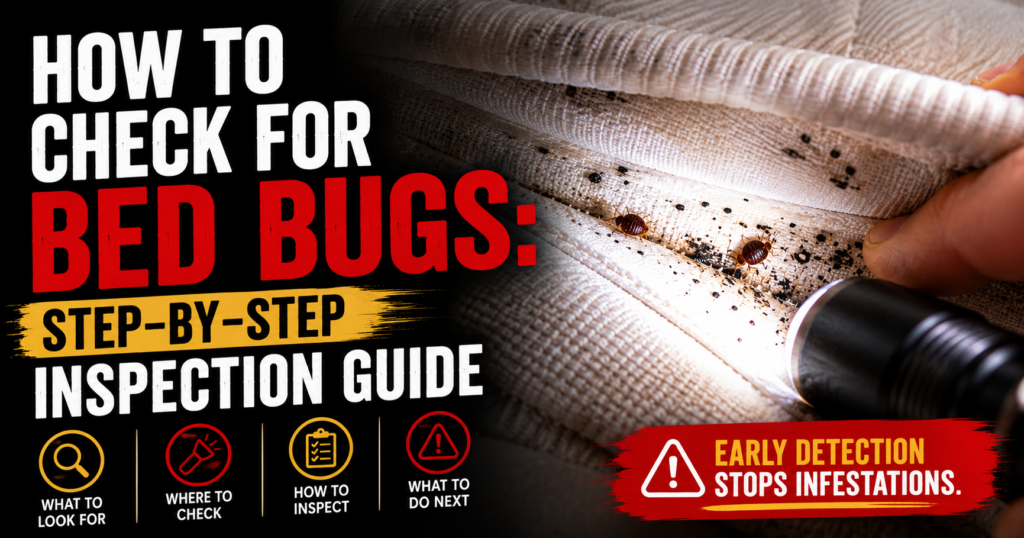
If someone called me today and said, “I think I have bed bugs,” I wouldn’t start by grabbing a spray.
I’d start by inspecting.
That’s because the quality of your inspection often determines everything that comes next.
The sooner you know where bed bugs are hiding, the easier it is to decide whether you’re dealing with a single hitchhiker or an established infestation.
The good news is you don’t need expensive equipment to perform a careful inspection.
You simply need to know where to look.
Sarah’s First Impression
One mistake I see over and over is homeowners checking only the top of the mattress.
If I spent all my time there, I’d probably miss a lot of infestations.
Bed bugs are experts at hiding.
That’s why my inspection always follows the same order.
I begin with the places they’re most likely to hide and gradually work outward.
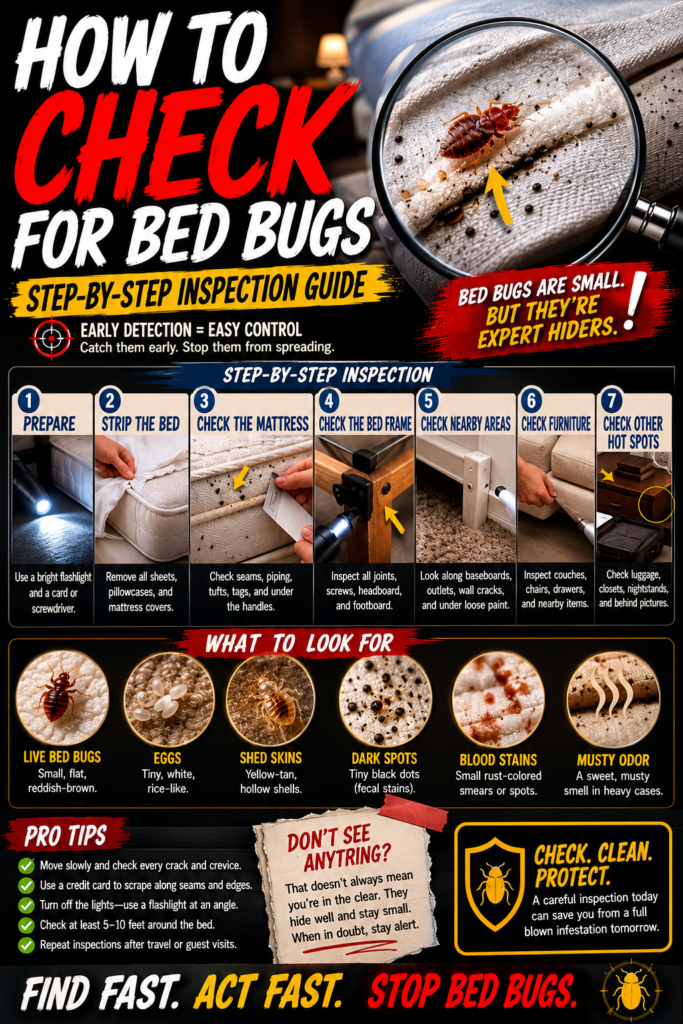
Step 1: Inspect the Mattress
Start with the mattress, but don’t focus on the middle.
Instead, inspect:
- Seams
- Piping
- Fabric tags
- Corners
- Stitching
Use a bright flashlight and move slowly.
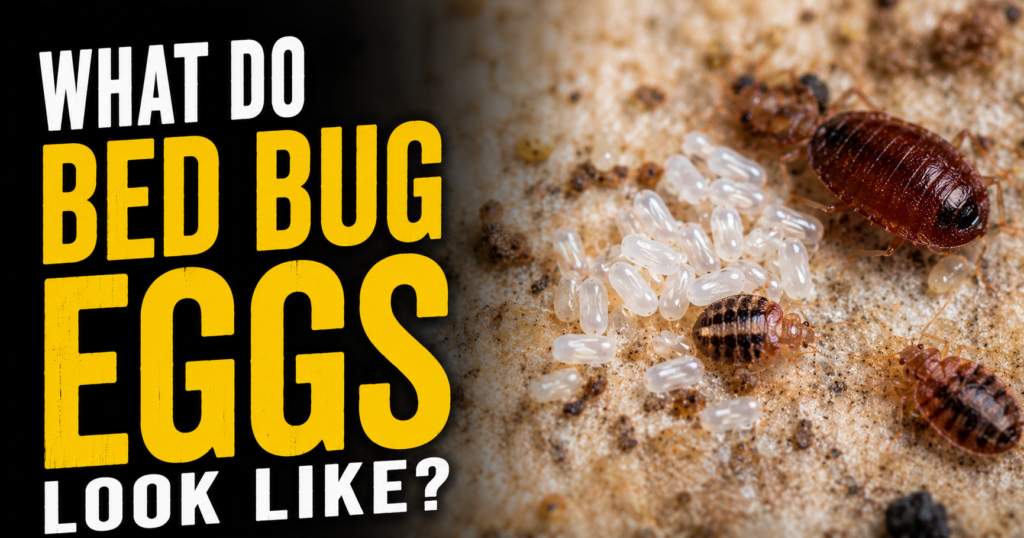
If you’re unsure what bed bug eggs actually look like, our guide on identifying bed bug eggs will help you distinguish eggs from lint or other debris.
Step 2: Check the Box Spring
The underside of the box spring often tells a much bigger story than the mattress.
Pay attention to:
- Wooden supports
- Fabric folds
- Staples
- Seams
- Corner joints
These protected spaces are favorite hiding places.
Step 3: Examine the Bed Frame
I never skip the frame.
Inspect:
- Bolt holes
- Screw heads
- Wooden joints
- Decorative grooves
- Metal connections
Tiny cracks can hide dozens of bed bugs.

Step 4: Inspect the Headboard
Many homeowners forget the headboard.
I never do.
Look behind it if possible.
Check mounting brackets, joints, and cracks where the headboard meets the wall.
Step 5: Search Nearby Furniture
Now I begin expanding the inspection.
Look inside:
- Nightstands
- Dressers beside the bed
- Recliners
- Upholstered chairs
If someone regularly sleeps on the couch, inspect that carefully too.
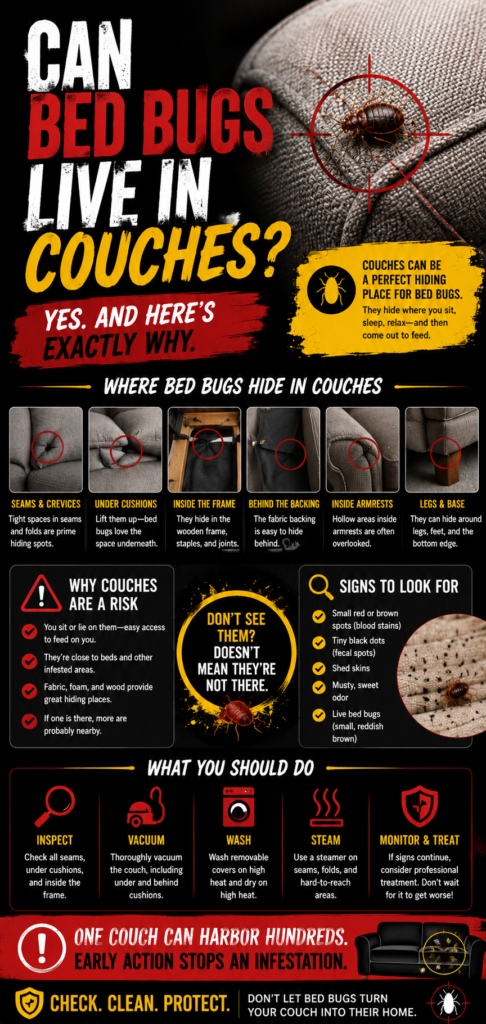
Our article on whether bed bugs can live in couches explains where I focus my attention.
Step 6: Inspect Bedding and Clothing
Next, examine:
- Pillows
- Pillow seams
- Blankets
- Laundry baskets
- Clothing left near the bed
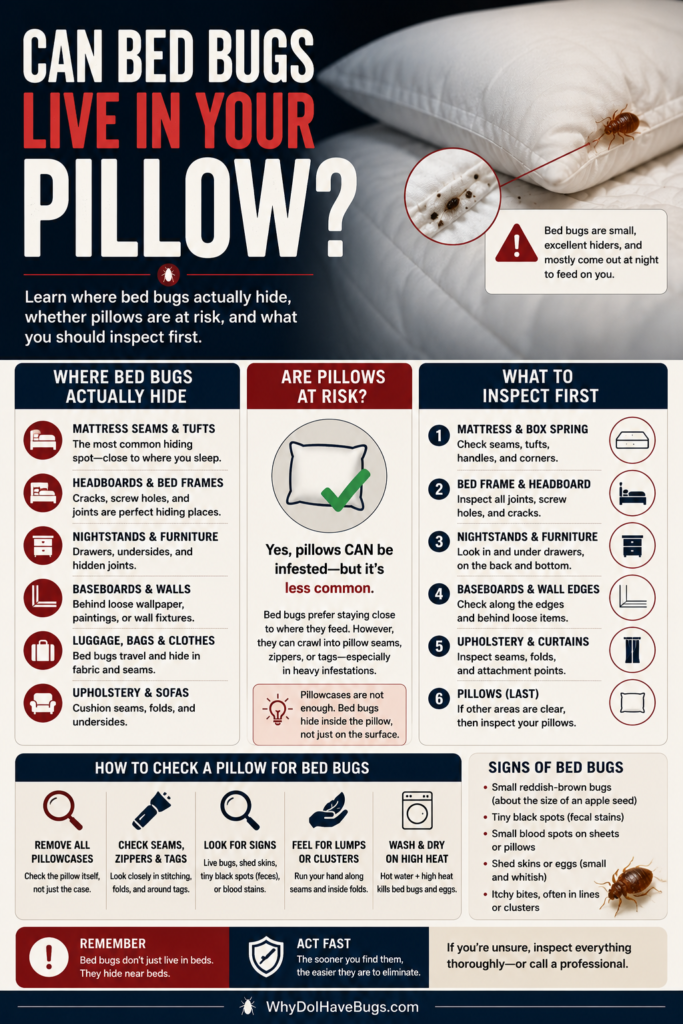
Our guides on bed bugs in pillows and bed bugs in clothes explain why these items sometimes become temporary hiding places.
Step 7: Check Baseboards and Carpet Edges
If the infestation has grown, bed bugs may move beyond the bed.
Inspect:
- Carpet edges
- Baseboards
- Wall cracks
- Furniture touching the wall
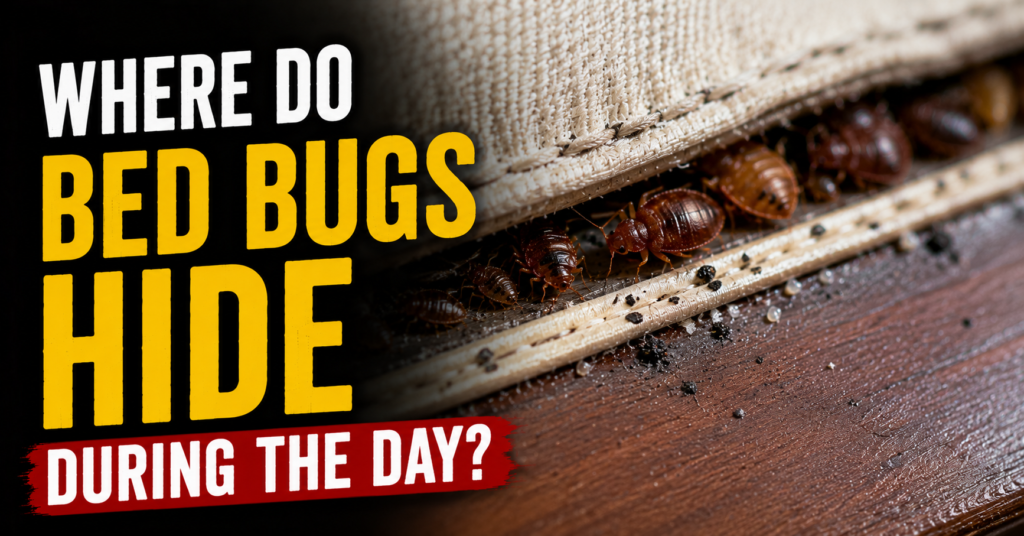
Our article on where bed bugs hide during the day explains why these locations become more important as infestations grow.
What Evidence Am I Looking For?
I’m looking for much more than live bugs.
I want to find:
- Live bed bugs
- Eggs
- Shed skins
- Dark fecal spots
- Tiny blood stains
Finding several of these together gives me much more confidence than finding only one clue.
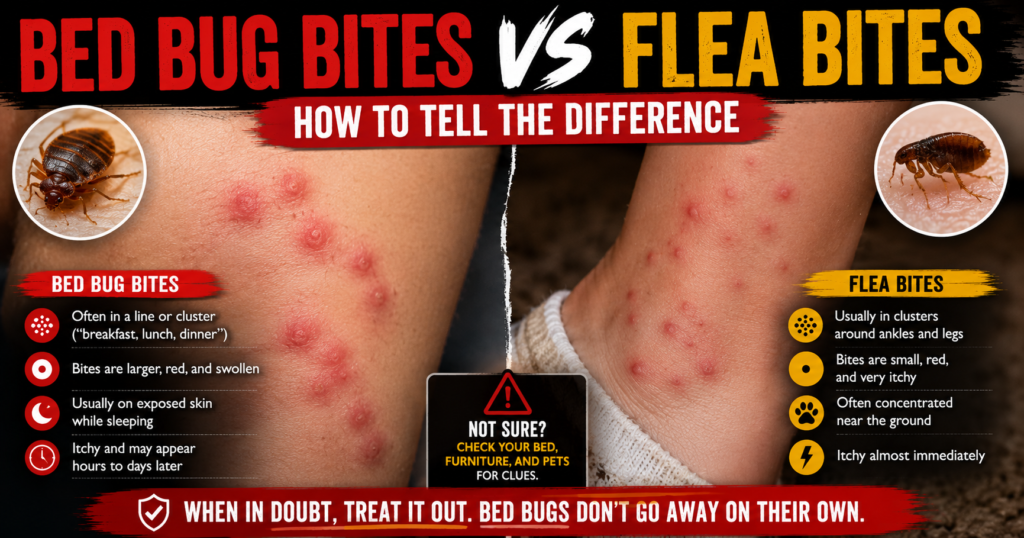
Finding bites during your inspection can certainly raise suspicion, but bites alone aren’t enough to confirm bed bugs. I always compare skin symptoms with physical evidence like eggs, shed skins, and live insects. Our guide on Bed Bug Bites vs. Flea Bites: How to Tell the Difference explains why that distinction is so important.
What If You Only Find One Bed Bug?
Don’t stop inspecting.
One bed bug rarely tells the entire story.
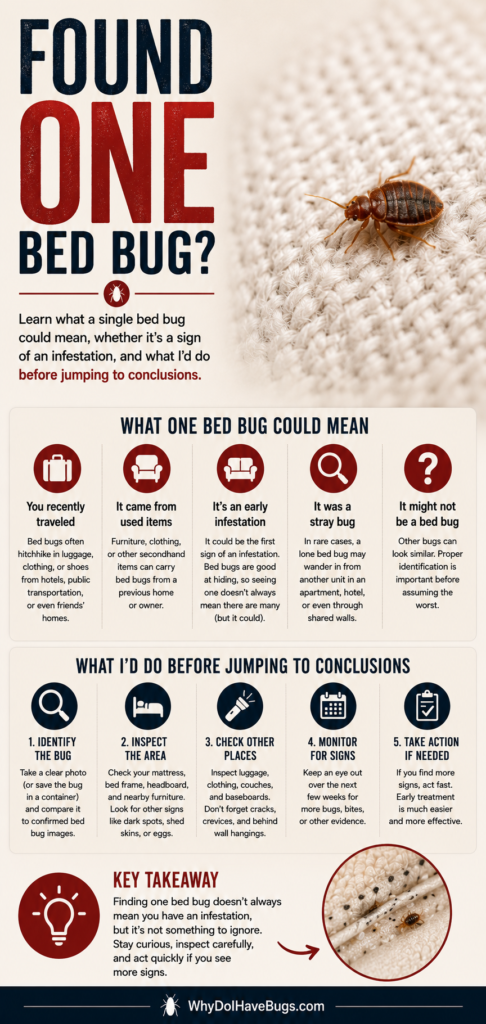
Our guide on what finding one bed bug really means explains why one sighting deserves a careful inspection but not immediate panic.
What I’d Do If This Were My House
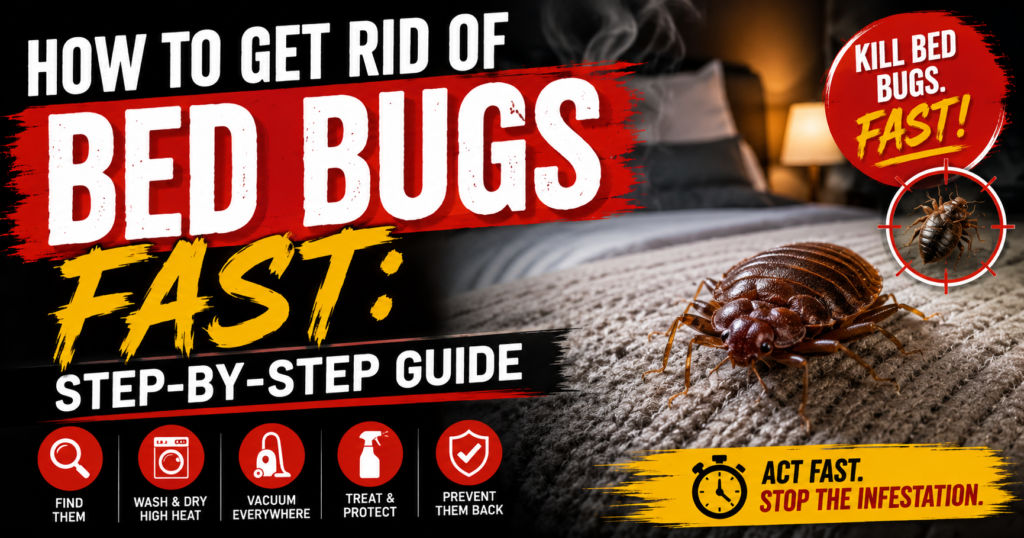
If this were my home, I’d spend thirty minutes inspecting before buying anything. Once the inspection is complete, the next step is following a practical plan such as the one in How to Get Rid of Bed Bugs Fast: Step-by-Step Guide.
I’d document what I found with photos.
I’d note where every sign appeared.
That information would determine my next steps much more accurately than guessing.
Products That Can Help
Once you’ve completed a careful inspection, protecting the bed becomes much easier.
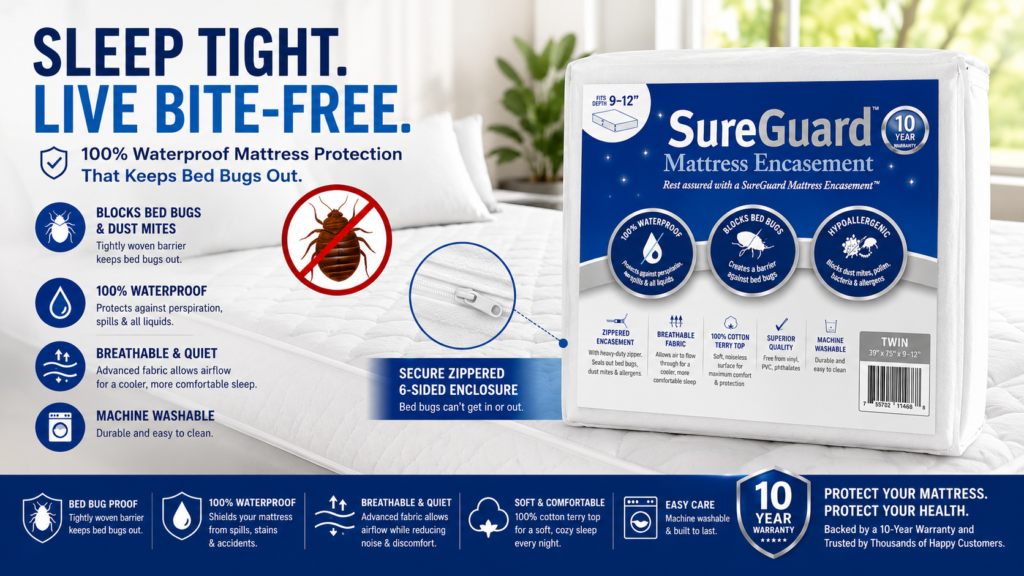

A SureGuard Mattress Encasement can reduce hiding places while making future inspections much simpler. Our review explains whether mattress encasements really work.
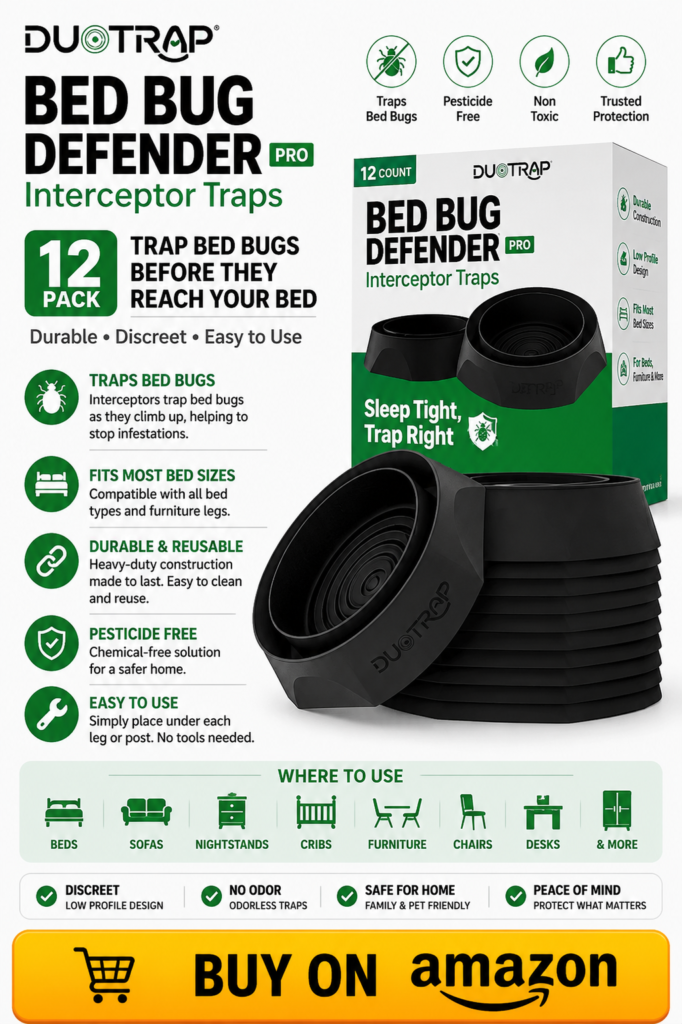
To monitor activity after treatment, many homeowners use bed bug interceptor cups. Our review explains how interceptor cups work.


If treatment is needed, many homeowners also choose Harris Toughest Bed Bug Killer. Our review of Harris Toughest Bed Bug Killer covers realistic expectations and where it fits into an overall treatment plan.
The Biggest Mistake I See
The biggest mistake I see is homeowners rushing to buy products before they understand where the infestation actually is.
A careful inspection almost always saves time, money, and frustration.
The better you understand the problem, the better your chances of solving it quickly.
Frequently Asked Questions
What’s the first place I should check for bed bugs?
Start with the mattress seams, then move to the box spring, bed frame, and headboard.
Can I inspect for bed bugs myself?
Yes. Many early infestations are discovered during careful home inspections.
How long does a bed bug inspection take?
A thorough inspection of one bedroom often takes 20 to 45 minutes, depending on the amount of furniture and clutter.
What if I can’t find any bed bugs?
That doesn’t always mean they’re absent. Continue looking for eggs, shed skins, fecal spots, and other evidence.
Should I inspect other rooms too?
If you find evidence near one bed, expand your inspection to nearby sleeping areas and upholstered furniture.
About the Author
Sarah Bennett researches bed bugs, home pest behavior, and practical inspection methods. She specializes in helping homeowners locate infestations early, understand where bed bugs hide, and solve problems before they become much more difficult to control.