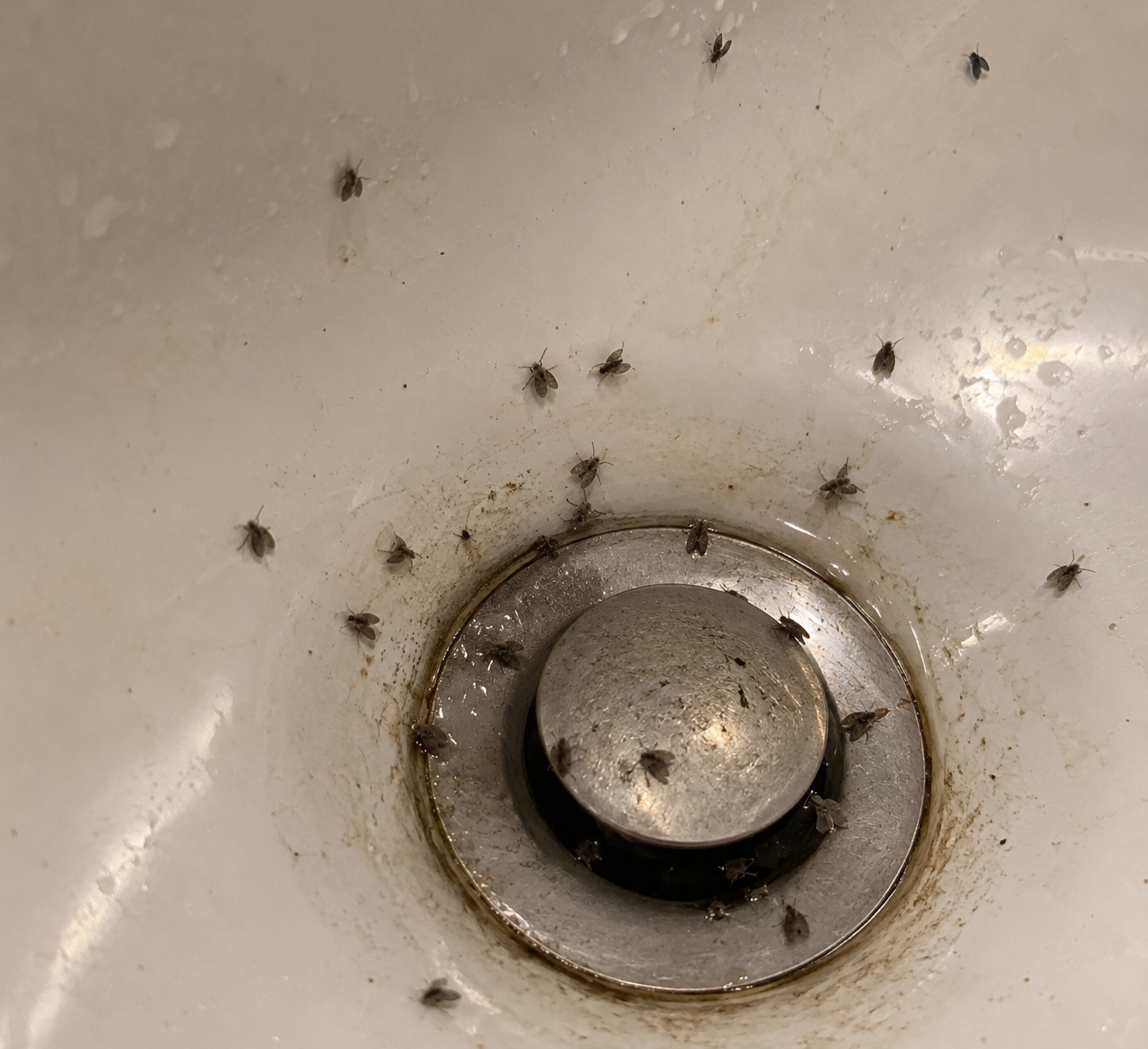
You walk into the bathroom and notice a tiny black fly near the sink. You get rid of it, wipe everything down, and figure that’s the end of it. Then another one appears. And another. Before long, you’re wondering how so many little flies could possibly be coming from a room that you clean regularly.
I’ve been dealing with something similar lately. A sudden invasion of tiny flying insects started showing up around damp areas and drains, and the problem has continued for weeks. I’ve found a spray that knocks the adults down incredibly quickly, but that hasn’t stopped more from appearing days later.
It’s frustrating, especially when you can’t tell where they’re coming from.
Gnats appearing around drains are often drain flies, phorid flies, or occasionally fungus gnats. Certain species can breed in the slimy organic buildup inside plumbing, while others may be coming from wet debris, garbage, or hidden moisture problems nearby. Because the likely source varies by insect, use this guide to work through different gnat breeding sources.
The important thing is figuring out whether the drain is actually producing the flies or whether it’s simply where they’re gathering.
Here’s how to investigate the problem, clean the likely breeding sources, and reduce the adult flies while you work on a longer-lasting solution.
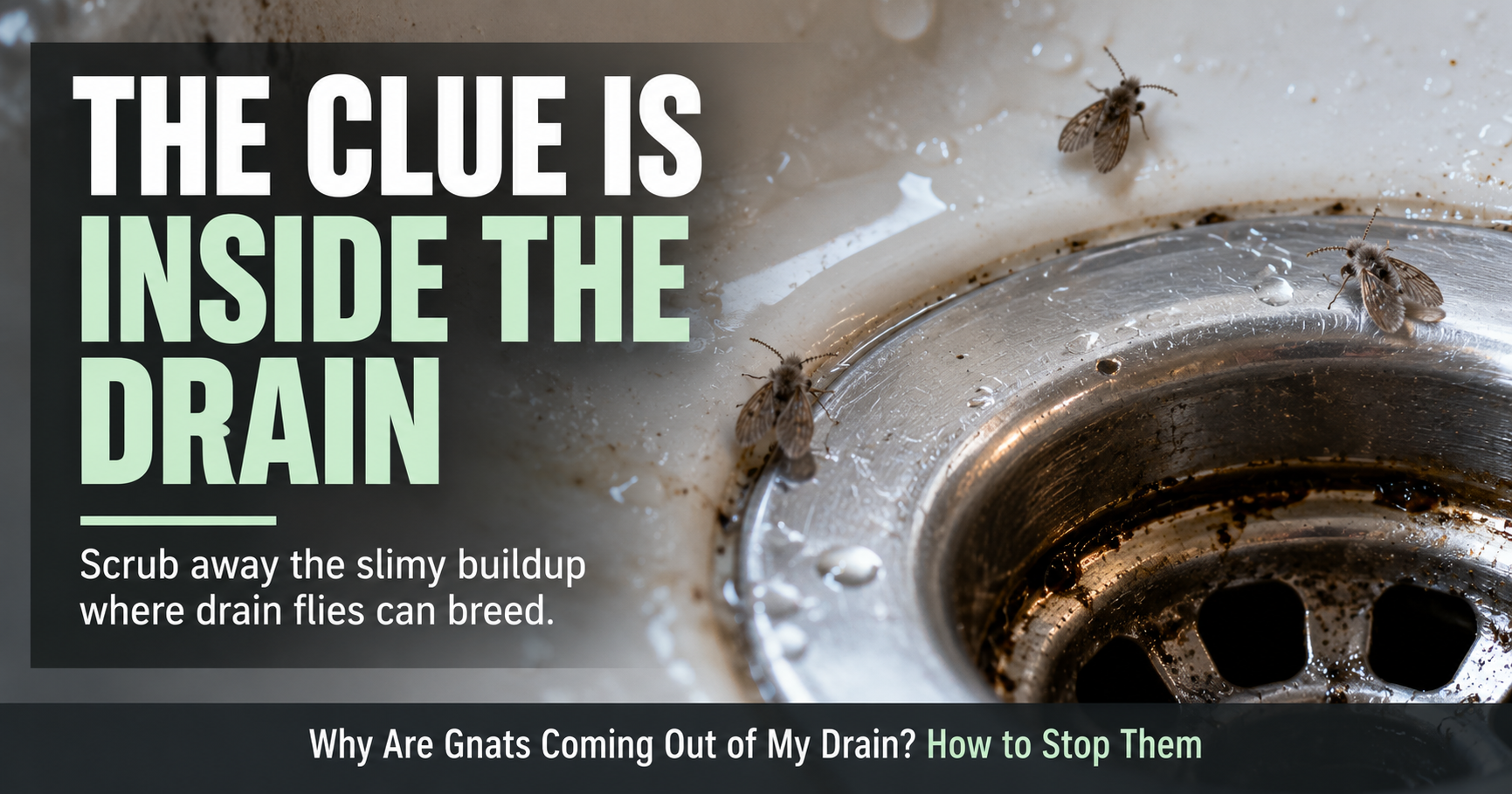
Why Are Gnats Coming Out of My Drain?
The most common explanation is that suitable organic material has accumulated inside the drain or nearby plumbing.
Over time, drains can collect a mixture of soap residue, hair, grease, food particles, bacteria, and other debris. That kind of buildup is one reason bathroom drain buildup can attract small flying insects even when the fixture looks clean.
In certain conditions, this material forms a slimy coating along the inside surfaces of pipes and traps.
Some small fly species can lay eggs in that material.
Their larvae develop while feeding on microorganisms and decaying organic matter.
Eventually, new adults emerge and begin flying around the room.
How Can Bugs Live Inside a Drain?
It seems strange when you think about it.
Water goes down your sink regularly, so you’d assume anything living inside the drain would simply wash away.
But the inside of a drain isn’t always a smooth, clean pipe.
Organic residue can cling to its walls, and sheltered pockets of buildup may remain even after water flows through.
Drain fly larvae are particularly adapted to living in these environments.
They can remain associated with the organic film rather than floating away every time someone washes their hands.
Does This Mean My House Is Dirty?
Not necessarily.
Even a well-maintained house can develop buildup in plumbing that isn’t visible from the sink.
A bathroom sink may look spotless while the drain opening or stopper assembly contains accumulated residue.
The same goes for kitchen sinks and floor drains.
The goal isn’t to blame yourself for having insects.
It’s to find the specific condition allowing them to reproduce.

What Kind of Gnats Come Out of Drains?
Before treating the problem, it’s worth figuring out what you’re seeing.
People use the word “gnat” for several different small flies.
But those insects don’t all breed in the same places, and their control methods aren’t identical.
Drain Flies
Drain flies, also called moth flies, are one of the most familiar insects associated with household drains.
They’re tiny, generally grayish or brownish, and have hairy bodies with broad, fuzzy wings.
When resting on a wall, they can look like miniature moths.
Their larvae commonly develop in the gelatinous film found inside drains and traps.
If you’re finding fuzzy little flies around the sink, shower, or basement floor drain, this is one of the first insects I’d investigate.
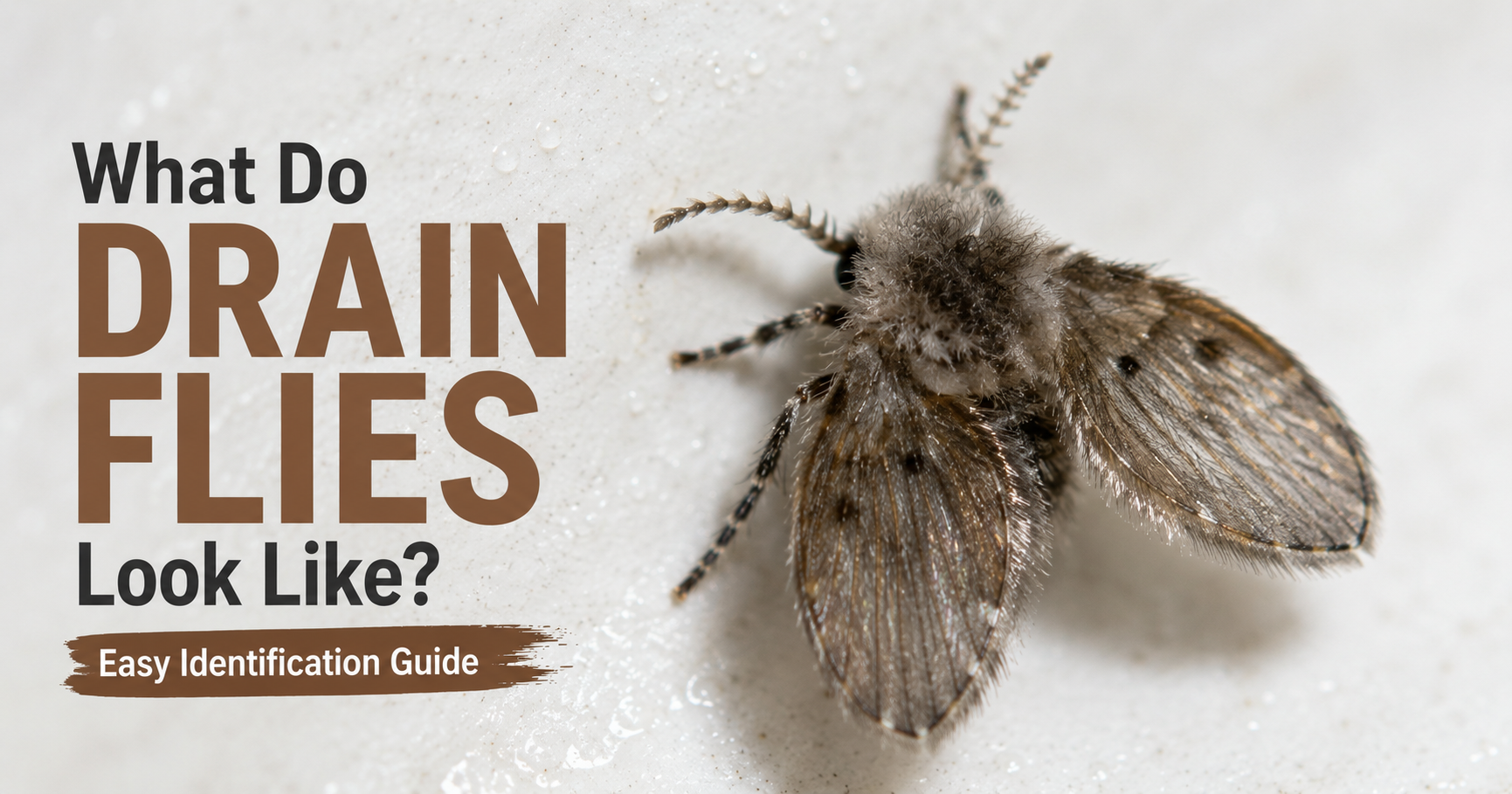
Our guide showing what drain flies look like can help you compare their distinctive wings and body shape.
Phorid Flies
Phorid flies are another possibility.
These little insects are often brown or nearly black, with a noticeably humpbacked body.
They’re also called scuttle flies because they tend to run rapidly across surfaces in short, jerky movements.
Some species develop in moist, decaying organic material associated with garbage, drains, or damaged plumbing.
A particularly frustrating detail is that phorid flies don’t always breed in the drain where you see them.
They may be emerging from another damp location nearby.
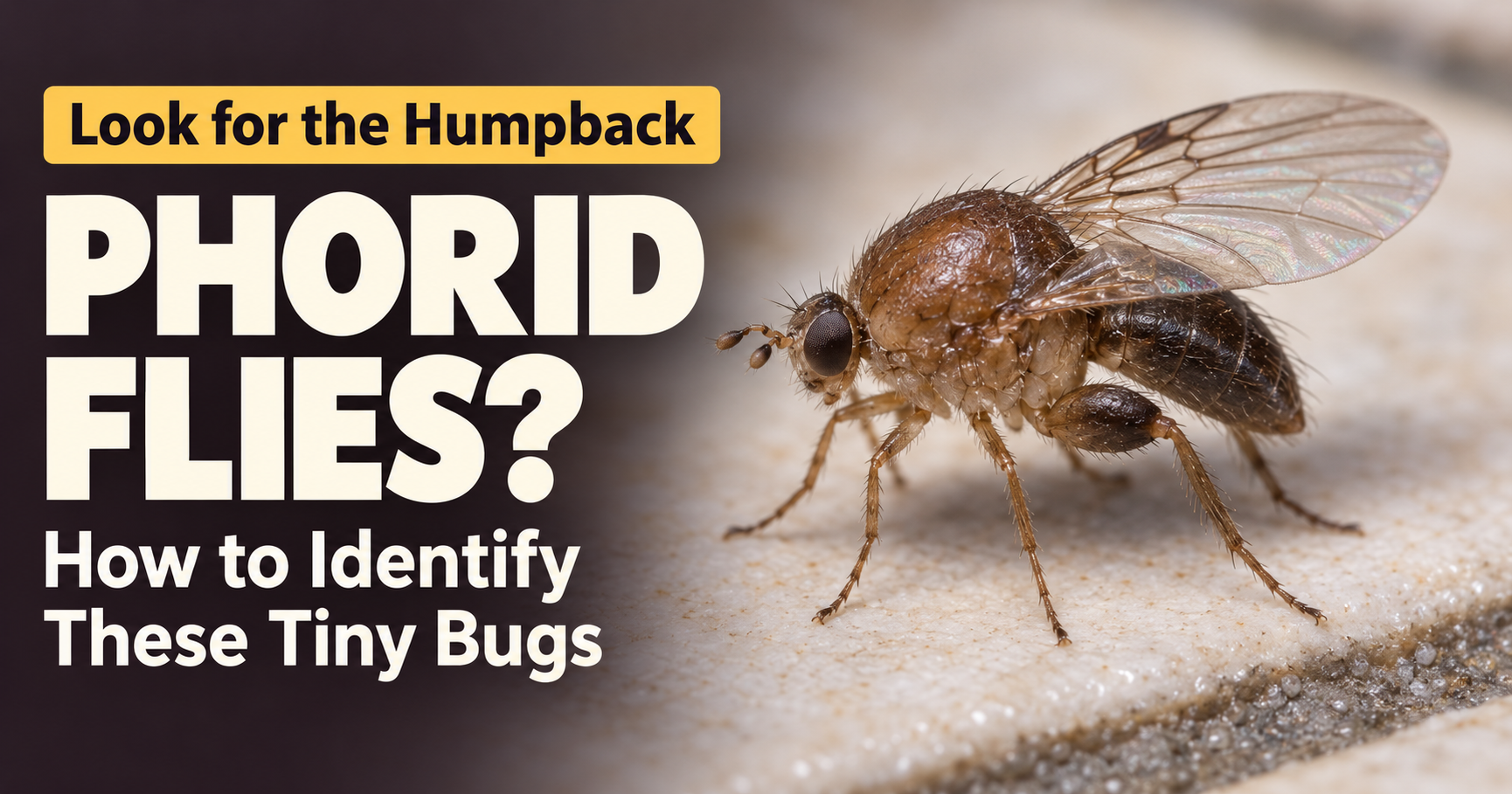
If your flies look more like tiny dark gnats than fuzzy moths, our guide to identifying phorid flies is worth checking.
Fungus Gnats
Fungus gnats are especially common around houseplants.
They have slender bodies, relatively long legs, and long antennae.
Many look like miniature mosquitoes.
Their larvae typically develop in moist potting soil, where they feed largely on fungi and decomposing plant matter.
Some fungus gnats can also develop in suitable organic material associated with drains.
However, if you have potted plants near your bathroom or kitchen, don’t overlook the soil as a possible source.
Fruit Flies
Fruit flies can also appear around kitchen drains.
They’re commonly associated with fermenting fruits, vegetables, sugary liquids, and other decaying organic materials.
A garbage disposal or drain containing fermenting food residue can sometimes support their development.
So even if you’re seeing insects around the sink, they aren’t automatically drain flies.
How to Tell if Gnats Are Actually Coming From Your Drain
This is the step I’d take before pouring anything down the plumbing.
Just because flies are gathering around the sink doesn’t prove they’re breeding inside it.

Adult insects can move around a room and gather near water, light, or food. If those flies end up in a bedroom, why flies gather in bedrooms can help you trace whether light or another nearby condition is drawing them there.
You want evidence connecting them to a specific drain.
Try the Clear Tape Test
One way to investigate a suspected drain is with clear adhesive tape.
When the sink or shower isn’t being used, place a strip of clear tape across part of the drain opening, leaving enough space for airflow.
The sticky surface should face the opening so emerging flies can become trapped.
Don’t completely seal the drain or interfere with normal plumbing use.
Check the tape periodically.
If you repeatedly find tiny flies trapped as they emerge from the opening, that’s stronger evidence that the drain is a breeding source.
This method is recommended in household fly guidance from Texas A&M AgriLife Extension.
Check More Than One Drain
If you have several sinks, showers, or floor drains, don’t assume the nearest one is responsible.
Inspect each possible source.
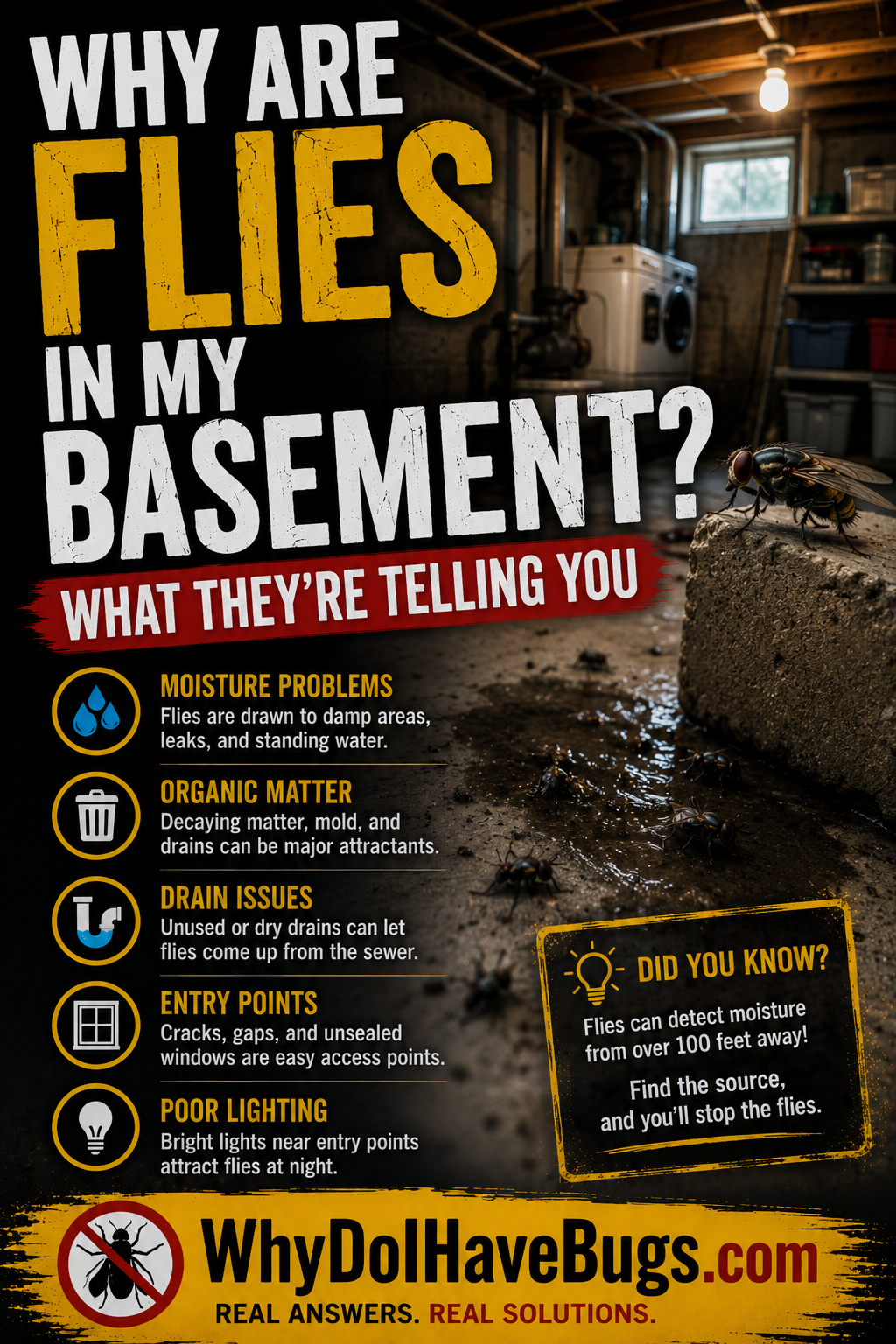
You might discover the problem is coming from a seldom-used floor drain rather than the bathroom sink you clean every day.
Look for Signs of Moisture Nearby
Also inspect the accessible areas beneath sinks and around fixtures.
Check for leaking connections, damp cabinet bottoms, water stains, and accumulated debris.
A fly problem associated with plumbing doesn’t always mean the insects are inside the pipe itself.
How to Get Rid of Gnats Coming From Drains
Once you’ve identified a likely breeding source, the next step is removing the material supporting the larvae.
Cleaning the inside of the drain is usually more important than repeatedly spraying the flies you see.
Here’s the process I’d use.
Step 1: Remove Visible Debris Around the Drain
Start with the simplest part of the job.
Remove accessible hair, food particles, and other debris around the drain opening.
For a bathroom sink, the stopper may have accumulated hair and slimy residue around its mechanism.
If the manufacturer’s instructions permit removing the stopper for cleaning, inspect and clean it carefully.
For a kitchen sink, check the drain opening and accessible components according to the fixture’s instructions.
Never reach into a garbage disposal. Disconnect its power before any maintenance permitted by the manufacturer.
Step 2: Scrub the Organic Buildup
This is the part that makes a real difference.
Drain fly larvae can develop within the slime lining parts of the drain.
Simply running water through the pipe may leave that material attached to the sides.
A suitable drain-cleaning brush can help physically remove buildup from accessible surfaces.
Use a brush appropriate for your plumbing and follow the fixture manufacturer’s instructions.
Avoid forcing a brush into pipes or mechanisms where it could cause damage.
If the buildup is deeper inside inaccessible plumbing, professional cleaning may be necessary.
Step 3: Consider a Suitable Enzyme Drain Cleaner
Some enzymatic or biological drain-cleaning products are designed to break down organic residue.
They may help maintain drains after mechanical cleaning or reduce certain types of buildup when used correctly.
However, not every drain cleaner works the same way.
Choose one compatible with your plumbing and follow the manufacturer’s instructions.
Don’t assume that an enzyme product will automatically eliminate a major infestation or repair a damaged drain line.
Step 4: Clean Nearby Surfaces and Containers
Sometimes the drain isn’t the only breeding source.
Check the trash can, recycling containers, and accessible areas around the sink.
Look for damp food residue, rotting debris, or containers that have been sitting with liquid inside.
Remove the material and clean those areas thoroughly.
This is particularly important if you’re seeing phorid flies or fruit flies.
Step 5: Fix Moisture Problems
If you discover a leak, correct it.
Water collecting beneath a sink or behind a cabinet can create conditions that support decomposing organic material.
Simply drying the visible surface won’t solve a leak that continues every time the faucet runs.
If the problem involves inaccessible plumbing or wastewater contamination, contact a qualified plumber.
Step 6: Monitor for New Flies
Once you’ve cleaned the suspected breeding source, watch the area over the following days.
You may still notice adults that were already present.
The important question is whether new insects continue emerging from the same location.
If they do, you may have overlooked part of the source or be dealing with another breeding site.

What Kills the Adult Gnats While You’re Cleaning?
This is where a product I’ve been using lately has made a noticeable difference.
I’ve been fighting a sudden infestation of tiny flying insects around damp areas for several weeks.
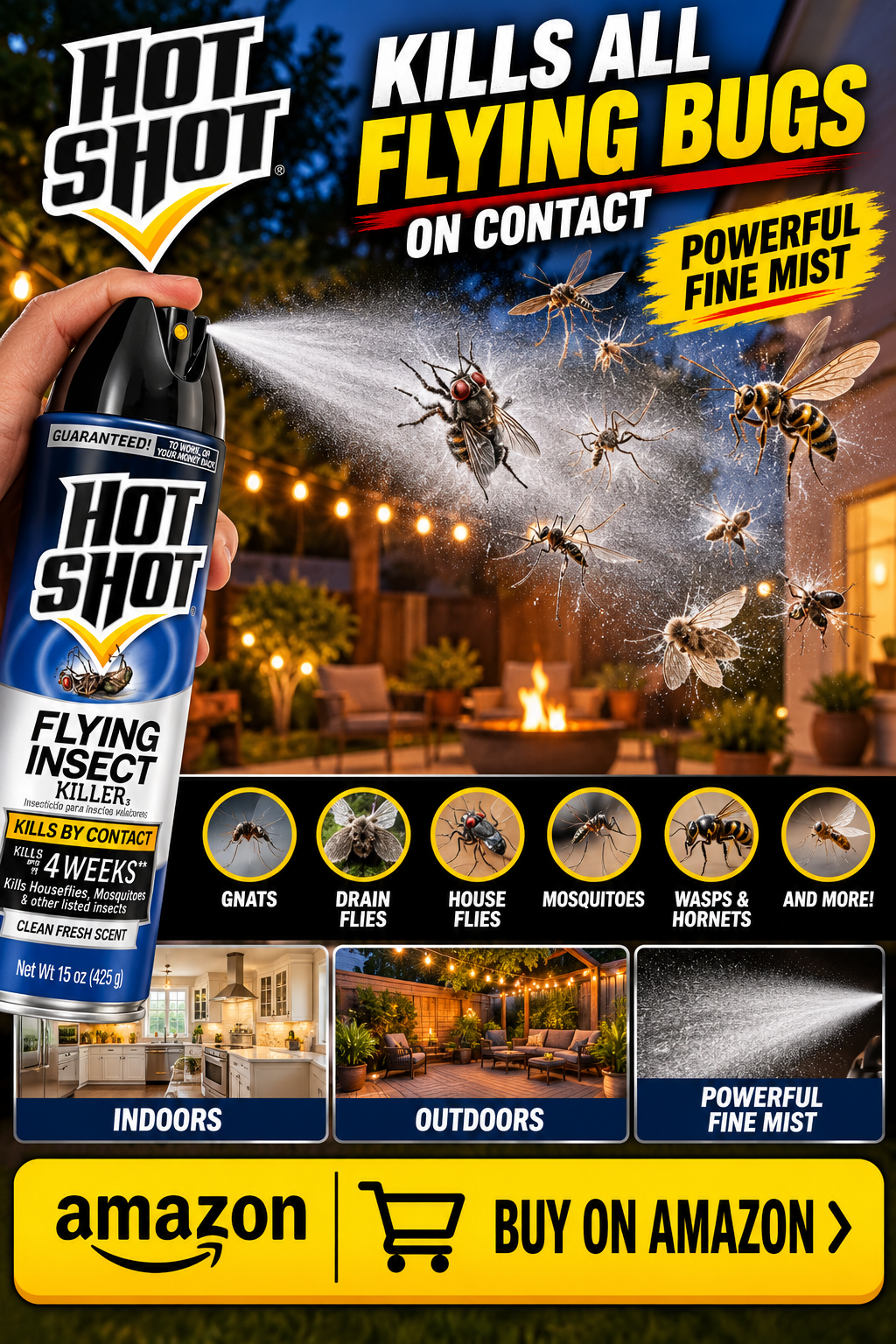
One of the most effective things I’ve found for quickly knocking down the adults is Hot Shot Flying Insect Killer 3, Clean Fresh Scent.
The thing I like most is its fine aerosol mist.
Compared with some sprays that release a narrow stream, this one produces a strong, fine mist that provides broad coverage during a properly directed room treatment.
I’ve watched the little flying insects drop quickly after exposure.
What I’ve Noticed After Using Hot Shot
The immediate knockdown has impressed me.
However, I’ve also noticed that more flies appear days after treatment.
That tells me the spray is helping control visible adults without necessarily removing the source producing them.
I haven’t positively identified the exact species involved in my infestation, so I can’t claim that these results apply equally to every type of drain fly or gnat.
The product is labeled for several flying pests, including gnats, fruit flies, houseflies, and mosquitoes.
If you’re considering it, you can find the exact Hot Shot Flying Insect Killer 15-ounce three-pack I’ve been using on Amazon.
Important Safety Precautions
This is an aerosol insecticide, not an ordinary air freshener.
It produces a mist that you should avoid breathing.
For indoor space spraying, the manufacturer’s label directs users to close doors and windows, apply the mist as instructed, leave immediately, keep the room closed for at least 15 minutes, and ventilate afterward.
Follow the full current label before allowing people or pets back into the treated area.
Food must be covered or removed, and food-contact surfaces and utensils must be protected or washed as directed.
Never spray Hot Shot directly into a sink, shower, drain, or sewer. Its label expressly prohibits those applications.
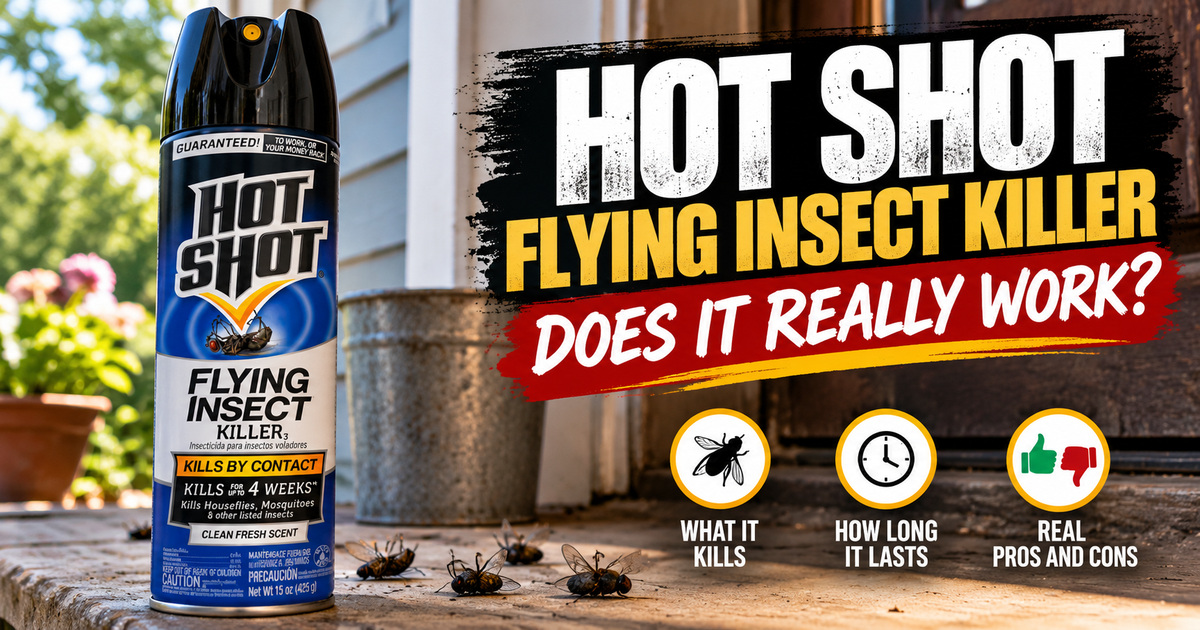
I’ve shared the fine-mist performance, odor, limitations, and real results in my separate Hot Shot Flying Insect Killer review.
For a recurring drain-related infestation, I’d consider adult control a temporary part of the solution while tracking down the breeding source.
Does Bleach Kill Gnats in Drains?
Bleach is one of the first things people think about using.
The problem is that it isn’t a dependable solution for drain fly infestations.
Even if bleach affects some exposed larvae, it may not penetrate and remove the thick organic film where developing insects are protected.
The breeding material can remain in place.
More adults may then emerge.
Why Physical Cleaning Works Better
The real goal is removing the slime and organic buildup supporting the larvae.
That’s why university extension guidance commonly emphasizes scrubbing the drain or using appropriate products designed to remove organic deposits.
Repeated chemical applications without removing the material may accomplish very little.
There’s also a safety issue.
Never mix bleach with ammonia, acids, vinegar, other drain cleaners, or insecticides.
Dangerous gases or reactions can result.
Does Baking Soda and Vinegar Kill Drain Gnats?
This is another popular internet remedy.
You’ll see suggestions to pour baking soda into the drain, follow it with vinegar, and let the mixture fizz.
The bubbling looks impressive.
But that doesn’t mean it’s effectively removing the accumulated organic material where flies may be breeding.
Baking soda and vinegar aren’t dependable treatments for an established drain fly infestation.
If your drain contains thick buildup, mechanical cleaning is usually more useful.
And never add vinegar to a drain that contains bleach or incompatible chemical cleaners.
Will Boiling Water Kill Gnats in the Drain?
Hot water may affect exposed larvae and loosen certain residues, but it doesn’t reliably remove the deeper organic film inside the drain.
Repeatedly pouring boiling water into plumbing also creates burn hazards and may not be appropriate for every fixture or pipe material.
I wouldn’t rely on boiling water as the main solution.
Use plumbing-compatible cleaning methods and address the breeding source instead.


Why Are Gnats Coming Out of My Bathroom Sink?
Bathroom sinks are common places to encounter little flies.
Hair, soap residue, bacteria, and other debris may accumulate in the drain or stopper mechanism.
The buildup can support certain fly larvae.
Check the Sink Overflow Opening
Some bathroom sinks have an overflow opening near the upper inside edge of the basin.
That passage can collect organic residue over time.
If flies repeatedly appear around a sink with an overflow opening, it’s another area worth having inspected and appropriately cleaned.
Don’t blindly pour harsh chemicals into inaccessible passages.
Look Beneath the Vanity
A leak under the sink may keep wood, dust, or other debris damp.
That can create additional breeding opportunities for certain flies.
Inspect accessible areas and address any moisture problems.
Why Are Gnats Coming Out of My Shower Drain?
Shower drains frequently collect hair, soap residue, and other organic material.
If the drain has become slow or contains substantial buildup, certain small flies may find a suitable place to reproduce.
Remove accessible hair and debris, then clean the drain using methods appropriate for the plumbing.
If the shower continues draining slowly, you may need to address a deeper obstruction.
What if the Shower Isn’t Used Often?
Seldom-used drains deserve attention, too.
If a trap dries out, sewer odors may enter the room, and insects may have an opportunity to move through the plumbing system.
Maintaining the water seal in a properly functioning trap is important.
If you smell sewer gas or suspect damaged plumbing, contact a plumber.


Why Are Gnats Coming From the Kitchen Sink?
Kitchen drains can accumulate grease, food residue, and other organic material.
Garbage disposals can also retain debris in accessible areas.
Those conditions may attract certain small fly species.
However, fruit flies and phorid flies can also come from nearby garbage, recycling, or forgotten produce.
If you’re seeing tiny flies around the kitchen sink, don’t ignore the surrounding area.
Check beneath appliances and around containers that may have leaked or collected food residue.
Why Do Gnats Keep Coming Back After Cleaning the Drain?
This is one of the most frustrating parts of dealing with these insects.
You clean the drain and catch the adults, only to see more appear several days later.
There are several explanations.
You Didn’t Remove All the Organic Film
The accessible drain opening may be clean while deeper parts still contain suitable breeding material.
A professional may need to inspect or clean the plumbing if the source can’t be reached safely.
Another Drain Is Producing Them
If you have multiple bathrooms or a basement floor drain, inspect those locations too.
The insects may be traveling away from their actual breeding site.
The Problem Isn’t the Drain
Phorid flies can develop in various forms of moist decaying organic material.
Fungus gnats may come from houseplant soil.
Fruit flies may be associated with fermenting food or residue.
If the insects keep returning after the suspected drain has been thoroughly cleaned, reconsider their identity and where they’re coming from.
There’s a Hidden Plumbing Problem
In some persistent phorid fly infestations, damaged plumbing can allow wastewater to contaminate soil or building materials.
That may create a hidden breeding site.
This isn’t the most reasonable assumption after finding one or two flies.
But a large recurring infestation, particularly with sewage odors, leaks, or unexplained dampness, deserves professional investigation.
How Long Does It Take for Drain Gnats to Go Away?
There isn’t a single guaranteed timeline.
If the breeding source is found and completely removed, adult fly activity should gradually decline.
However, flies that have already emerged may remain for a while.
For common drain flies, development from egg to adult can take roughly one to four weeks depending on conditions.
That means a persistent source can produce repeated waves of adults.
If you continue finding newly emerging flies after cleaning, you may need to investigate another location or additional buildup.
Don’t assume that a room is permanently clear simply because you haven’t seen a fly for one afternoon.
Can Gnats Come From a Clean Drain?
Yes, at least occasionally.
An adult fly can land near a perfectly clean sink.
It might have entered through a window, emerged from a nearby plant, or traveled from another room.
That’s why identifying the insect and confirming the breeding source are important.
If a drain is genuinely free of suitable organic buildup, it becomes a less likely breeding site for typical drain flies.
Repeated emergence from the opening is more meaningful than occasional sightings on the countertop.
How to Prevent Gnats From Returning to Your Drains
Once you’ve eliminated the breeding material, prevention becomes much easier.
Keep accessible drain components clean.
Remove accumulated hair and debris before it forms thick deposits.
Use plumbing-compatible drain maintenance methods when appropriate.
Repair leaks instead of allowing moisture to accumulate beneath fixtures.
Clean trash containers and nearby areas where organic waste may collect.
If you have a recurring problem with a particular drain, inspect it periodically rather than waiting until the flies become overwhelming again.

Most importantly, remember that an effective long-term solution prevents new flies from developing instead of only killing the adults already flying around the room. Once the breeding source is addressed, this indoor fly trap comparison can help you choose between two ways to catch the remaining adults.
Frequently Asked Questions
Why are tiny gnats coming out of my sink drain?
Certain small flies can develop in moist organic buildup inside drains. Drain flies are a common example, although phorid flies and some other small flies may also be involved.
What kills gnats in drains?

Removing the organic breeding material is usually the most important step. Mechanical cleaning and appropriate drain maintenance products can help eliminate the conditions supporting larvae. After addressing the source, this review explains the practical role of using fly strips for adult flies in catching remaining adults.
Does bleach get rid of drain gnats?
Bleach isn’t a dependable way to remove the organic film where drain fly larvae develop. Physical cleaning is generally more effective for eliminating that breeding source.
Can you spray bug killer down a drain?
Don’t apply insecticides into drains unless the specific product label expressly permits that use. Hot Shot Flying Insect Killer 3 prohibits applications directly into drains and sewers.
Do gnats come from bathroom sink overflows?
Certain flies may develop in organic residue associated with accessible sink overflow passages. Proper inspection and cleaning may be necessary when buildup is present.
How do you know if gnats are breeding in your drain?
A partially covered clear-tape test can help capture insects emerging from a suspected drain. Repeated emergence is stronger evidence than simply seeing adults nearby.
Why do gnats keep appearing after I spray them?

Adult insecticides don’t necessarily reach eggs and larvae in hidden breeding material. More adults may emerge while that source remains active. For a broader look at why that cycle continues around homes, see hidden breeding material.
Can fungus gnats come out of drains?
Some fungus gnats can be associated with suitable moist organic material in drains, although their most familiar breeding sites are damp houseplant potting mixes.
Are drain gnats dangerous?
Common drain flies are primarily nuisance pests. However, their presence can indicate unsanitary organic buildup or moisture problems that should be corrected.
Will apple cider vinegar traps catch drain gnats?
Vinegar traps may catch certain fruit flies, but they aren’t a dependable solution for every small fly associated with drains. Identifying the insect and removing its breeding source are more important.
Should I call a plumber for drain gnats?
Consider a plumber if you suspect damaged drainage pipes, sewage leakage, persistent blockages, or an inaccessible breeding source associated with plumbing.
Can I use Hot Shot Flying Insect Killer for gnats?
The product is labeled for gnats as an indoor space spray. Follow its directions for room treatment, leaving immediately, ventilation, and food protection. It shouldn’t be used directly inside drains.
About the Author: The team at Why Do I Have Bugs combines firsthand household pest experiences with researched identification and control guidance. Our goal is to help homeowners find out what’s attracting unwanted insects and choose solutions that address the real problem.