

If you have ever stepped outside on a hot summer afternoon and heard a loud, steady buzz coming from every tree around you, you have heard cicadas calling. One cicada can be noticeable. Hundreds calling together can make the whole yard sound electric. If you want to match that familiar sound to the insect itself, use these visual cicada identification clues.
That noise is not a warning, a threat, or a sign the cicadas are attacking your trees. It is mainly a mating call. The louder the males call, the better their chance of attracting a female before their short adult life ends.
Why Are Cicadas So Loud?
Male cicadas are loud because they are calling for females. They make their sound with special structures on the sides of their abdomen called tymbals.
A tymbal is a stiff, ribbed membrane. The male cicada flexes muscles that pull the membrane in and out rapidly, creating a sharp clicking sound. Its hollow abdomen amplifies those clicks into the loud buzz, whine, rattle, or pulsing call people hear from the trees.
Female cicadas do not make the same loud mating call. Instead, they respond to males with small wing-flicking sounds.



How Loud Can Cicadas Get?
A large group of cicadas can be loud enough to make conversation difficult outdoors. Some species can produce calls approaching the volume of a lawn mower, motorcycle, or other loud everyday equipment when heard nearby.
The sound seems even louder because cicadas often call from high in the canopy. You hear them from several directions at once, and it can be hard to tell where one individual is sitting.
The noise is annoying for some people, but it is not dangerous to your hearing during normal outdoor exposure. If you are standing directly beneath a massive group calling for a long period, simply moving indoors or farther away gives your ears a break.



Why Do Cicadas Get Louder in Hot Weather?
Cicadas are cold-blooded insects, so warm temperatures make their muscles work faster. When the day heats up, males can call more often and with more energy.
That is why cicada noise often builds through late morning, becomes loudest on hot sunny afternoons, and slows down as the evening cools.
Some species have very specific calling schedules. You may hear one kind buzzing in the heat of the day and another making a different call closer to dusk.
Why Are Cicadas So Loud at Night?
Many annual cicadas quiet down after dark, but some species continue calling into the evening or at night, especially during warm humid weather.
Outdoor lights can also confuse cicadas. A bright porch light, security light, or streetlight may make an area feel less like nighttime, so a cicada may stay active and keep calling longer than expected.
If the sound is mostly coming from one tree near the house, turning off nearby outdoor lights may help. It will not stop every cicada in the area, but it can make the immediate space a little less active.



Why Are Cicadas Loud Only in Some Years?
You hear annual cicadas every summer because different groups emerge on overlapping schedules. Their numbers vary from year to year based on weather, local tree cover, and how many nymphs have been developing underground.
Periodical cicadas create the truly unforgettable loud years. They emerge together in huge numbers on a 13-year or 17-year cycle, depending on the species and brood. When a periodical brood emerges nearby, the daytime sound can be constant for weeks.
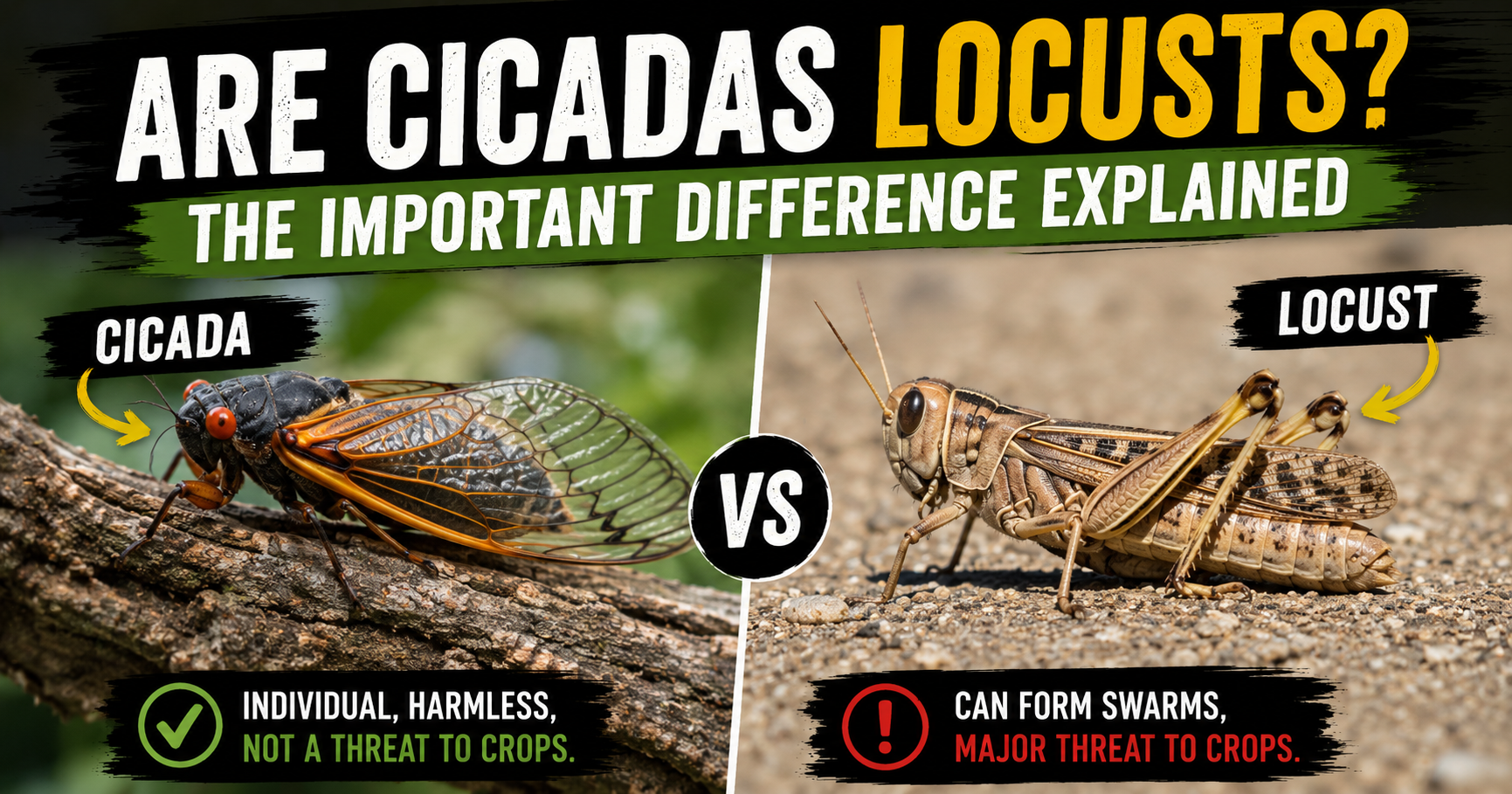
Cicadas are often wrongly called locusts during these large emergences. They are not the same insect, though. This cicada versus locust guide explains why the nickname stuck and why it is technically incorrect.
Why Do Cicadas Sound Like They Are Screaming?
Their calls are made to carry over long distances through trees. A male needs a female to hear him over competing males, wind, traffic, birds, and other outdoor noise.
Different cicada species make different calls. Some sound like a high-pitched electric buzz, while others make clicking, rattling, whining, or pulsing sounds that can almost seem like a scream.
The exact sound is one of the best ways to tell cicada species apart. People who live in the same place year after year often notice that the summer chorus changes as different cicadas emerge.



Why Do Cicadas Suddenly Stop Making Noise?
Cicadas may suddenly go quiet for several reasons.
- A cloud covered the sun or the temperature dropped.
- A predator, person, vehicle, or sudden movement disturbed them.
- The loudest males moved to another part of the tree line.
- Evening arrived and that species mostly calls during daylight.
- Rain, strong wind, or a storm moved through.
A whole group can stop at once when a loud disturbance happens nearby. After a few minutes of calm, the chorus often starts right back up.
Do Loud Cicadas Mean There Are More Cicadas?
Usually, yes. The more male cicadas calling together, the louder and fuller the sound becomes.
But one cicada sitting close to a window can also sound much louder than a whole group farther away. If the sound seems unusually intense in one room, check the tree, shrub, or siding nearest that window.
Cicadas do not infest the home simply because they are loud outside. They are outdoor insects that gather around trees, where they mate and lay eggs.
How Long Will the Cicada Noise Last?

Most adult cicadas are active above ground for only a few weeks. A particular species may call for a short stretch, then fade away as adults die off. That brief chorus is just one part of the cicada adult stage, which begins years before the insects reach the trees.
Annual cicada noise can continue through much of summer because different species appear at different times. A heavy periodical emergence is usually most noticeable for several weeks, then ends abruptly once the adults complete their life cycle.
The noise can feel endless while it is happening, but it is temporary.
Can You Make Cicadas Quieter?
There is no good reason to spray cicadas just because they are loud. Sprays are not practical for a large outdoor area, and they can harm beneficial insects that share the yard.
For the noise around your house, I would focus on small practical changes instead.
- Close windows facing the loudest trees.
- Run a fan, white-noise machine, or air conditioner at night.
- Turn off bright outdoor lights that may keep nearby cicadas active.
- Use earplugs if the noise affects sleep.
- Wait it out, because the adults do not last long.
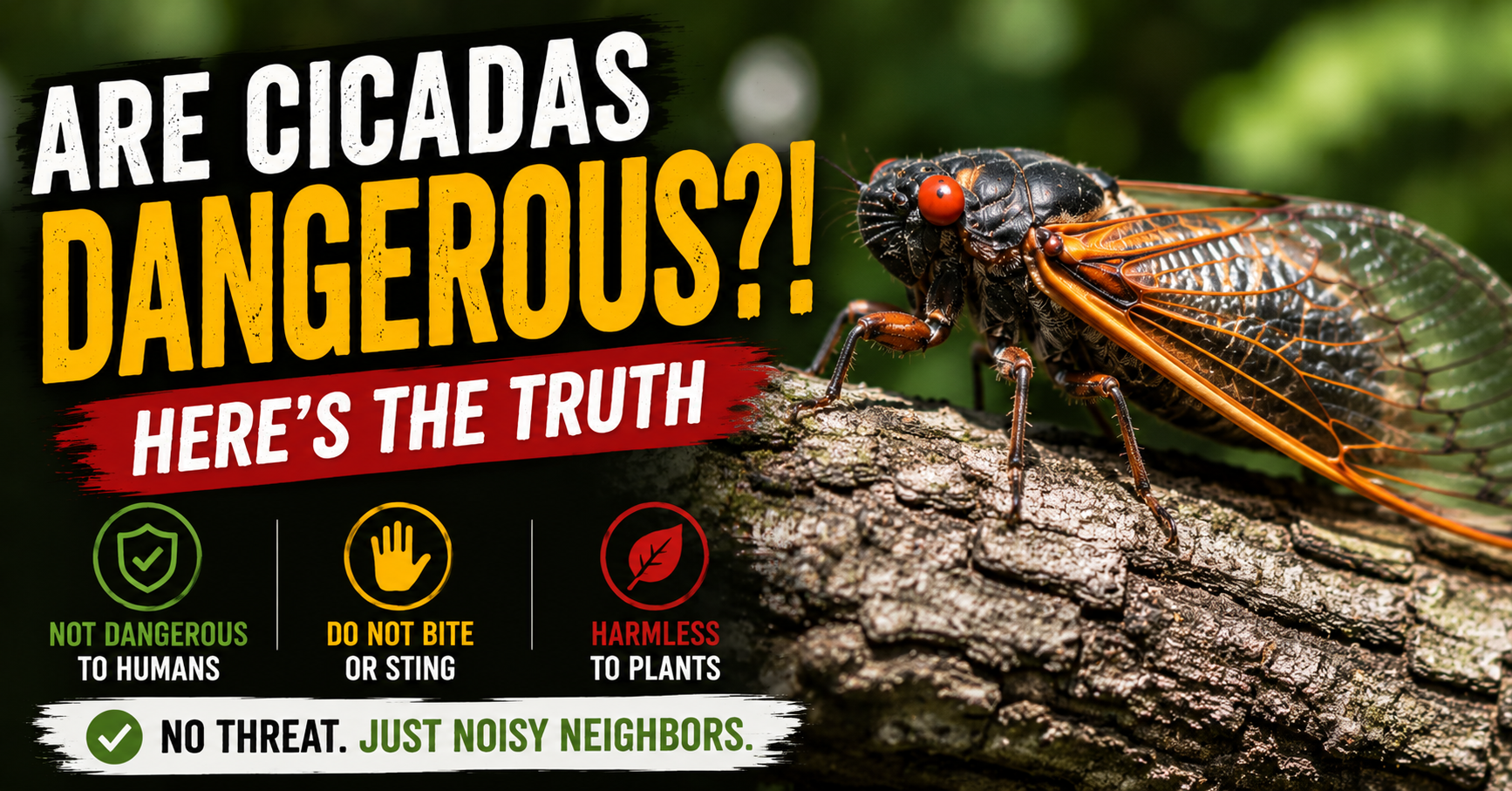
Cicadas are not dangerous, even when they are loud. They do not sting, infest homes, or attack people. If their sudden flight or size makes you nervous, this guide on whether cicadas are dangerous explains the small real concerns and what is mostly harmless.


Frequently Asked Questions
Why are cicadas louder during the day?
Warm sunshine helps cicadas call more actively. Most species are loudest on hot days because their muscles work faster at higher temperatures.
Do female cicadas make noise?
Female cicadas do not make the loud calls males use to attract mates. They can make softer wing-flicking sounds in response to a male.
Can cicadas hear each other?
Yes. Cicadas have hearing organs on their abdomen that help them hear and respond to other cicadas.
Why are cicadas louder before rain?
Warm, humid weather can increase cicada activity, and that weather sometimes arrives before rain. The cicadas are not predicting rain, but they may be more active under the same conditions that lead to it.
Why do cicadas stop all at once?
A sudden disturbance, change in sunlight, cooler air, wind, or a nearby predator can make a group go quiet at the same time.
Are cicadas louder than crickets?
Usually, yes. Cicadas are among the loudest insects in North America, especially when many males call together from the trees.
Caleb Warren is a longtime gardener and backyard insect researcher who writes practical pest guides for WhyDoIHaveBugs.com, helping homeowners identify insects accurately before choosing a treatment.