Finding a large, dark cockroach inside your home can be alarming.
One of the first questions I ask is whether it’s actually an American cockroach or an Oriental cockroach.
Those two species get confused all the time.
While they’re both larger than German cockroaches, they have several differences that become obvious once you know what to look for.
Whenever I’m identifying a cockroach, I never rely on color alone.
Instead, I compare its size, body shape, wings, and where I found it.
Putting all those clues together usually leads me to the correct answer.
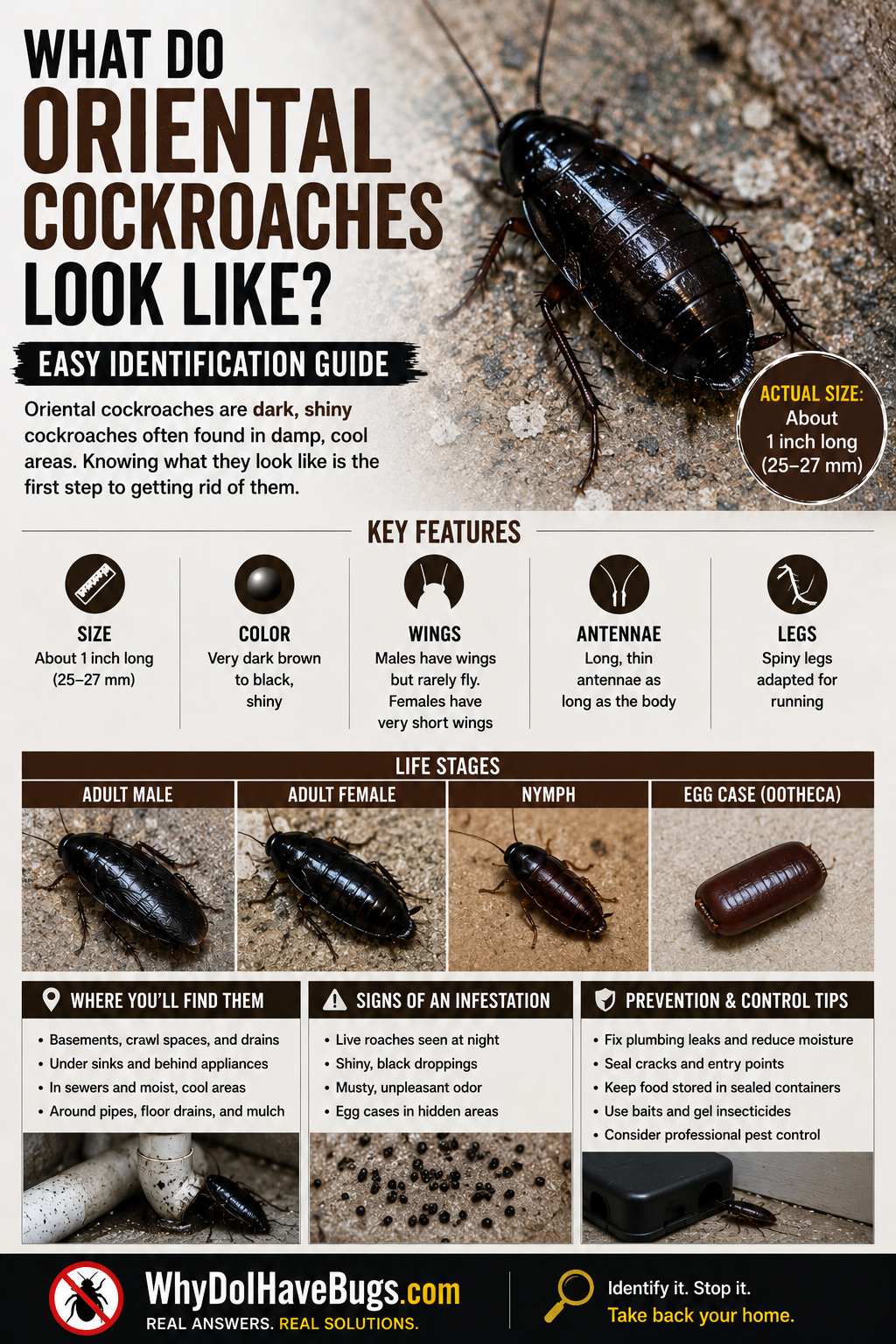
Their Dark Color Is the First Thing I Notice
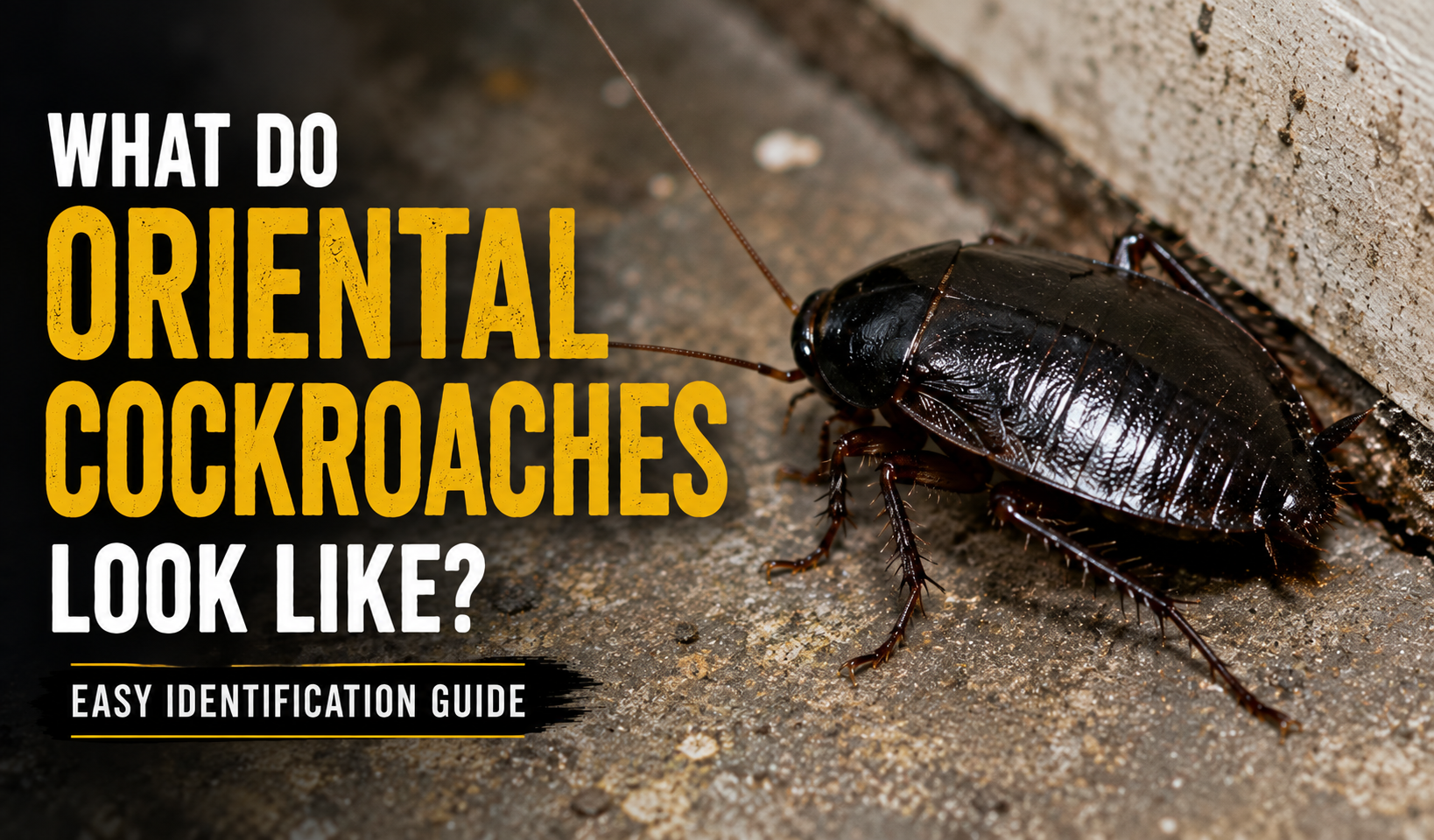
The first thing that stands out to me is their color.
Most Oriental cockroaches are:
- Very dark brown.
- Almost black.
- Glossy.
- Uniform in color.
Unlike American cockroaches, they don’t have the reddish-brown appearance that many homeowners expect.
If the cockroach looks almost black, Oriental cockroach immediately becomes one of my top suspects.



They’re Thick and Heavy Looking
Oriental cockroaches have a broad, stocky body.
Compared to German cockroaches, they look much heavier.
Compared to American cockroaches, they usually appear shorter and wider.
Whenever I see one crawling across a basement floor, it has a much more solid appearance than the slimmer species I often find in kitchens.



Their Wings Are Much Less Noticeable
This is one of my favorite identification features.
Adult male Oriental cockroaches have short wings that cover only part of the abdomen.
Adult females have even smaller wing pads and cannot fly.
That’s very different from American cockroaches, whose wings extend nearly the full length of the body.
Whenever I notice a large dark cockroach with very short wings, my confidence in identifying it as an Oriental cockroach increases.
They Usually Stay Low to the Ground
Another thing I’ve noticed over the years is where they spend their time.
Oriental cockroaches don’t often climb walls or cabinets like German cockroaches.
Instead, I usually find them moving across:
- Basement floors.
- Garage floors.
- Crawl spaces.
- Around floor drains.
- Utility rooms.
- Damp concrete.
- Foundation walls.
That behavior isn’t enough to identify them by itself, but it certainly supports the other clues.


Where I Usually Find Oriental Cockroaches
Location helps narrow things down even more.
The first places I inspect include:
- Basements.
- Crawl spaces.
- Floor drains.
- Sump pump pits.
- Utility rooms.
- Garages.
- Around leaking pipes.
- Foundation walls.

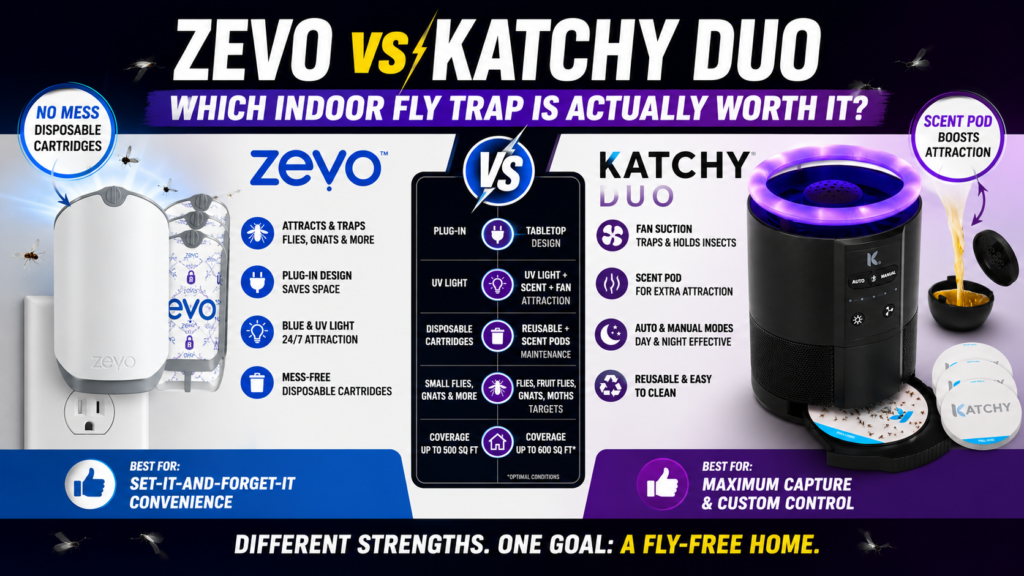
Whenever someone tells me they’re finding large black cockroaches in a damp basement, Oriental cockroaches immediately move near the top of my list. The same damp conditions can matter when flies appear, and damp basement insect clues offers a practical way to interpret those basement clues.
Oriental Cockroaches vs. American Cockroaches
This is probably the comparison I make most often because these two species are commonly called “water bugs.”
At first glance, they can seem very similar.
Once I look a little closer, the differences become much easier to spot.
Oriental cockroaches usually:
- Are dark brown to almost black.
- Have a broad, stocky body.
- Have very short wings or wing pads.
- Prefer damp, cool environments.
- Rarely fly.
American cockroaches usually:
- Are reddish brown.
- Grow noticeably larger.
- Have long, fully developed wings.
- Commonly enter from outdoors or sewer systems.
- Can glide or make short flights.
If I find a shiny black cockroach slowly moving across a damp basement floor, Oriental cockroach is usually my first thought.
If the cockroach is much larger and reddish brown with long wings, I begin thinking American cockroach instead.
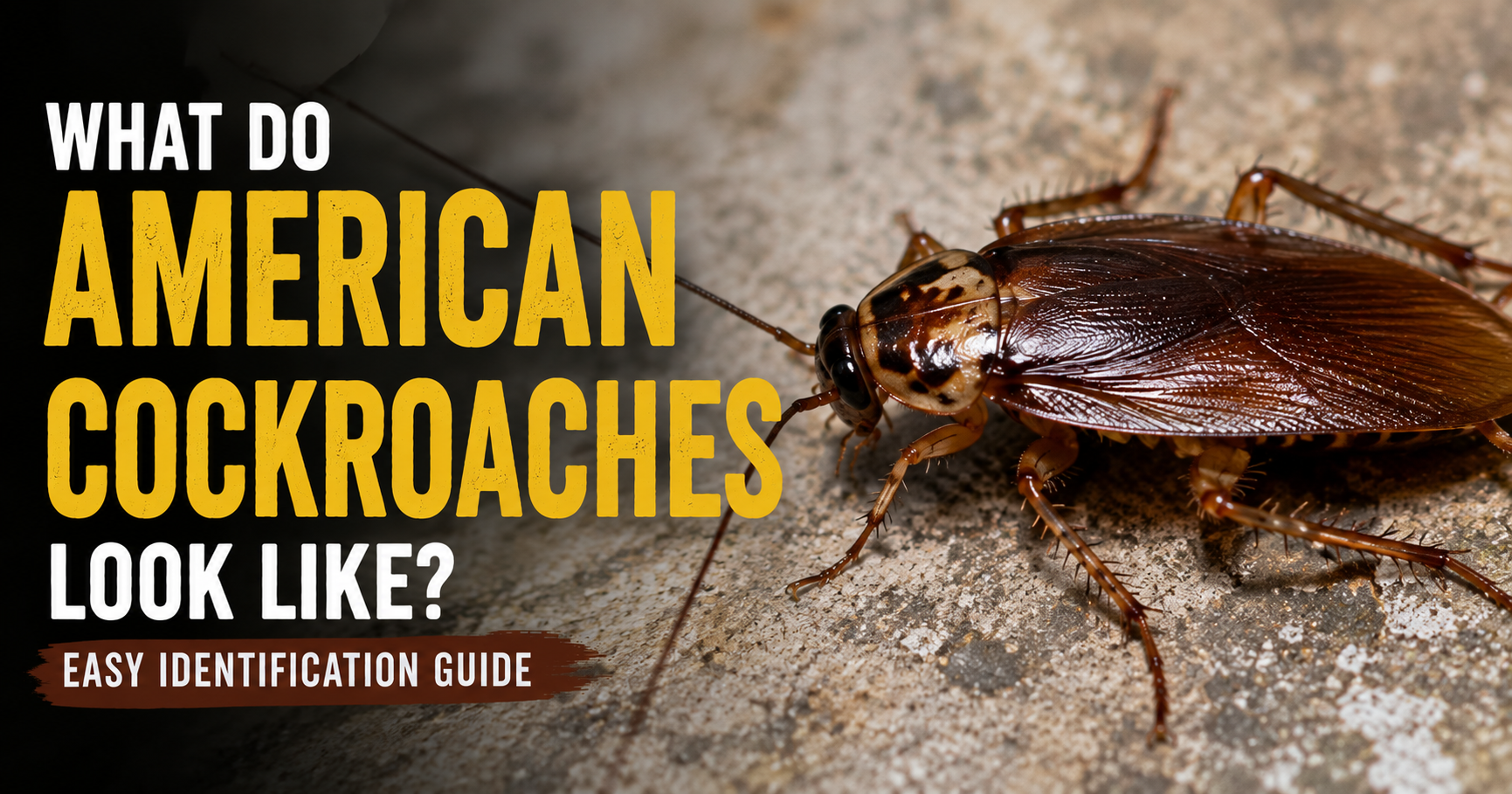
If you’re unsure which species you’ve found, my What Do American Cockroaches Look Like? Easy Identification Guide explains the features I use to tell them apart.
Oriental Cockroaches vs. German Cockroaches
These two are much easier to distinguish.
German cockroaches are much smaller and lighter in color.
They’re usually found in kitchens, bathrooms, and inside cabinets where food and moisture are plentiful.

Oriental cockroaches, on the other hand, are darker, heavier, and much more likely to be found in basements, crawl spaces, garages, and around drains. A lighter cockroach found near firewood, mulch, or exterior lights may be a wood cockroach instead, and lighter outdoor cockroach features explains the features that separate it from darker indoor species.
Whenever I see a small tan cockroach behind a refrigerator, German cockroach is my first suspect.
Whenever I find a large black cockroach near a basement drain, Oriental cockroach quickly moves to the top of my list.
Many People Simply Call Them Water Bugs
One thing I’ve learned is that homeowners often describe Oriental cockroaches as “water bugs.”
While true water bugs are actually a completely different type of aquatic insect, the nickname has become very common for large, dark cockroaches.
That’s why I never identify an insect based on the name someone gives it.
I always look at the insect itself, its markings, and where it was found before deciding what species I’m dealing with.


They Thrive in Damp Areas
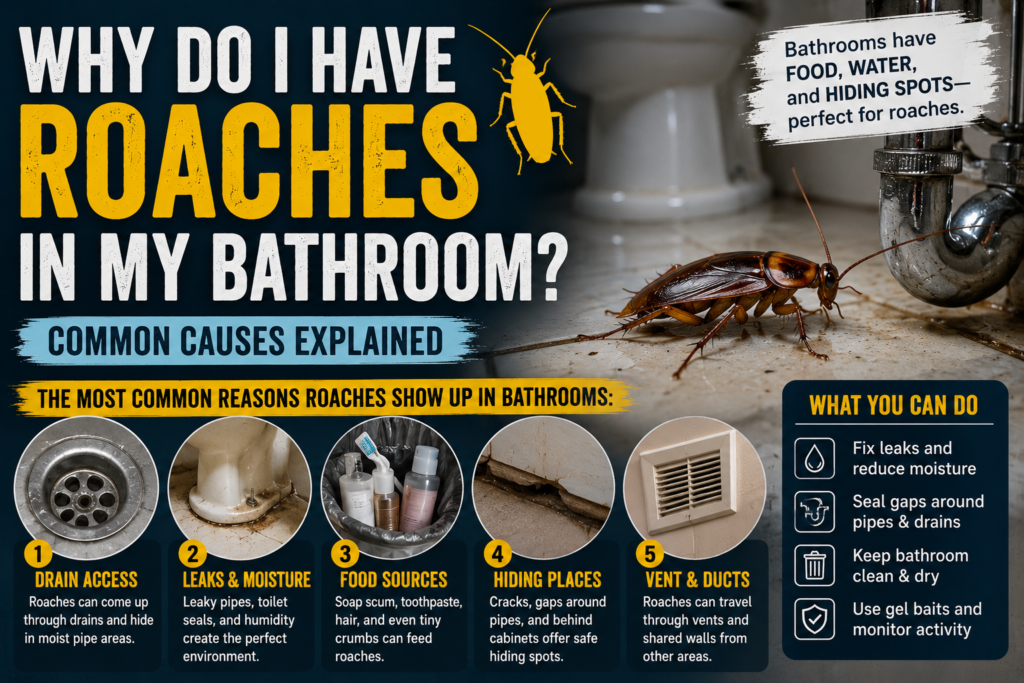
Whenever I encounter Oriental cockroaches, moisture is usually part of the story.
They’re attracted to cool, damp environments where they can easily find water.
That’s why I often inspect places like:
- Floor drains.
- Sump pump pits.
- Crawl spaces.
- Water meter rooms.
- Leaking plumbing.
- Basement utility areas.
If those areas stay damp for long periods, they become much more attractive to Oriental cockroaches than dry living spaces.
Don’t Judge Them by Color Alone
A dark cockroach isn’t automatically an Oriental cockroach.
Lighting can make reddish-brown cockroaches appear darker than they really are.
Instead of relying on color by itself, I combine several clues.
I look at:
- Body size.
- Overall color.
- Wing length.
- Body shape.
- Where I found it.
- Whether the area is damp or dry.
Using all of those characteristics together gives me a much more accurate identification.


Here’s How I Identify Oriental Cockroaches
If I walked into my basement tonight and spotted a large dark cockroach near a floor drain, I’d first look at the color.
Next, I’d examine the wings.
If they’re very short or barely noticeable, that’s a strong clue.
Then I’d consider where I found it.
Cool, damp locations are exactly where I expect Oriental cockroaches to spend their time.
Finally, I’d inspect the surrounding area for moisture problems because fixing those conditions is often just as important as dealing with the insects themselves.
If you’ve confirmed you’re dealing with Oriental cockroaches, the next article I’d recommend is Why Do I Have Oriental Cockroaches? where I’ll explain the most common reasons they enter homes, the moisture problems that attract them, and the first places I inspect during an infestation.
You can also browse our growing Cockroaches category for more identification guides, prevention tips, product reviews, and practical advice covering the most common cockroach species homeowners encounter.
Frequently Asked Questions
How big are Oriental cockroaches?
Adult Oriental cockroaches usually measure about 1 to 1¼ inches long, making them larger than German cockroaches but generally smaller than American cockroaches.
What color are Oriental cockroaches?
Most Oriental cockroaches are very dark brown or nearly black with a glossy appearance.
Can Oriental cockroaches fly?
No. Females cannot fly because they have only small wing pads, and although males have short wings, they generally do not fly.
How can I tell an Oriental cockroach from an American cockroach?

Oriental cockroaches are darker, stockier, and have much shorter wings. American cockroaches are larger, reddish brown, and have fully developed wings that extend nearly the length of the body. A side-by-side resource to identify different cockroach species can make these differences easier to verify.
Why is identifying Oriental cockroaches important?
Oriental cockroaches are strongly associated with damp environments like basements, crawl spaces, and drains. Identifying the species correctly helps you focus on the moisture issues and entry points that are often contributing to the problem.
About the Author
Mark Sullivan has spent years helping homeowners identify and solve pest problems in homes, garages, crawl spaces, and basements. He believes careful identification is the foundation of effective pest control because understanding the species often reveals why it’s there in the first place.