
Horse flies are one of those insects that people usually remember after getting bitten.
They’re much larger than the average house fly, they’re incredibly fast, and they seem almost fearless when they’re looking for a meal.
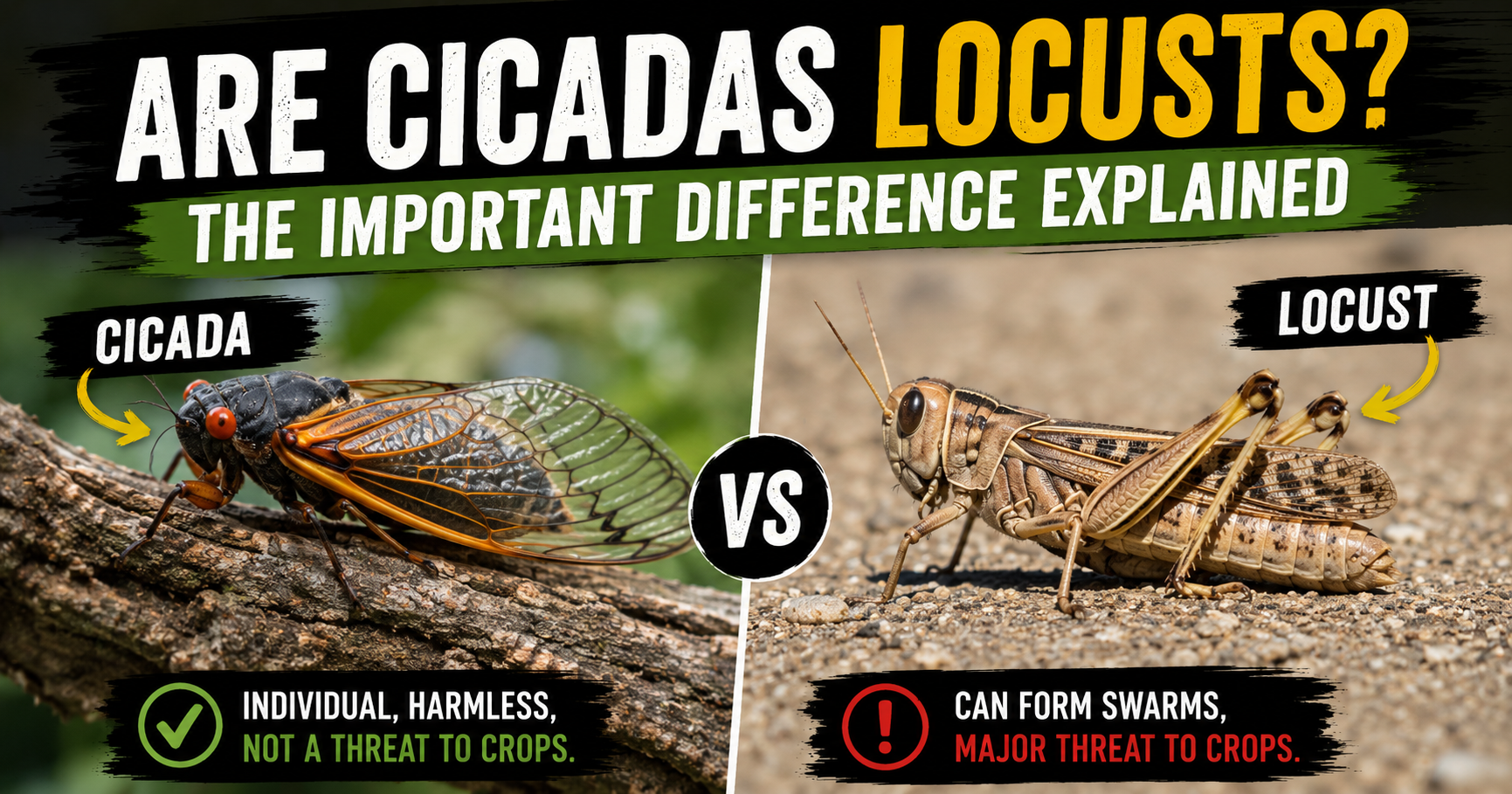
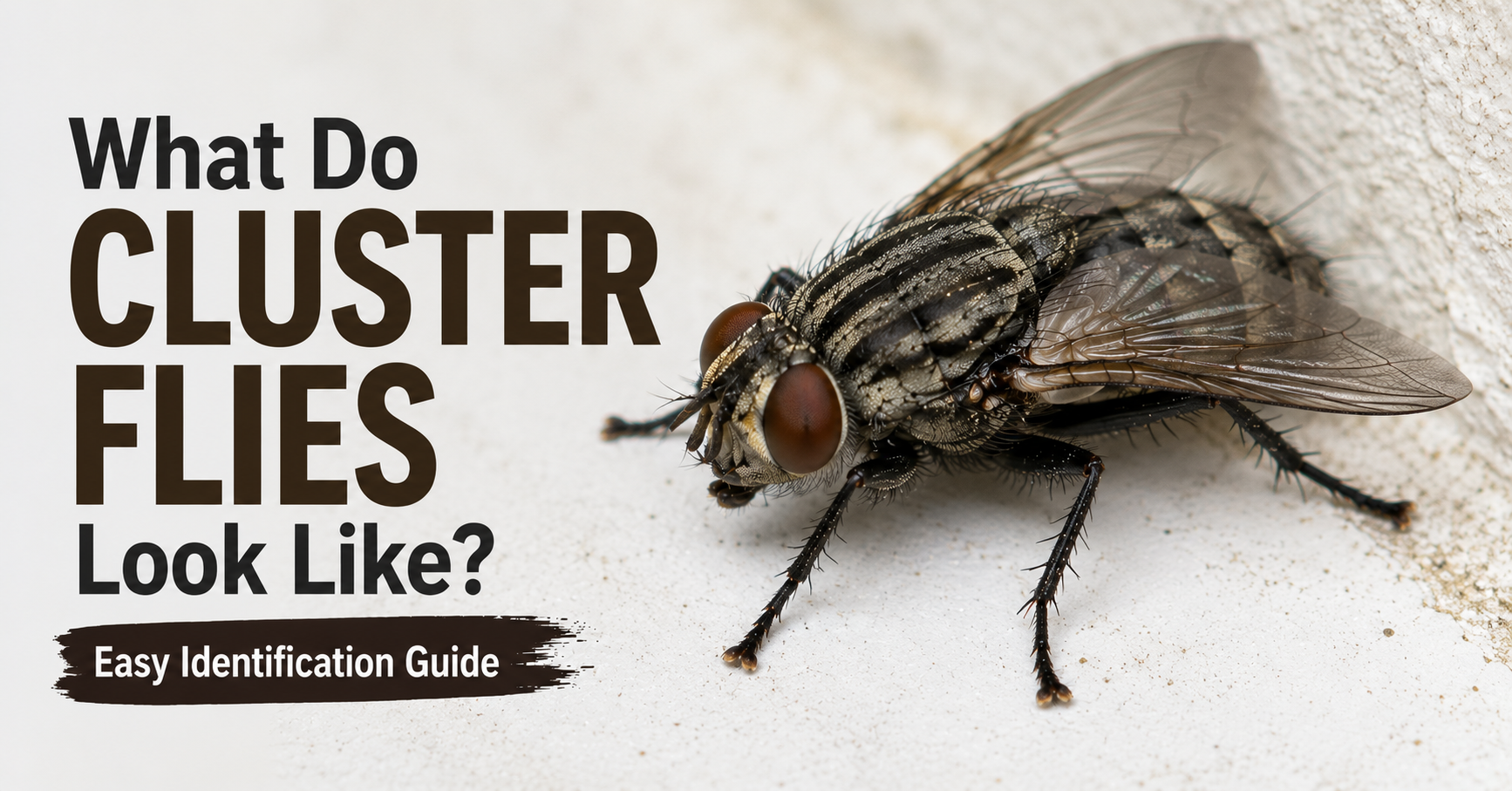
I’ve heard people call every large fly a horse fly, but that’s not always accurate. A large fly without the heavy, aggressive appearance of a horse fly may be a crane fly, and this guide helps you tell large flies apart.
Blow flies, deer flies, and even some robber flies are commonly mistaken for horse flies.
That’s why I never rely on size alone.
I look at several features together before deciding what I’m dealing with.

The Size Is the First Thing I Notice
The easiest clue is simply how big the fly is.
Most horse flies measure somewhere between 1/2 inch and over 1 inch long, making them much larger than common house flies.
When one lands nearby, it immediately stands out.

It has a heavier body, broader wings, and a much more intimidating appearance than the flies most people see indoors. You typically can always hear them too! They will circle you and bite you quickly! I consider them pretty aggressive. Knowing how horse flies differ from house flies can help explain why a painful fly bite is unlikely to come from an ordinary house fly.
Wait until one gets under your shirt on your back and bites you three times and you can’t get it out, when you’re in the pasture and it’s nearly 100f outside and your covered in sweat. Yeah, don’t ask me how I know this!
If the insect is only about the size of a house fly, I’m already thinking it’s probably something else.

Their Eyes Are Almost Impossible to Miss
Whenever I get a good look at a horse fly, the eyes grab my attention first.
They’re enormous compared to the rest of the head.
Depending on the species, they may appear:
- Bright green.
- Emerald.
- Purple.
- Brown.
- Black.
- Iridescent with colorful patterns.
In sunlight, some horse flies have eyes that almost look metallic or rainbow-colored.
It’s one of the most distinctive features they have.

Their Bodies Are Thick and Powerful
Horse flies aren’t delicate insects.
They have broad, muscular bodies built for strong flight.
Compared to house flies, they appear much heavier.
Their legs are thicker.
Their wings are wider.
Even sitting still, they look like powerful fliers.
That’s usually one of the first things I notice after the size.
Their Color Varies More Than People Expect
Unlike house flies, horse flies don’t all look alike.
Depending on the species, they may be:
- Black.
- Dark brown.
- Gray.
- Tan.
- Olive.
Many also have darker markings or bands across the abdomen.
Because there’s so much variation, I don’t use color as my primary identification feature.
Instead, I focus on the overall shape and those oversized eyes.
Where I Usually Find Horse Flies
Location is another important clue.
I almost never expect to find horse flies flying around my kitchen or bathroom.
Instead, I usually encounter them:
- Near ponds.
- Around lakes.
- Along rivers.
- In pastures.
- Near livestock.
- Around wooded trails.
- At campgrounds.
- In open fields.
If someone tells me they found a huge fly buzzing around while mowing the yard or fishing at a lake, horse flies immediately become one of my first suspects.
Horse Flies vs. House Flies
This is one of the easiest comparisons to make once you’ve seen both insects.
House flies are much smaller.
They’re gray.
They don’t bite.
And they’re usually found around homes, garbage, pet food, or other organic materials.
Horse flies are completely different.
They’re much larger, much stronger fliers, and females actively seek blood meals from mammals.
If a large fly is repeatedly circling you while you’re outside, it’s far more likely to be a horse fly than a house fly.

If you’re unsure whether you’ve found a common house fly instead, my What Do House Flies Look Like? Easy Identification Guide walks through the features I use to identify them.


Horse Flies vs. Deer Flies
This is where identification becomes more challenging.
Horse flies and deer flies belong to the same insect family, so they share many characteristics.
Here’s what I usually notice first.
Horse flies:
- Much larger.
- Thick, heavy bodies.
- Broad wings.
- Usually attack larger animals.
- Strong, direct flight.
Deer flies:
- Smaller.
- More compact bodies.
- Often have dark patterns across their wings.
- Frequently circle a person’s head.
- Extremely persistent.
If I’m looking at a large, powerful fly around a horse or cow, I usually suspect a horse fly.

If it’s a smaller fly relentlessly buzzing around my head while hiking, deer fly becomes much more likely. You can compare the key traits in this deer fly appearance guide to confirm whether the smaller biting fly is a deer fly.
We’ll compare them in much greater detail in a dedicated article.
They Don’t Hover Around Garbage
One thing I’ve learned is that horse flies behave very differently from the flies people usually find around their homes.
You won’t typically see them hanging around kitchen trash cans, recycling bins, or fruit bowls.
Instead, they’re active hunters.
They spend their time searching for animals and people rather than decaying food.
That’s one reason I rarely expect to find them indoors.
If someone tells me they have dozens of large flies inside their kitchen, horse flies are actually pretty low on my list of possibilities.


Their Flight Is Fast and Purposeful
Whenever I’ve encountered horse flies outdoors, one thing stands out immediately.
They fly with purpose.
They’re powerful.
Fast.
Direct.
Unlike fruit flies or fungus gnats that seem to drift around, horse flies often make long, straight flights before circling back.
If they’re interested in you, they’ll often return repeatedly.
That’s another clue I use when trying to identify them.
Don’t Let Size Be Your Only Guide
It’s tempting to assume every large fly is a horse fly.
I’ve learned that’s not always true.
Large blow flies.
Robber flies.
Even some bee-like flies can appear surprisingly large.
That’s why I never rely on size by itself.
Instead, I look at:
- Eye size.
- Body shape.
- Overall size.
- Flight behavior.
- Where I found the insect.
- Whether it seems interested in biting.
Looking at all those characteristics together gives me a much more reliable identification.


Here’s How I Identify Horse Flies
If I were walking across a pasture and a large fly started circling me, I’d first pay attention to its size.
Then I’d look for those oversized eyes.
Next, I’d watch how it flew.
Strong, direct flights with repeated passes toward me would immediately make me think of a horse fly.
Finally, I’d consider where I was.
Finding a large fly near livestock, water, or open fields makes horse flies much more likely than if I found the same insect inside my kitchen.
Putting all of those clues together is how I confidently identify them.
If you’ve confirmed you’re dealing with horse flies, the next article I’d recommend is Why Do Horse Flies Bite? because understanding their behavior makes them much easier to avoid during the summer months.
You can also browse our growing Flies category for more identification guides, product reviews, and practical advice covering the most common flies homeowners encounter.
Frequently Asked Questions
How big are horse flies?
Most horse flies measure between 1/2 inch and just over 1 inch long, making them much larger than common house flies.
What color are horse flies?
Horse flies vary by species and may be black, brown, gray, tan, or olive. Many also have darker markings or bands across the abdomen.
Do all horse flies have large eyes?
Yes. Their oversized compound eyes are one of the easiest features to recognize and are often much larger than those of most other flies.
How can I tell a horse fly from a house fly?
Horse flies are significantly larger, have broader bodies, enormous eyes, and are usually found outdoors near water, livestock, or wooded areas. House flies are smaller, gray, and commonly found around homes and garbage.
Why is identifying a horse fly important?
Horse flies behave very differently from common household flies. Correct identification helps you understand why they’re around, where you’re likely to encounter them, and how to reduce unwanted encounters outdoors.
About the Author
Mark Sullivan has spent years working around farms, pastures, ponds, and rural properties where biting flies are a common summertime nuisance. He enjoys helping homeowners and outdoor enthusiasts identify insects correctly so they can choose practical, effective solutions instead of relying on guesswork.