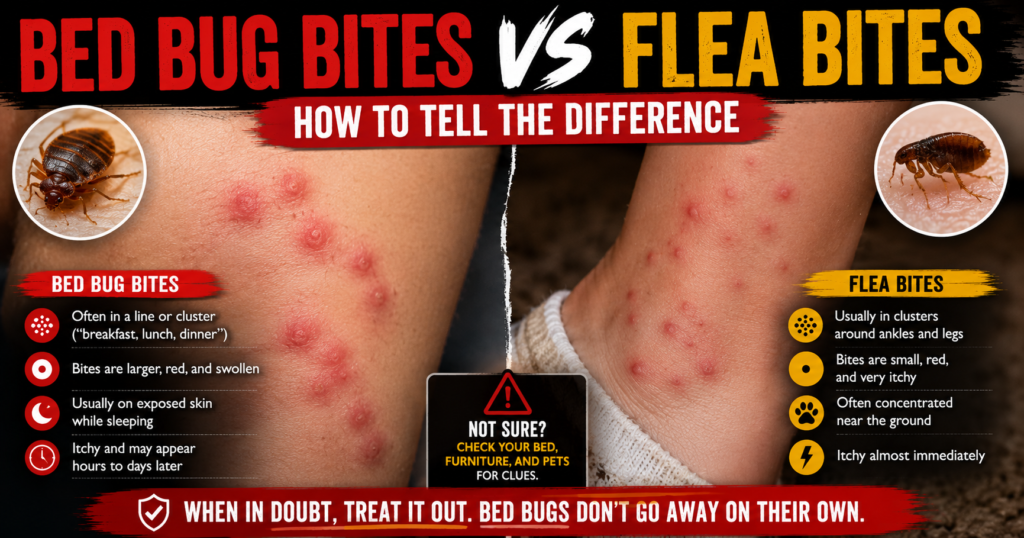
Few things are more frustrating than waking up with itchy bites and having no idea what’s causing them.
One of the most common questions I hear is:
“Are these bed bug bites or flea bites?”
It’s a great question because the two can look surprisingly similar.
I’ve seen people spend hundreds of dollars treating for bed bugs when they actually had fleas. I’ve also seen homeowners ignore a bed bug infestation because they assumed their dog had brought in fleas.
The truth is this:
You usually can’t identify the pest by the bites alone.
Instead, I use the bites as one clue and combine them with everything else I find during an inspection.
That’s how I avoid making expensive mistakes.
Sarah’s First Impression
When someone shows me a photo of a bite, I never say, “That’s definitely a bed bug.”
I simply don’t have enough information.
Instead, I ask questions.
Where did you wake up?
Do you have pets?
Have you traveled recently?
Where are the bites located?

Have you actually found any insects? If you find an insect, a a safe catch-and-release bug catcher can help you examine it without handling it directly.
Those answers tell me much more than the appearance of the bite itself.
Bed Bug Bites at a Glance
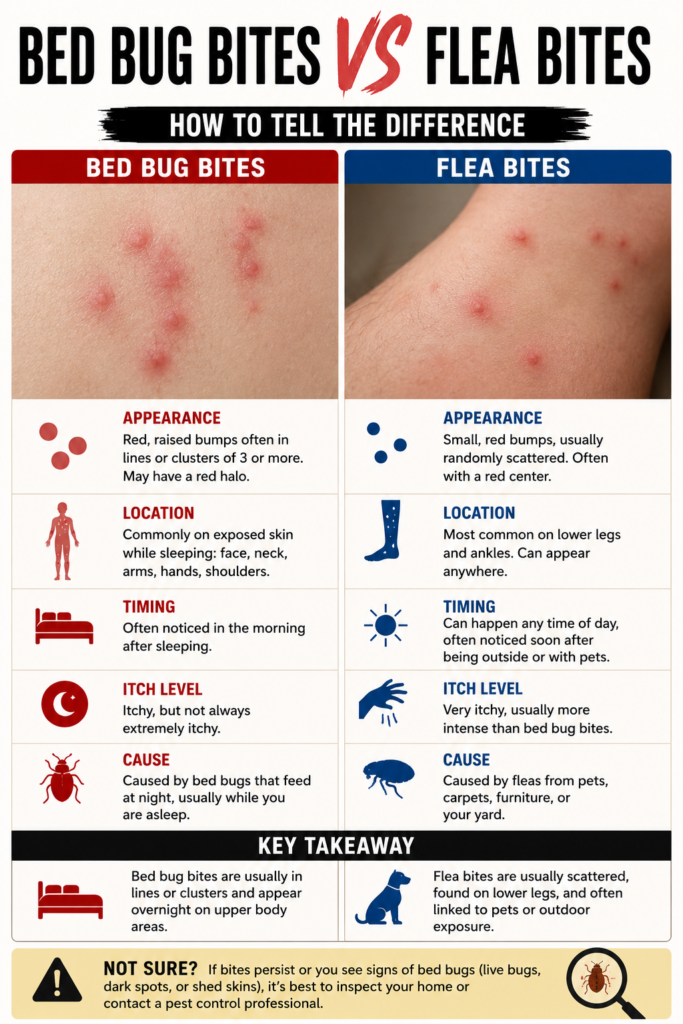
Bed bug bites often have a few common characteristics.
They may appear:
- In small clusters
- In a line or zigzag pattern
- On exposed skin
- After sleeping
Common locations include:
- Arms
- Hands
- Neck
- Shoulders
- Face
- Legs
Some people develop large, itchy welts.
Others barely react at all.
In fact, some people show no visible reaction even though they’ve been bitten.
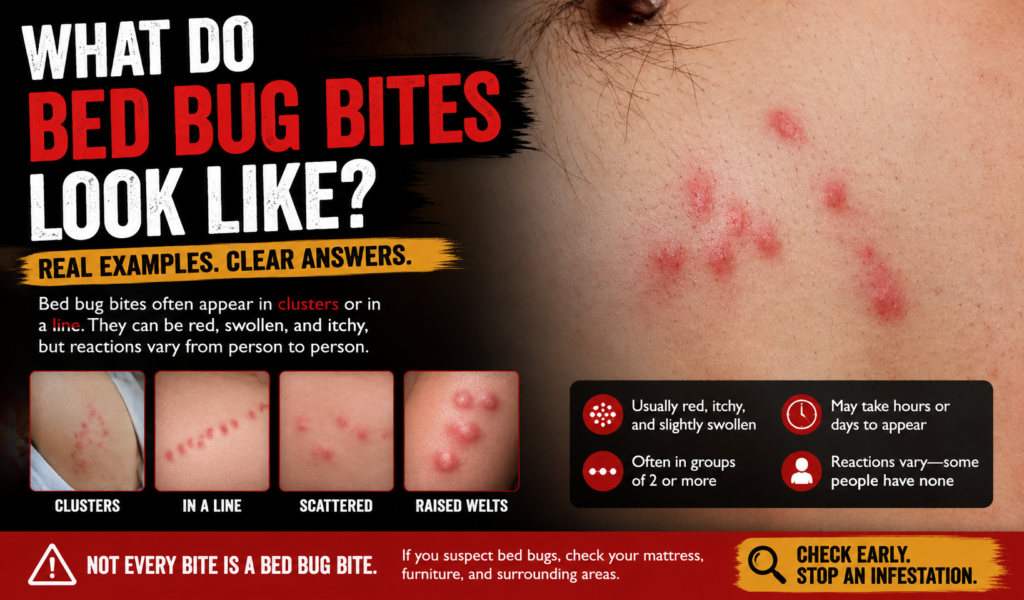
Our guide on What Do Bed Bug Bites Look Like? explains why bite appearance varies so much from person to person.
Flea Bites at a Glance
Flea bites also cause itchy red bumps, but there are a few differences I often notice.
They’re commonly found:
- Around the ankles
- On the feet
- Around the lower legs
That’s because fleas usually jump from the floor, carpet, or pet bedding.
If someone tells me nearly every bite is below the knee, fleas immediately become more likely.
That doesn’t rule out bed bugs.
It simply changes where I begin my inspection.
The Timing Can Be a Clue
One thing I always ask is:
“When are you noticing the bites?”
Bed bug bites are often noticed after sleeping because bed bugs usually feed at night while people are resting.
Flea bites can happen throughout the day whenever someone walks through an area where fleas are active.
Timing isn’t proof by itself.
But combined with other clues, it can point me in the right direction.


Do You Have Pets?
This is another important question.
Dogs and cats can bring fleas into a home.
Bed bugs are different.
They don’t usually arrive because of your pets.
Most bed bug infestations begin when the insects hitchhike inside on:
- Luggage
- Used furniture
- Clothing
- Backpacks
- Overnight bags
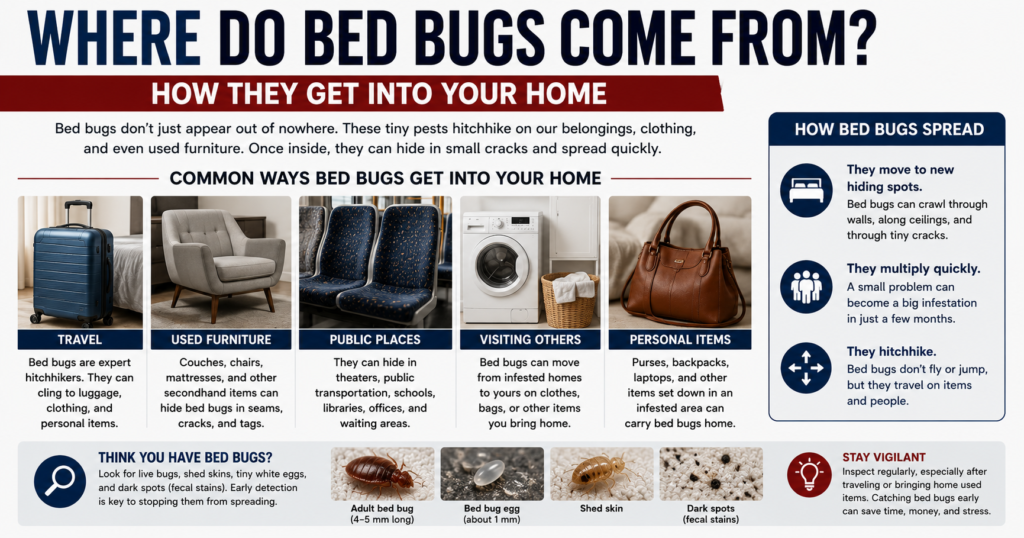
Our article on Where Do Bed Bugs Come From? explains the most common ways they enter a home.
Don’t Diagnose Yourself by Bites Alone
This is probably the biggest point I want readers to remember.
Bites are helpful.
They’re not enough.
I’ve seen allergic reactions mistaken for bed bugs.
Mosquito bites mistaken for fleas.
Flea bites mistaken for spiders.
That’s why I always inspect for physical evidence before deciding what pest I’m dealing with.



What I’d Look For If I Suspected Bed Bugs
If bed bugs were my main concern, I’d inspect:
- Mattress seams.
- Box spring.
- Bed frame.
- Headboard.
- Nightstands.
- Upholstered furniture.
I’m looking for:
- Live bugs
- Tiny white eggs
- Shed skins
- Dark fecal spots
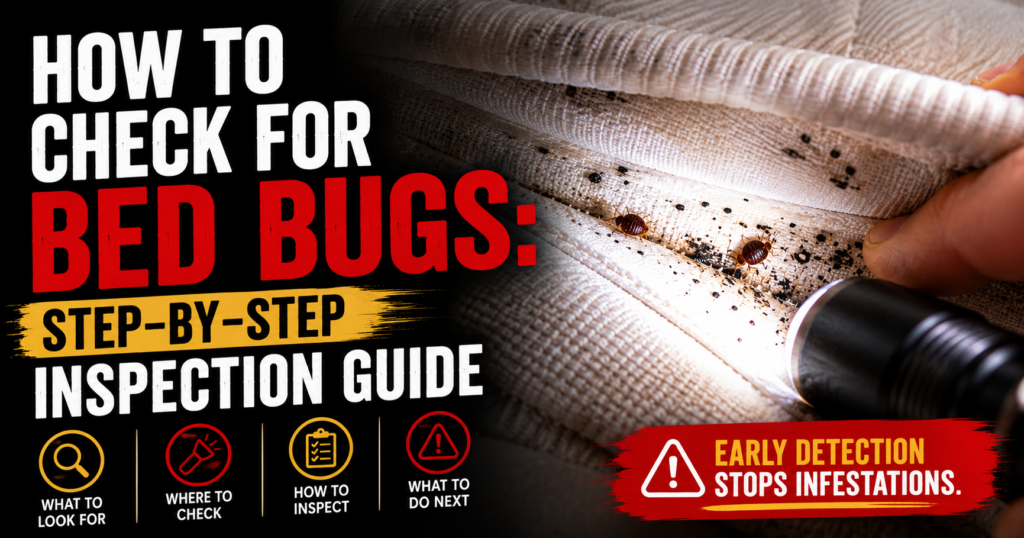
Our How to Check for Bed Bugs guide walks through this inspection in detail.
What I’d Look For If I Suspected Fleas
If I suspected fleas instead, my inspection would be completely different.
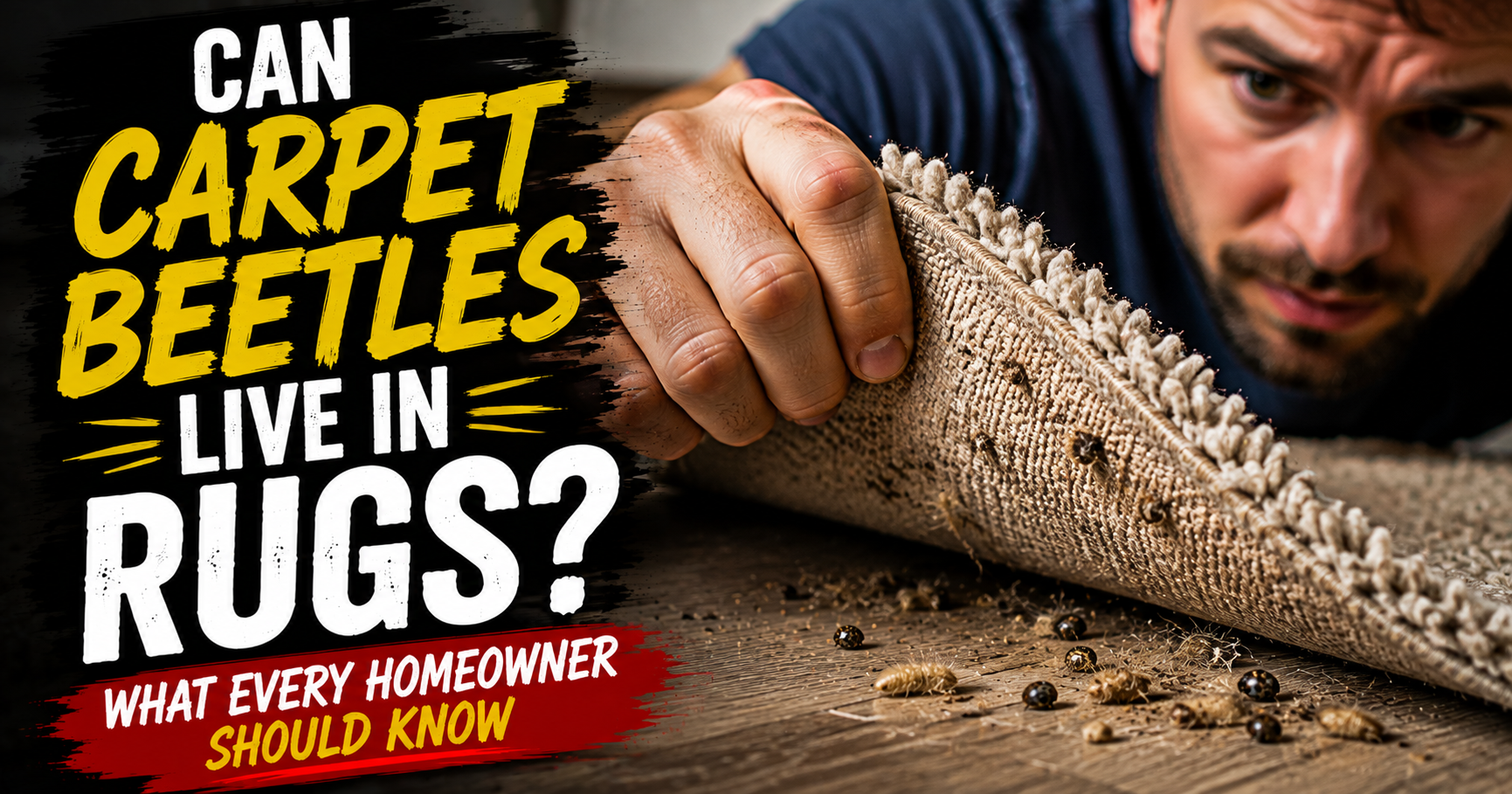
I’d check:
- Pet bedding
- Carpets
- Rugs
- Upholstered furniture
- Areas where pets spend time
I’d also look closely at my pets for signs of flea dirt or scratching.
That’s one reason identifying the correct pest first is so important.
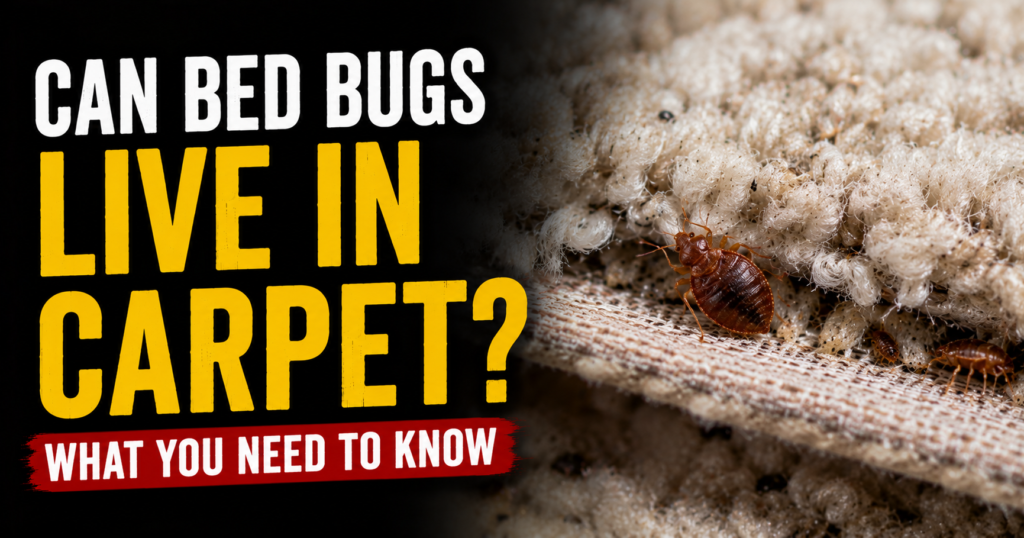

What If You Haven’t Found Any Bugs?
This happens all the time.
Someone has bites but hasn’t found a single insect.
If that were my house, I wouldn’t panic.
I’d perform a careful inspection over the next several days.
Bed bugs are masters at hiding.
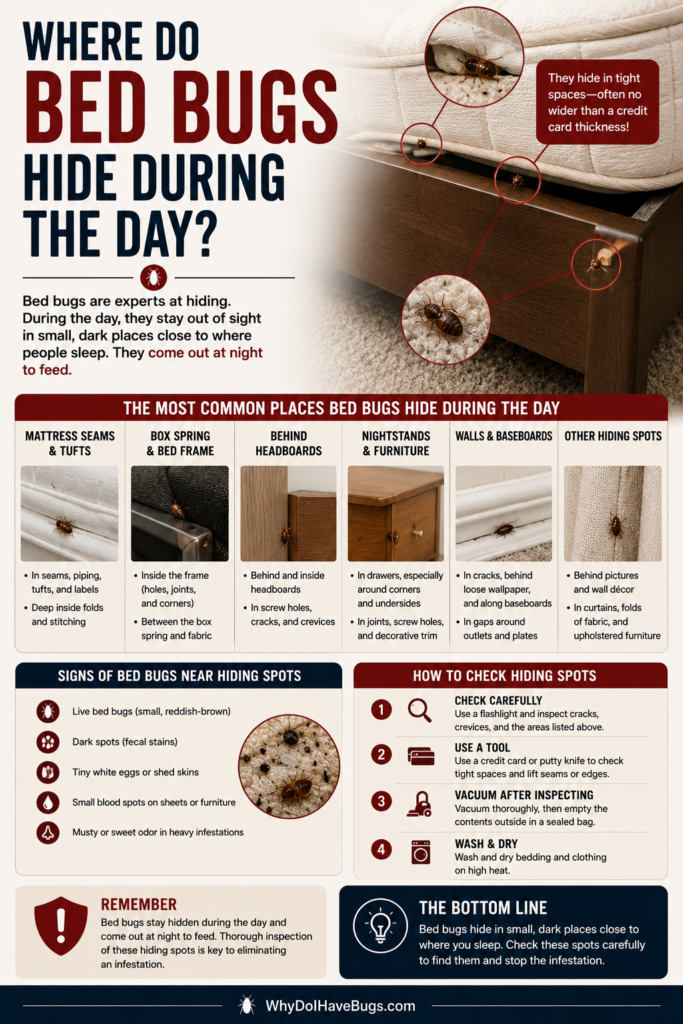
Our guide on Where Do Bed Bugs Hide During the Day? explains exactly where I would look first.
What I Would Do If This Were My House
If I woke up tomorrow covered in itchy bites, I wouldn’t immediately assume bed bugs or fleas.
I’d become a detective.
I’d inspect my mattress.
I’d check around my pets.
I’d look for eggs, droppings, shed skins, or live insects.
Only after gathering evidence would I decide how to treat the problem.
That approach saves time, money, and a lot of frustration.
If You Confirm Bed Bugs
If your inspection points to bed bugs, protecting your sleeping area should be one of your first priorities.
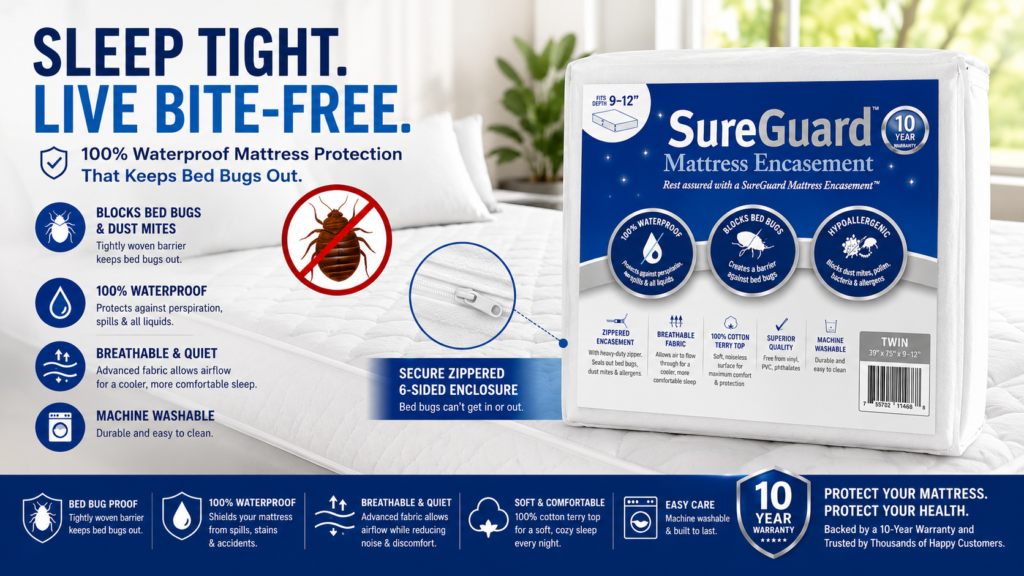

A SureGuard Mattress Encasement helps eliminate one of the insects’ favorite hiding places while making future inspections much easier. You can learn more in our review of whether mattress encasements really work for bed bugs.
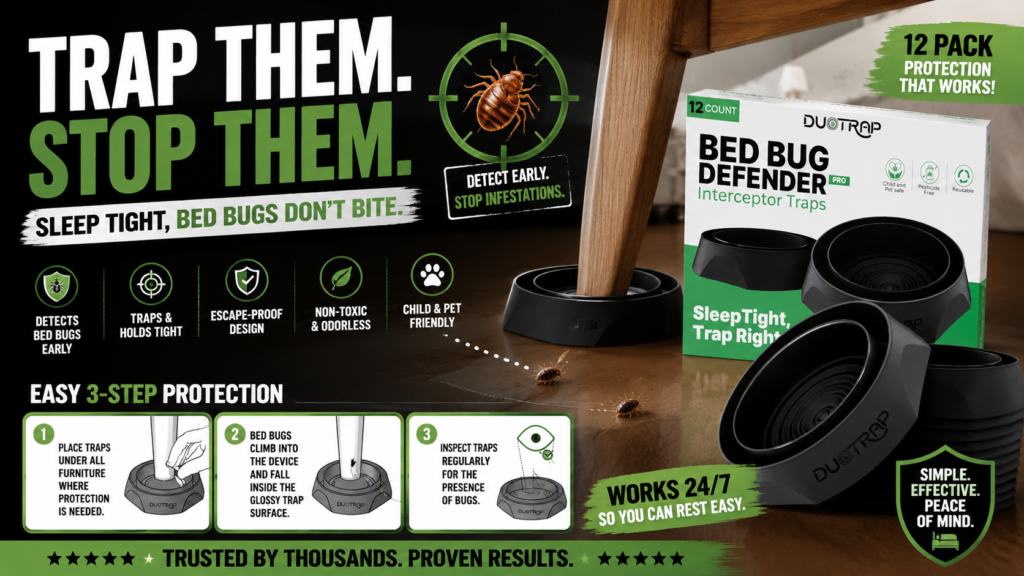
To monitor activity after treatment, I also recommend reading our review of bed bug interceptor cups. They’re one of the easiest ways to tell whether bed bugs are still active.

If treatment is necessary, many homeowners choose Harris Toughest Bed Bug Killer. Our review explains where it fits into a complete treatment plan and what results you should realistically expect.
The Biggest Mistake I See
The biggest mistake I see is treating the bites instead of identifying the pest.
Anti-itch creams may help you feel better.
They won’t tell you whether you have bed bugs, fleas, mosquitoes, or something else.
The sooner you identify the source, the sooner you can solve the actual problem instead of chasing symptoms.
Frequently Asked Questions
Are bed bug bites itchier than flea bites?
It depends on the individual. Some people react strongly to bed bug bites, while others react more to flea bites or barely react at all.
Do flea bites always appear on the ankles?
No. Ankles and lower legs are common locations, but flea bites can occur elsewhere on the body.
Can you tell the difference just by looking at the bites?
Usually not. Bite appearance alone isn’t considered a reliable way to identify the pest responsible.
What should I inspect first if I think I have bed bugs?
Start with the mattress seams, box spring, bed frame, and headboard before expanding your search to nearby furniture.
Should I treat for bed bugs or fleas first?
Treat the pest you’ve confirmed through inspection. Guessing often leads to wasted time, unnecessary expense, and continued bites.
About the Author
Sarah Bennett researches bed bugs, household pests, and home inspection methods. She focuses on helping homeowners identify pests accurately through evidence-based inspections, so they can choose the right solution instead of relying on guesswork.