
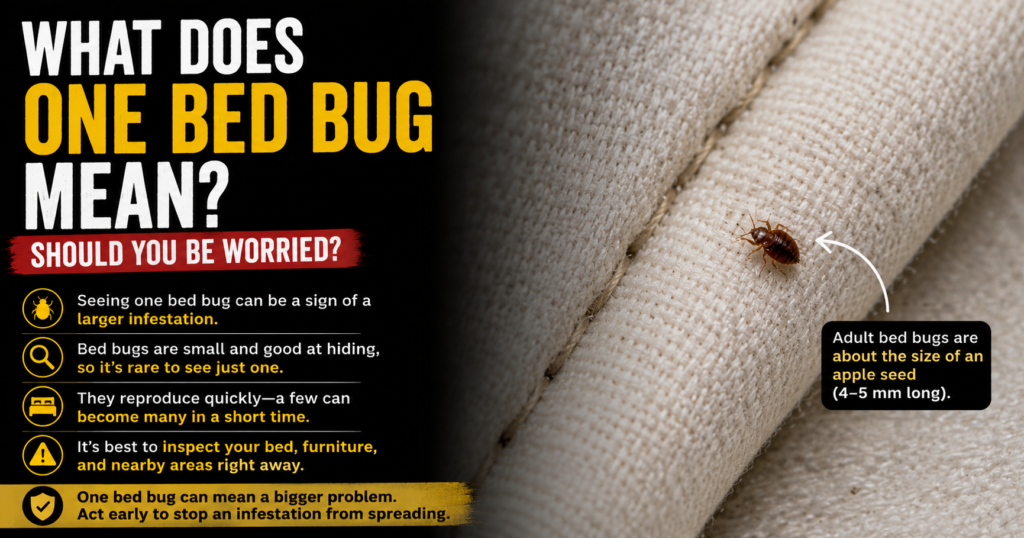
Finding one bed bug can instantly send your mind into panic mode.
I’ve talked to homeowners who found a single bug on a pillow and immediately started pricing new mattresses.
Others assumed they had thousands of bed bugs hiding in the walls.
The truth is usually somewhere in the middle.
One bed bug doesn’t automatically mean your home is heavily infested. Even a limited finding deserves a careful plan, beginning with How to Get Rid of Bed Bugs Fast: Step-by-Step Guide.
At the same time, it’s not something I’d ignore.
The key is understanding what that single bug is trying to tell you.
Sarah’s First Impression
When someone tells me they found one bed bug, I don’t immediately ask where they bought bug spray.
I ask questions.
Where did you find it?
Was it alive?
Was it an adult or a young bug?
Have you traveled recently?
Has anyone stayed in your home?
Have you noticed bites?
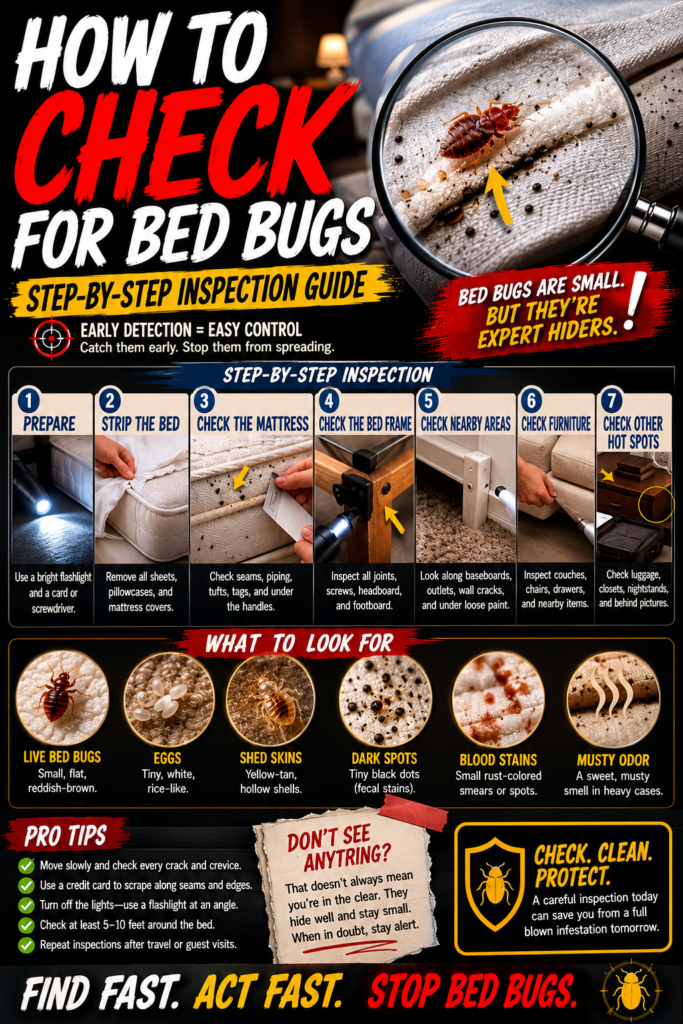
One bed bug by itself is only one piece of the puzzle. A How to Check for Bed Bugs: Step-by-Step Inspection Guide can help you look for the surrounding clues that put one discovery in context.
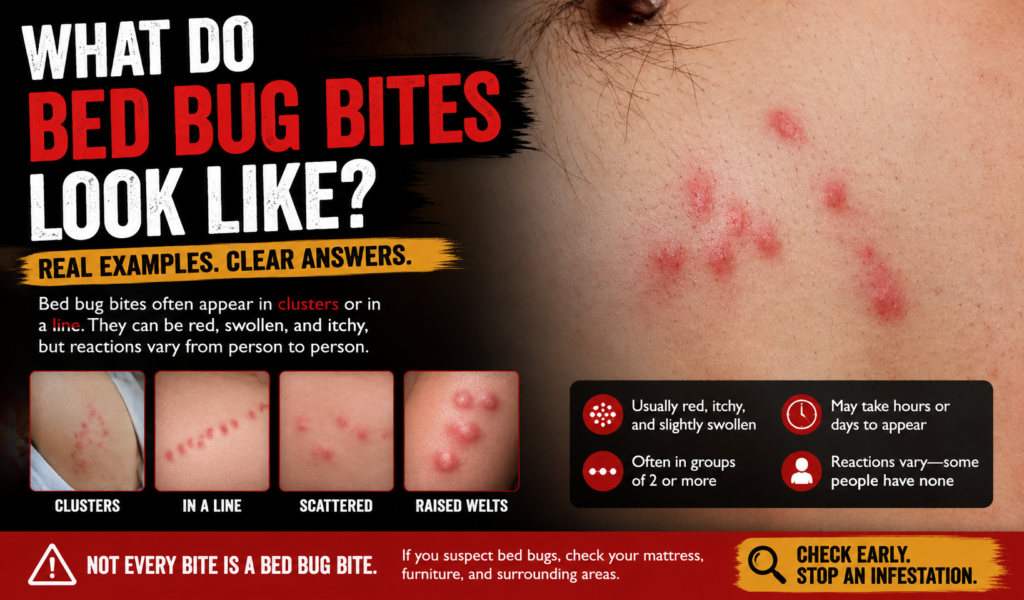
The surrounding clues usually tell me much more. Bites can be one clue among several, and What Do Bed Bug Bites Look Like? Easy Identification Guide explains why they should not be used as the only basis for identification.
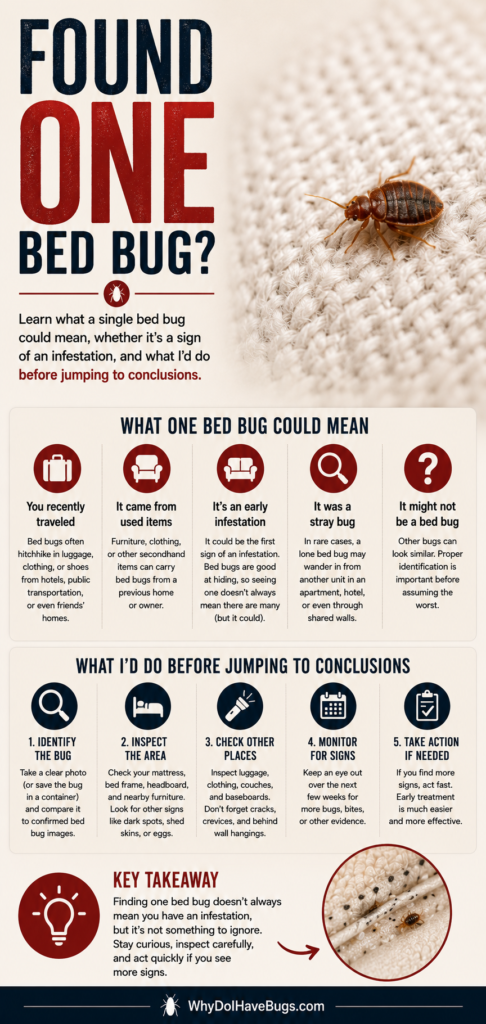
Sometimes It Really Is Just One Bed Bug
People are often surprised when I say this.
Sometimes a single bed bug is exactly that. Even so, it helps to understand Do Bed Bugs Ever Go Away on Their Own? The Honest Answer before deciding whether to wait and watch.
One bug.
It may have arrived on:
- Luggage
- Clothing
- A backpack
- Used furniture
- A guest’s belongings
In these situations, it’s possible the bug never had time to establish an infestation.
That’s why I don’t believe every single sighting means disaster.



But I Never Assume It’s Alone
Here’s where experience changes how I approach the situation.
Even if I only see one bed bug, I inspect as though there may be more.
Why?
Because bed bugs are experts at staying hidden.
The one you found could simply be the first one you noticed.
That’s a very different thing from being the only one that’s there.
What I’d Check First
If you called me after finding one bed bug, this would be my inspection order.
- Mattress seams.
- Mattress tags.
- Box spring.
- Bed frame.
- Headboard.
- Nightstand.
- Upholstered furniture beside the bed.
I wouldn’t waste time searching random closets before checking these areas.
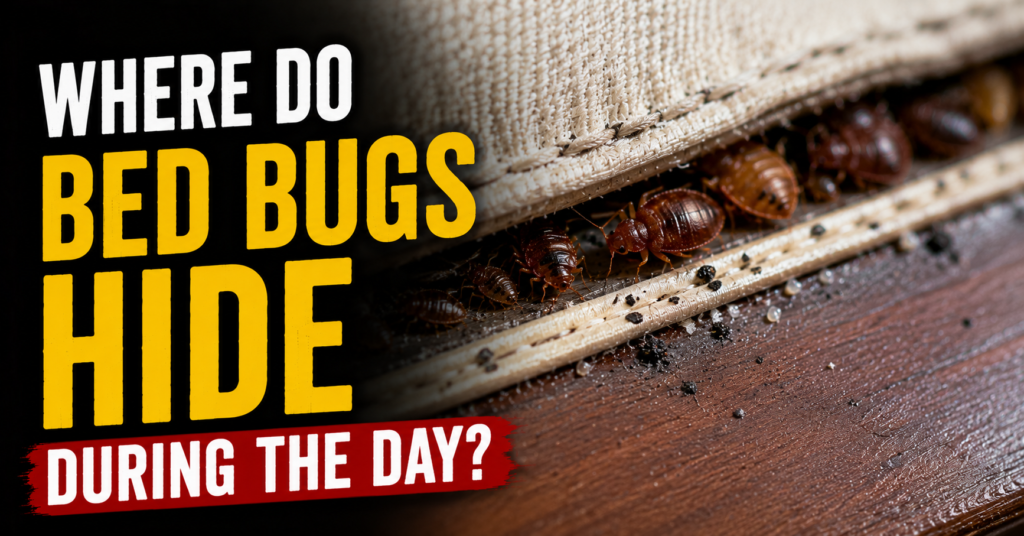
Our guide on where bed bugs hide during the day walks through the exact locations I inspect first.
Look for More Than Just Live Bugs
One mistake I see all the time is people looking only for moving insects.
I’m looking for evidence.
That includes:
- Eggs
- Shed skins
- Dark fecal spots
- Tiny blood stains
- Live bugs
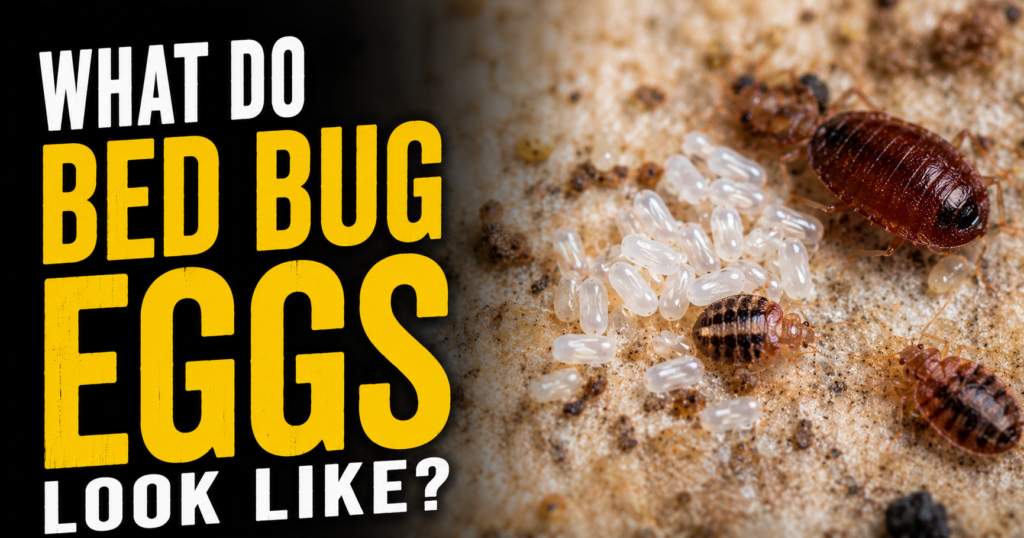
If you aren’t sure what the eggs look like, our article on identifying bed bug eggs shows what to look for and what people commonly mistake them for.
Does Finding One Bed Bug Mean They’re in Other Rooms?
Not necessarily.
Early infestations often stay concentrated near where people sleep.
If you found one bed bug in a bedroom, I wouldn’t immediately assume every room in the house is affected.
Instead, I’d inspect outward from that location.
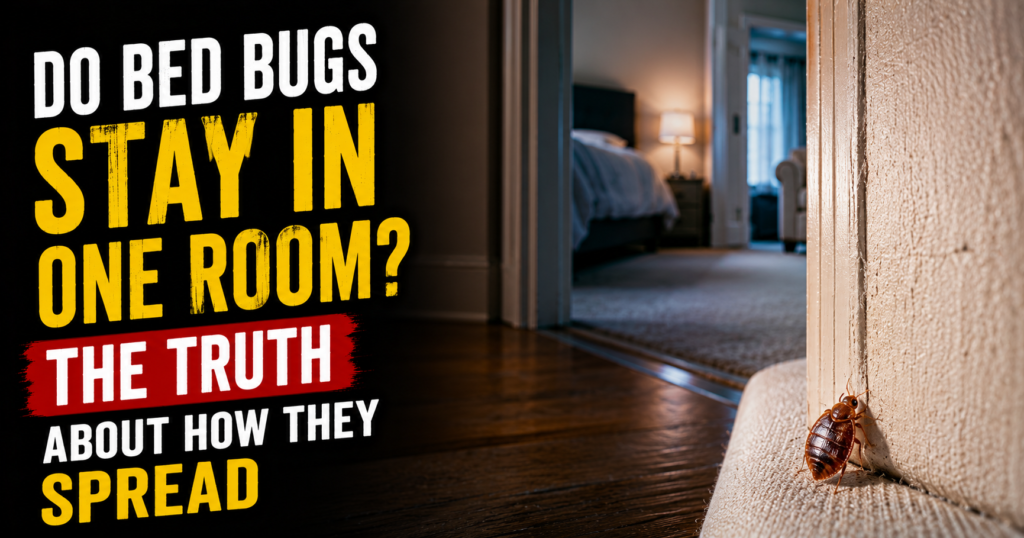
Our guide on whether bed bugs stay in one room explains how they usually spread over time.
Could It Have Come From Somewhere Else?
Absolutely.
I’ve seen single bed bugs introduced through:
- Hotels
- Vacation rentals
- College dorms
- Airplanes
- Movie theaters
- Used furniture
- Workplace bags
That’s why I always ask about recent travel before assuming the infestation started at home.
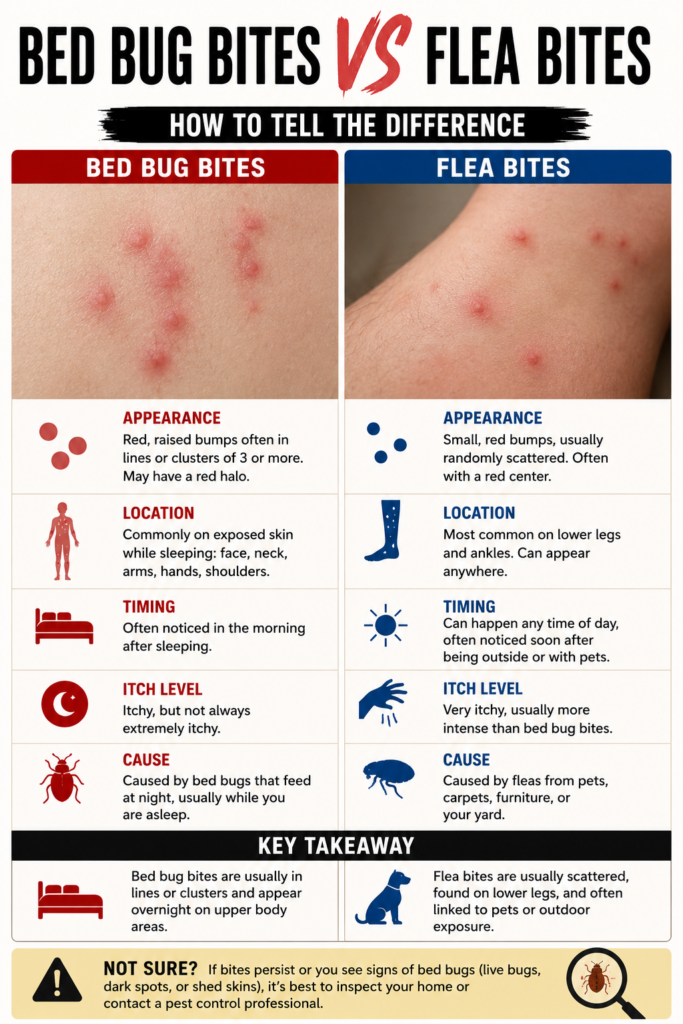
Finding one bed bug often happens after someone notices unexplained bites, but those bites aren’t enough to confirm an infestation by themselves. If you’re still unsure what’s causing the marks on your skin, take a look at Bed Bug Bites vs. Flea Bites: How to Tell the Difference before making treatment decisions.
Should You Throw Away Your Mattress?
Almost never.
This is one of the biggest mistakes I see.
A mattress can often be protected instead of replaced.

Many homeowners install a SureGuard Mattress Encasement to trap any remaining bed bugs inside the mattress while preventing new ones from getting in.
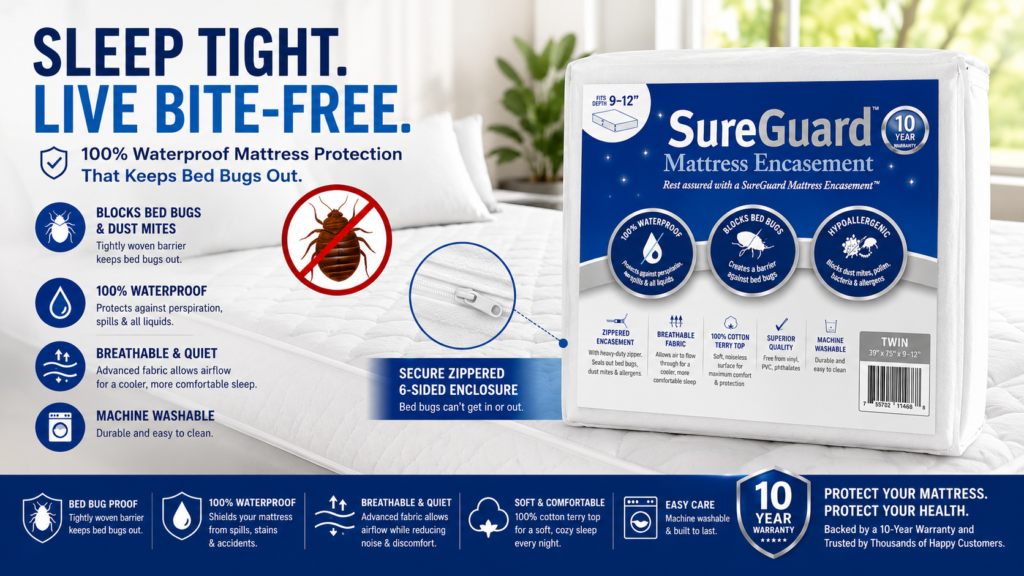
If you’re considering one, our guide on whether mattress encasements really work explains when they’re worth buying.
How I Monitor After Finding One Bed Bug
If I only found one bug, I wouldn’t immediately assume the problem was solved.
I’d monitor.
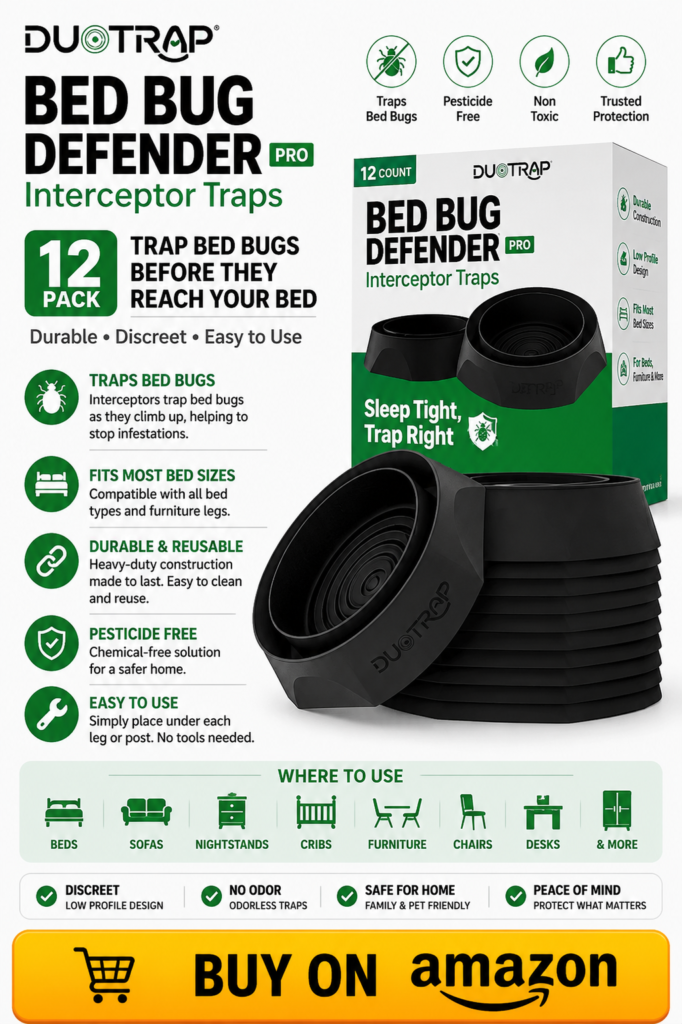
One of my favorite tools is a set of bed bug interceptor cups, which sit beneath the bed legs and help reveal whether additional bed bugs are still active.
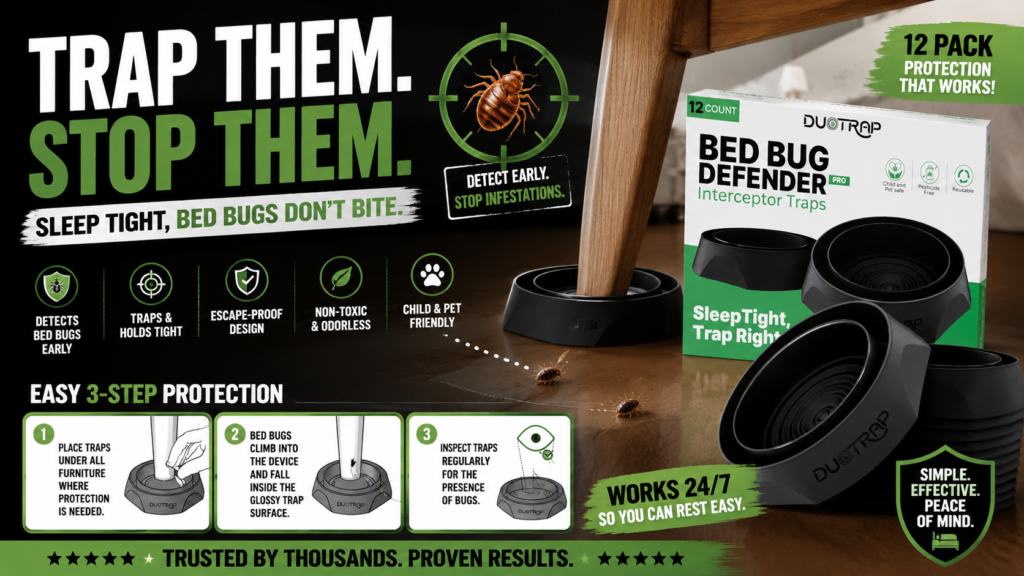
Our review of bed bug interceptor cups explains how they fit into a complete inspection plan.
If You Confirm More Bed Bugs
If my inspection uncovered additional evidence, I’d begin treatment immediately.

Many homeowners choose Harris Toughest Bed Bug Killer as part of their treatment plan.

Our review of Harris Toughest Bed Bug Killer explains where it performs well and where additional methods are usually necessary.
My Advice
Finding one bed bug should get your attention.
It shouldn’t cause panic.
Slow down.
Inspect carefully.
Gather evidence.
Most importantly, don’t make expensive decisions before you understand what you’re dealing with.
A careful inspection almost always provides better answers than assumptions.
Frequently Asked Questions
Does one bed bug always mean an infestation?
No. A single bed bug can sometimes be introduced from another location without creating an infestation.
Should I call an exterminator after finding one bed bug?
It depends on what your inspection reveals. Additional evidence often determines the next step.
Can one bed bug reproduce?
A single fertilized female has the potential to start an infestation, which is why inspections should never be skipped.
Is one bed bug easier to eliminate?
Yes. Early detection gives you a much better chance of stopping an infestation before it grows.
What’s the first thing I should inspect?
I always begin with the mattress, box spring, bed frame, and headboard before moving to the rest of the room.
About the Author
Sarah Bennett researches bed bugs, household pests, and practical inspection methods. She focuses on helping homeowners identify early warning signs, understand how infestations begin, and make informed treatment decisions before a small problem becomes a major one.