

One of the most common things homeowners tell me is:
“I never see roaches during the day. I only see them at night.”
Then they’ll describe walking into the kitchen for a drink of water, turning on the light, and watching a roach race across the floor.
If this sounds familiar, you’re actually seeing normal cockroach behavior.
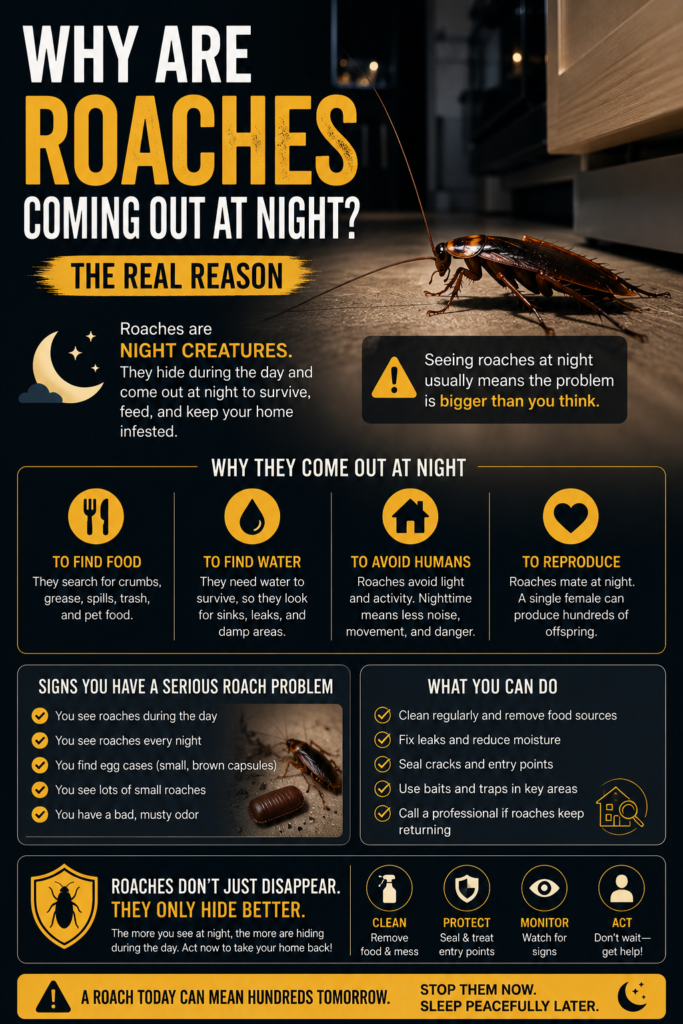
Roaches are naturally nocturnal insects. Darkness provides safety, fewer disturbances, and better opportunities to search for food and water.
The fact that you’re seeing them at night doesn’t automatically mean you have a massive infestation.
However, nighttime activity can still reveal a lot about what’s happening inside your home. Those nighttime sightings can be easier to interpret when you know the other clues covered in Signs of a Hidden Cockroach Infestation Most People Miss.
Roaches Are Naturally Nocturnal
Cockroaches have survived for millions of years because they’re excellent at avoiding danger.
One way they do this is by staying hidden during the day.
Most predators rely heavily on vision.
Humans do too.
By remaining hidden when people are active and emerging after dark, cockroaches dramatically increase their chances of survival.
That’s why most infestations remain unnoticed for long periods.
The roaches are there.
You just aren’t seeing them.



Why Do Roaches Scatter When You Turn on the Light?
This is one of the strongest clues that you’re looking at a cockroach.
When a light suddenly comes on, roaches interpret the change as danger.
Their instinct is to immediately retreat to the nearest hiding place.
That’s why homeowners often see them:
- Running under appliances
- Disappearing beneath cabinets
- Entering cracks
- Retreating behind baseboards
That quick dash for cover is classic cockroach behavior.


Why Do I Only See One Roach at Night?
Many homeowners assume that seeing one roach means only one exists.
Unfortunately, that’s not always true.
Cockroaches spend most of their time hidden.
The insect you see may simply be the only one that happened to be exposed when you entered the room.
This is one reason recurring sightings deserve attention.

Our article on why you may be seeing one roach every day explains why repeated sightings often tell a much bigger story.
Why Are Roaches Usually Found in Kitchens at Night?
The answer is simple.
The kitchen contains what roaches need most.
Food.
Water.
Shelter.
Crumbs under appliances, grease behind stoves, pet food bowls, sink moisture, and garbage containers all make kitchens highly attractive after dark.
This is why many homeowners first discover roaches while entering the kitchen late at night.


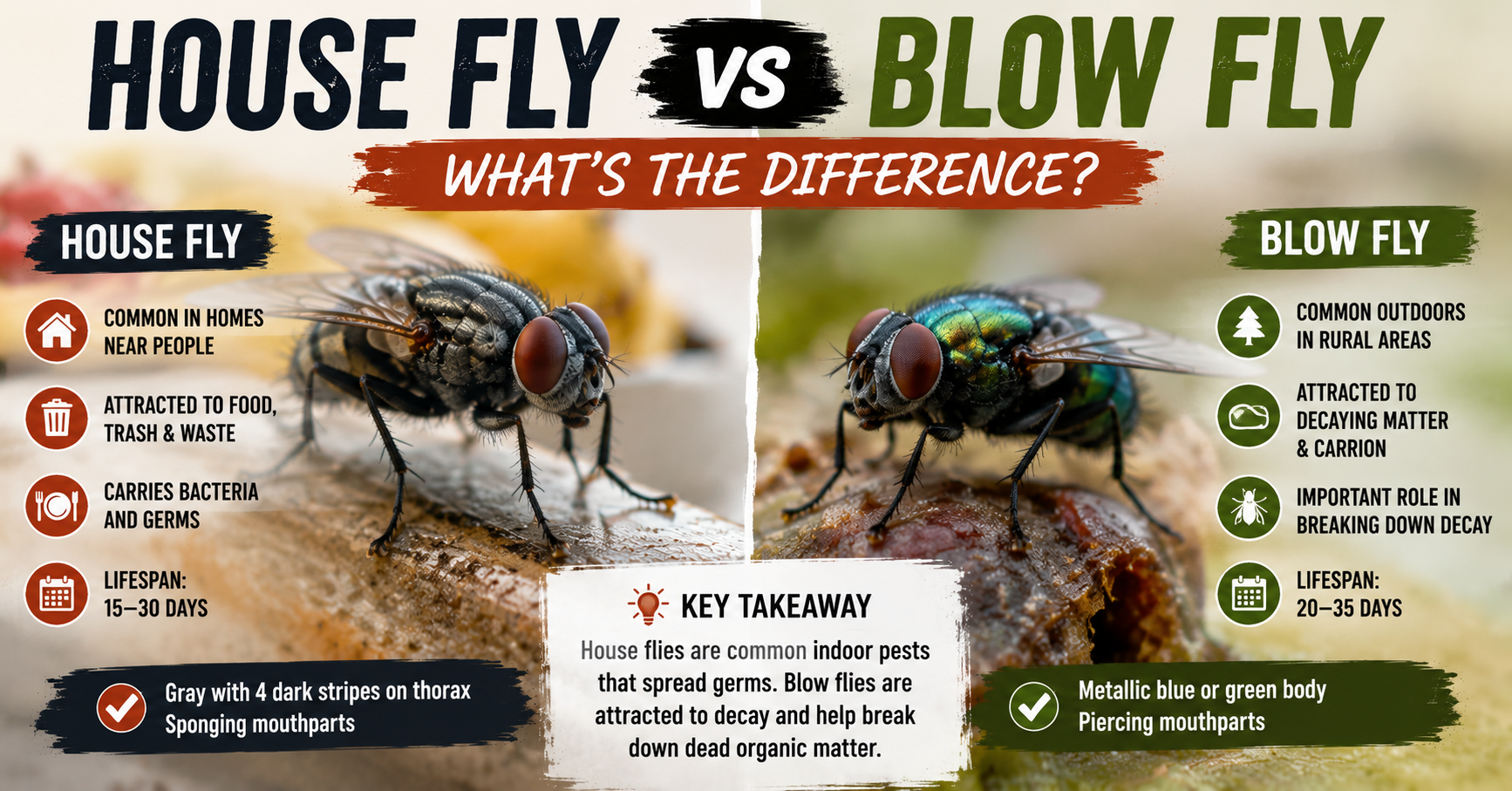
Why Are Roaches Active in Bathrooms at Night?

Bathrooms provide something just as valuable as food. Reducing bathroom humidity may make the room less attractive to moisture-seeking roaches; a dehumidifier for bathroom moisture can support that effort.
Water.
Roaches can survive surprisingly long periods with limited food, but they still need moisture.
Leaky pipes, sink cabinets, toilets, showers, and condensation create ideal conditions.
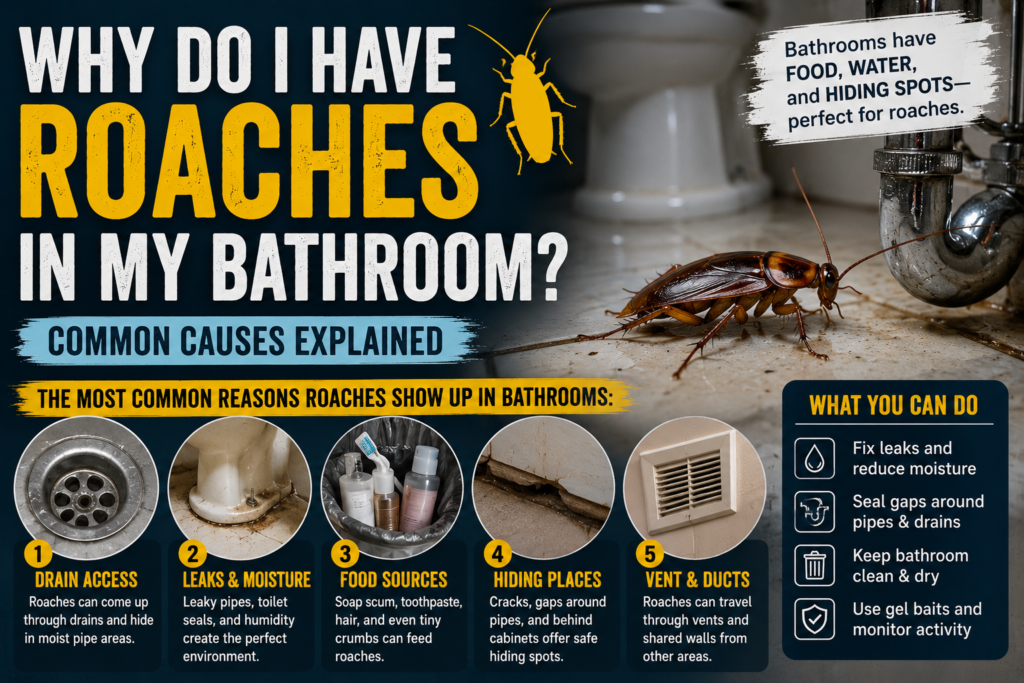
If most of your sightings happen there, our guide on why roaches are attracted to bathrooms may help explain what’s happening.
Is Seeing Roaches at Night a Sign of an Infestation?
Sometimes.
The answer depends on what you’re seeing.
An occasional outdoor roach that wandered inside isn’t necessarily a sign of an infestation.
Repeated sightings are more concerning.
I become particularly interested when homeowners report:
- Frequent sightings
- Baby roaches
- Roaches in multiple rooms
- Egg cases
- Droppings
Those signs often point toward a larger problem.



Why Seeing Baby Roaches at Night Is More Concerning
When I hear someone mention baby roaches, my concern level increases.
Young roaches generally stay closer to where they hatch.
This means baby roaches often indicate active breeding nearby.

If you’ve noticed tiny roaches in addition to nighttime sightings, our article on why you may be seeing baby roaches in your house explains why that can be such an important clue.
Are Nighttime Sightings Better Than Daytime Sightings?
In a strange way, yes.
Nighttime activity is normal.
Daytime activity can sometimes be more concerning.
When roaches start appearing regularly during daylight hours, it may indicate that competition for resources is forcing more insects out into the open.
While daytime sightings don’t automatically mean a severe infestation, I generally consider them a stronger warning sign than occasional nighttime activity.


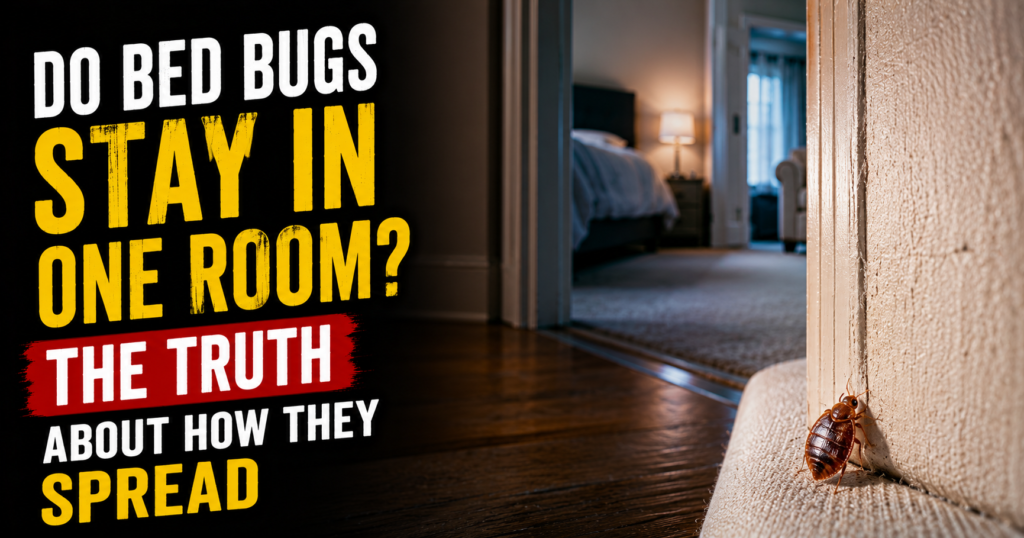
What Are Roaches Doing at Night?
Most nighttime activity revolves around survival.
Roaches spend the night:
- Searching for food
- Looking for water
- Exploring new hiding spots
- Finding mates
- Returning to nesting areas
This is why reducing access to food and moisture remains one of the most important parts of long-term control.
What Should You Do If You Keep Seeing Roaches at Night?
If I started seeing roaches regularly after dark, I would begin investigating immediately.
I would:
- Identify where sightings occur.
- Inspect nearby hiding places.
- Look for moisture sources.
- Search for droppings.
- Check for egg cases.
- Monitor activity patterns.
The goal isn’t simply killing the roach you saw.
The goal is understanding why it was there.

Products That Can Help
Many homeowners dealing with nighttime activity choose bait products because they can affect hidden roaches that never leave their hiding places during the day.

One of the most popular options is Advion Cockroach Gel Bait.
Unlike many sprays, bait can be carried back into hidden nesting areas where additional roaches may be feeding.

If you’d like a detailed breakdown, see our complete Advion Cockroach Gel Bait review.

Many homeowners also use boric acid powder in cracks and crevices where roaches travel.
For more information, read our guide on using boric acid for roaches and ants.
Frequently Asked Questions
Is it normal to only see roaches at night?
Yes. Roaches are naturally nocturnal and prefer to remain hidden during the day.
Why do roaches run when the lights come on?
They interpret sudden light as danger and instinctively seek shelter.
Does seeing roaches at night mean I have an infestation?
Not always. However, repeated sightings deserve investigation.
Why do I only find roaches in my kitchen at night?
Kitchens provide food, water, and shelter, making them one of the most attractive areas in a home.
Are daytime roach sightings worse?
Often yes. Daytime activity can sometimes indicate a larger or more established population.
About the Author
Michael Carter researches household pests, cockroach behavior, and practical pest control solutions. He focuses on helping homeowners understand what bug activity means and how to solve problems before they become major infestations.