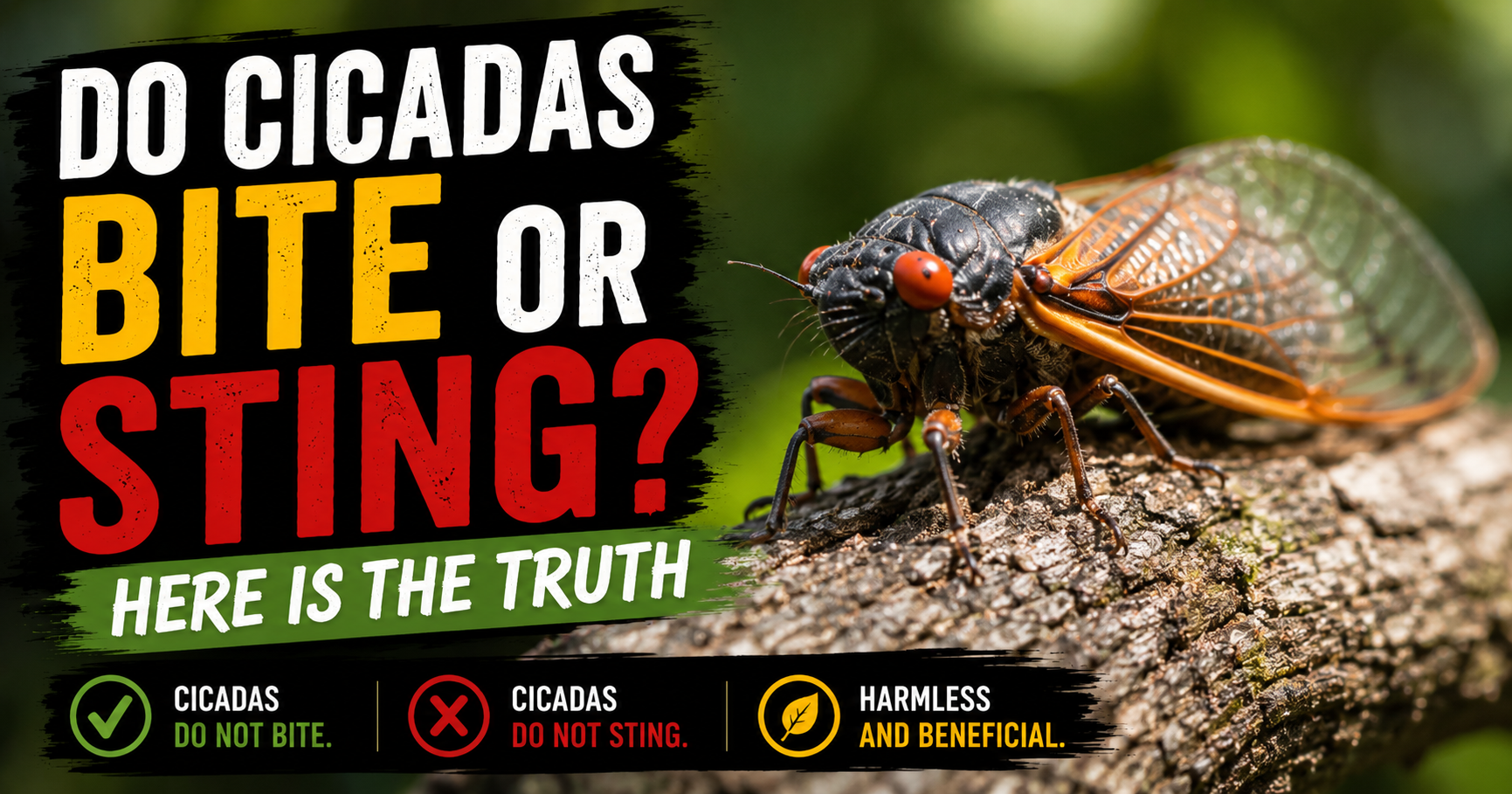
A big cicada suddenly flying into your hair, shirt, or face can make almost anybody jump. They are loud, bulky, and not exactly graceful flyers. But cicadas are not dangerous insects. They do not sting, and they are not known for biting people.
What feels scary is usually just a startled cicada trying to find a tree, a fence, or any other solid surface to land on.
Do Cicadas Bite?
Cicadas do not bite people in the way mosquitoes, fleas, bed bugs, or other biting insects do. They do not seek out people, feed on blood, or use their mouthparts to attack.
Cicadas have a long, straw-like mouthpart called a rostrum. It is designed to pierce plant tissue and drink fluids from roots or small twigs. It is not built for chewing skin.
A cicada that lands on you may grip your clothing or skin with its feet, which can feel surprisingly strong. That is not a bite. It is simply trying not to fall.


Do Cicadas Sting?
No. Cicadas do not have stingers.
They are not related to bees, wasps, hornets, or yellow jackets, and they cannot inject venom. A cicada can buzz loudly, flutter into you, or cling to your arm, but it cannot sting you.
The females do have an egg-laying tool called an ovipositor. It is used to place eggs inside small tree twigs. It is not a stinger, and cicadas do not use it to defend themselves from people or pets.


Why Do Cicadas Fly at People?
They usually are not trying to fly at you. Adult cicadas are clumsy fliers, especially near the end of their short above-ground life. They may mistake a person, vehicle, porch post, or house wall for a place to land.
Bright colors, movement, and nearby trees can all make a cicada change direction suddenly. During a heavy emergence, there are simply so many cicadas flying around that a few close encounters are bound to happen.
If one lands on you, stay calm and gently brush it onto a tree, shrub, or other outdoor surface.
Can a Cicada Hurt You if You Pick It Up?
A cicada is very unlikely to hurt you. If you pick one up, it may buzz hard, flap its wings, or grip your hand with its feet. Those feet can feel a little scratchy, but they do not cause a meaningful injury.
I would hold one loosely and avoid squeezing it. A cicada that feels trapped may struggle harder and is more likely to get damaged.
Kids can safely look at cicadas, their shed shells, and their clear wings. Just teach them to be gentle and wash their hands afterward like they would after handling any outdoor insect.


Are Cicadas Dangerous to Dogs and Cats?
Cicadas are generally not dangerous to dogs or cats. Most pets that catch one will only deal with an unpleasant buzzing insect and maybe a bad taste.
The main issue is quantity. Eating one or two cicadas is usually not a big concern, but a dog that eats a pile of them may end up with an upset stomach, vomiting, or diarrhea. Their hard outer shells can be difficult to digest in larger amounts.
Keep an eye on pets during a heavy cicada emergence, especially dogs that enjoy chasing everything that moves. Call your veterinarian if your pet eats a large amount, seems distressed, keeps vomiting, or acts unusually tired.
Can Cicadas Carry Disease?
Cicadas are not known for spreading disease to people the way mosquitoes, ticks, fleas, or some flies can. They do not feed on blood, so they are not a normal concern for disease transmission in people or pets.
You do not need to spray your yard or home because you are worried about cicada-borne illness.


Why Do Cicadas Look So Scary?
Their size is a big part of it. A full-grown cicada is much larger than many insects people see around the house, and its large eyes, thick body, and loud wings make it hard to ignore.

They can also appear suddenly after climbing out of the ground, leaving their brown shed skins all over trunks, decks, and outdoor furniture. Those shed skins begin with the nymph stage described in cicada nymph emergence.
But their appearance is much more dramatic than their behavior. Cicadas are focused on finding mates, laying eggs, and completing their short adult life outdoors.
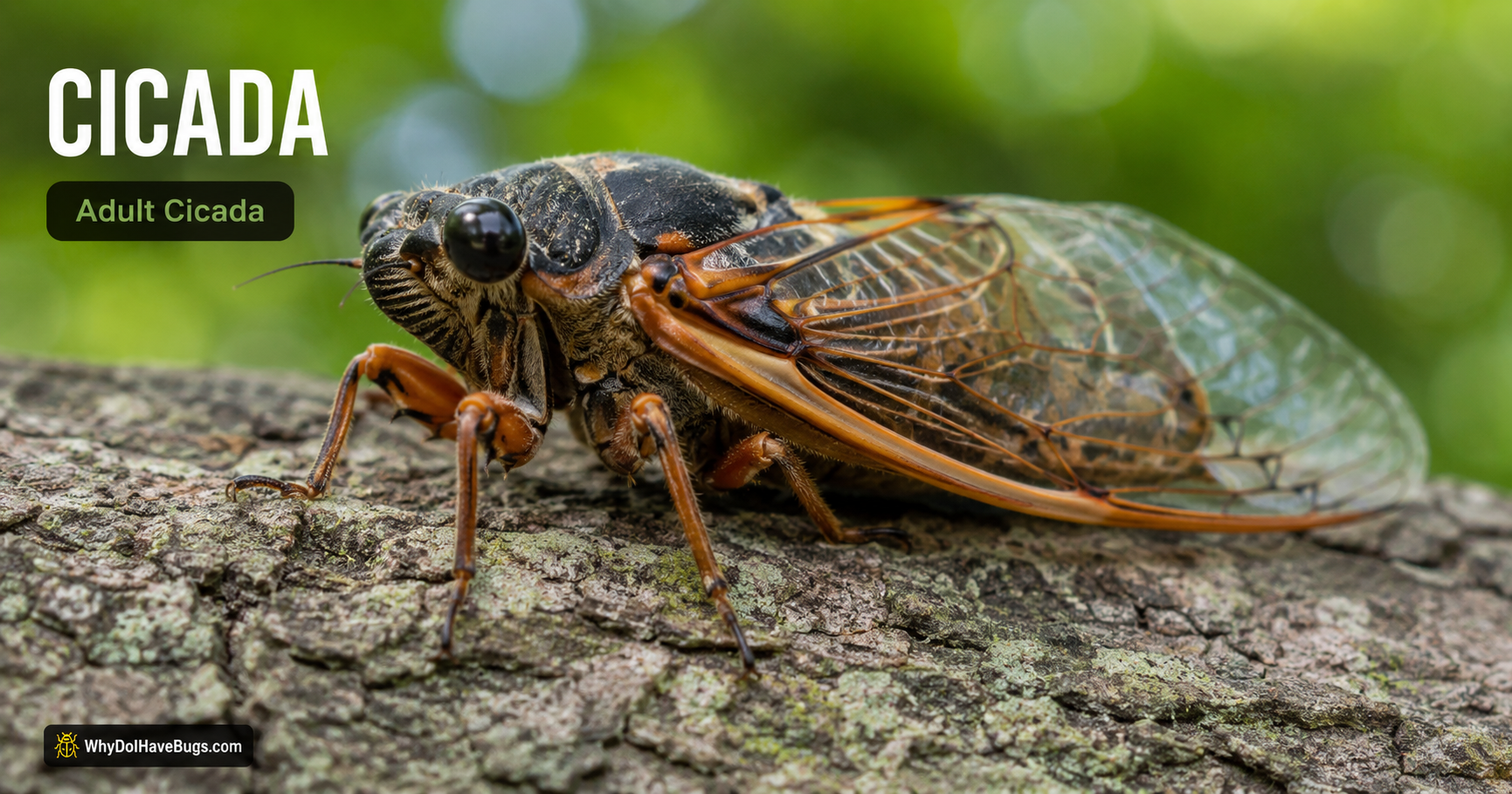
For a closer look at their body shape, wings, shells, and life cycle, see this easy guide to identifying cicadas.
Do Cicadas Chase People?
No. Cicadas do not chase people.
A male cicada may fly toward movement or loud sound, but it is not trying to attack. It may simply be disoriented, seeking a landing place, or reacting to activity nearby.
The loud calling sound is also not directed at people. Male cicadas call to attract female cicadas, usually from high in the trees.

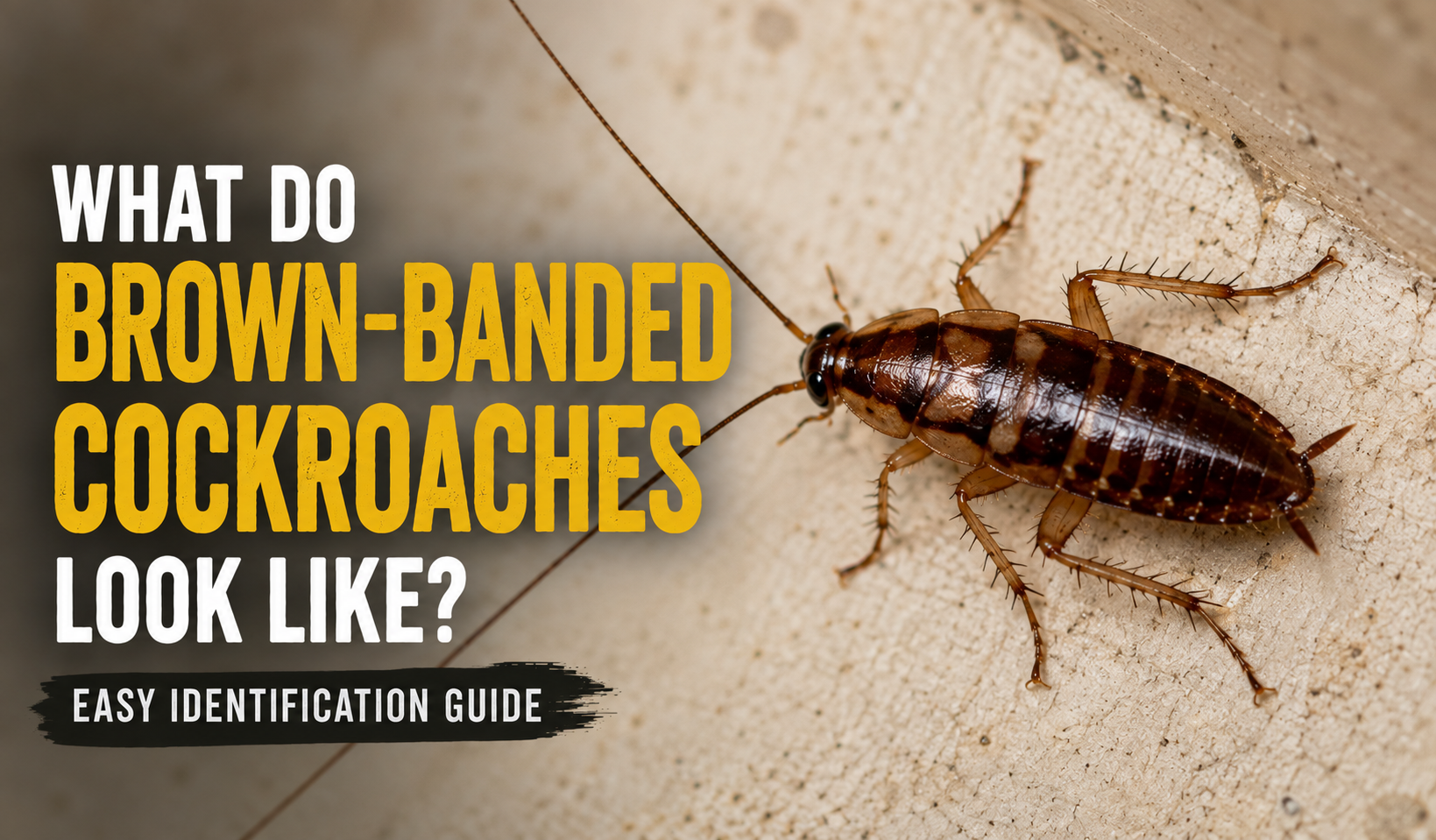

What Happens if a Cicada Lands on You?
Usually, nothing harmful happens. It may cling for a moment, crawl around, or fly away once it gets its bearings.
If you do not want it on you, move slowly. Sudden swatting can hurt the cicada or make it tumble into your clothing. A gentle flick, a piece of paper, or an open hand can guide it onto a nearby branch.
Are Cicadas Dangerous to Trees?
Cicadas are not dangerous to most mature trees, but they can injure small twigs when females lay eggs. The injury can leave brown clusters of leaves hanging from branch tips, a symptom called flagging.
They do not chew up leaves or strip a tree bare like grasshoppers or true locusts. The greatest concern is for newly planted fruit trees, young ornamental trees, grapevines, and nursery stock with lots of small branches.
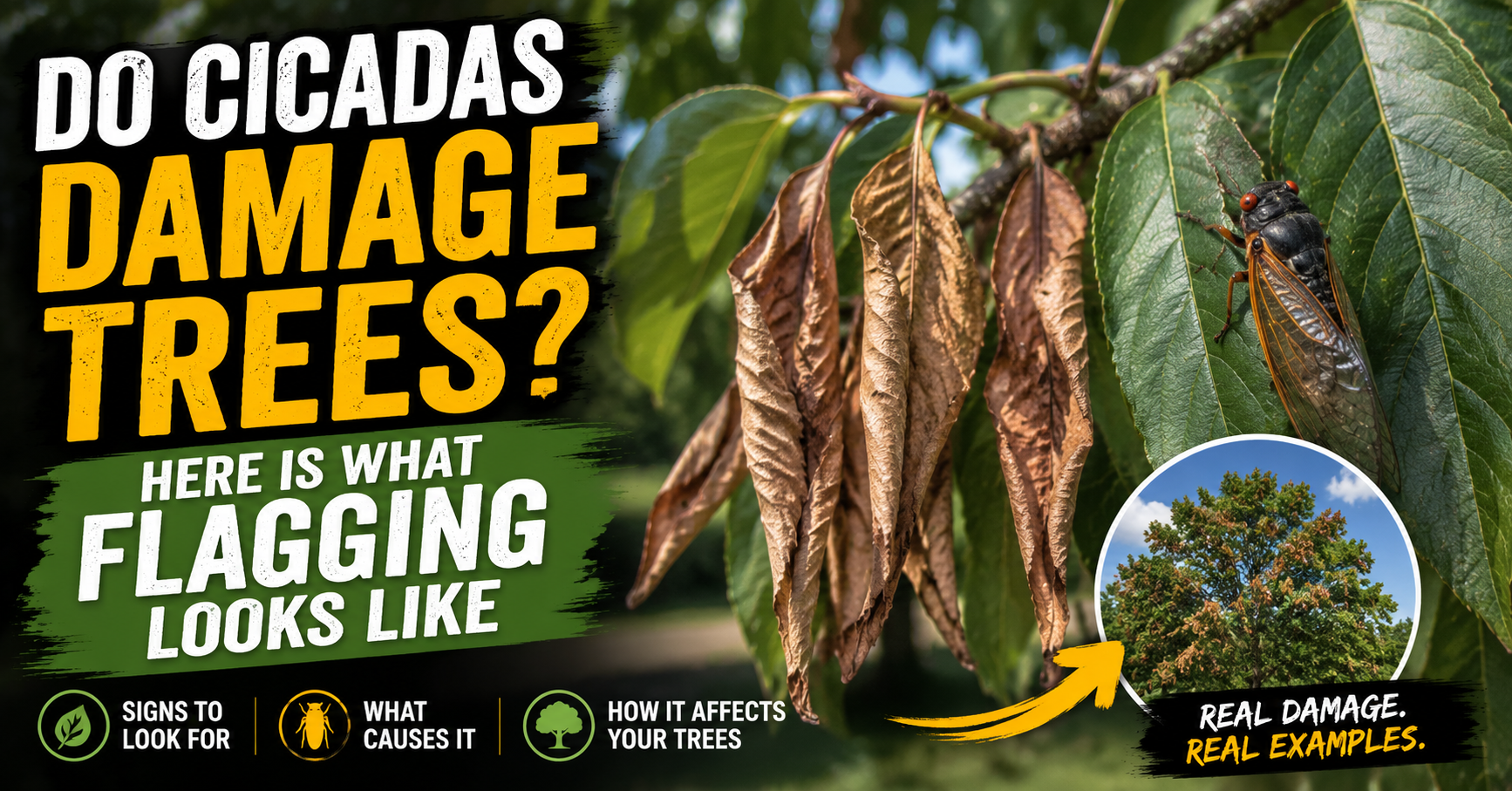
If you are seeing brown branch tips after cicadas appeared, this guide to recognizing cicada flagging on trees will help you tell it apart from disease or leaf-eating damage.
What Should You Do About Cicadas Around Your House?
Most people do not need to do anything. Cicadas are temporary outdoor visitors, and the adults usually disappear within a few weeks.
If one gets inside, catch it with a cup and paper and release it outdoors. If shed skins collect around a porch or patio, sweep them up whenever they become annoying.
There is no reason to use indoor insecticides, bug bombs, or routine yard sprays for cicadas. Those products will not stop the seasonal noise and can harm beneficial insects around your home.
Frequently Asked Questions
Can a cicada bite hard enough to break skin?
No. Cicadas are not known for biting people or breaking skin. Their mouthpart is made to feed from plants, not to attack.
Do cicadas sting when they land on you?
No. Cicadas have no stinger. Their feet can feel scratchy when they cling to skin or clothing, but they cannot sting.
Why did a cicada grab me?
It was likely using its feet to hold on. Cicadas grip tightly because they spend much of their adult life clinging to tree bark, branches, and leaves.
Can cicadas make dogs sick?
A dog that eats one or two cicadas will usually be fine. Eating many may cause stomach upset because of their tough outer shells.
Do cicadas attack people?
No. Cicadas do not attack people. They may fly into someone by accident, especially during a large emergence.
Are cicadas poisonous?
Cicadas are not poisonous or venomous. They are not a normal poisoning risk for people, dogs, or cats.
Caleb Warren is a longtime gardener and backyard insect researcher who writes practical pest guides for WhyDoIHaveBugs.com, helping homeowners identify insects accurately before choosing a treatment.