
Finding a carpet beetle in your bedroom can feel a little unsettling.
You expect to see them in an old storage room or maybe tucked away in an attic.
Your bedroom?
Not so much.
The good news is that carpet beetles aren’t in your bedroom because they’re interested in you.
They’re there because bedrooms often contain many of the exact things carpet beetle larvae need to survive.
Once I realized that, the bedroom suddenly made a lot more sense.
Your Bedroom Has More Food Sources Than You Think
Most people hear “food” and immediately think about crumbs.
Carpet beetles aren’t looking for your snacks.
They’re looking for natural materials.
A typical bedroom may contain:
- Clothing.
- Blankets.
- Pillows.
- Rugs.
- Upholstered furniture.
- Pet hair.
- Dust.
- Lint.
When enough of those things collect in quiet places, carpet beetle larvae have everything they need to grow.

Closets Are Often the Real Reason
If I found carpet beetles in my bedroom, the closet would probably be the first place I’d inspect.
Closets usually contain clothing that isn’t worn every day.
Winter coats.
Sweaters.
Scarves.
Stored blankets.
Those items often remain untouched for months, giving carpet beetles plenty of time to complete part of their life cycle unnoticed.

If you’ve already noticed activity there, Why Are Carpet Beetles in My Closet? Common Causes and Solutionsexplains what I’d check first.
Don’t Ignore What’s Under the Bed
When was the last time you looked underneath your bed?
For many people…
It’s been a while.
That space often collects:
- Dust.
- Hair.
- Pet fur.
- Lint.
- Lost socks.
- Forgotten storage boxes.
It’s dark, quiet, and rarely disturbed, making it one of the first places I’d inspect if carpet beetles showed up in the bedroom.
Bedding Isn’t Always the Problem
People often assume carpet beetles are living inside the sheets.
Sometimes they’re nearby instead.
The insects may be developing underneath the bed, inside the carpet, in stored blankets, or inside the bedroom closet while the adult beetles simply wander across the bed as they explore the room.
That’s why it’s important to inspect the entire bedroom instead of focusing on one piece of furniture.



If You Have Pets, Check Their Favorite Sleeping Spot
If your dog or cat sleeps in the bedroom, don’t forget to inspect the pet bed too.
Pet hair naturally builds up in and around pet bedding, creating one more place where carpet beetle larvae may find food.

I recently put together a guide explaining whether carpet beetles can live in pet beds and why those areas deserve a closer look during an inspection.
Adult Carpet Beetles Often Wander Into Bedrooms
Not every carpet beetle you see in the bedroom actually developed there.
Adult carpet beetles can fly from room to room after emerging.
Sometimes they’re simply following light from a nearby window.
Other times they’re searching for a place to lay eggs.
If you’ve seen one crawling across the wall or windowsill, it doesn’t necessarily mean the infestation started in your bedroom.

My article Do Carpet Beetles Fly? What Most Homeowners Don’t Realize explains why adults often appear in unexpected places.
Windows Can Be a Clue Too
If your bedroom has several windows, don’t be surprised if that’s where you first notice adult carpet beetles.
Adults are naturally drawn toward light and often end up crawling across windows or resting on the windowsill after flying indoors.
That doesn’t necessarily mean they’re living inside the window frame.
More often, they’re trying to find a way back outside.

If you’ve noticed that pattern, Why Are Carpet Beetles on My Windows? Here’s What It Usually Means explains what’s usually happening.
Start With the Areas You Rarely Clean
If I had to inspect a bedroom today, I wouldn’t begin in the middle of the floor.
I’d start with the places that almost never get disturbed.
That includes:
- Under the bed.
- Behind the nightstands.
- Inside the bedroom closet.
- Under area rugs.
- Behind dressers.
- Inside storage containers.
- Around baseboards.
- Under pet beds.
Those quiet areas often tell the real story.


Don’t Panic Over One Beetle
Finding a single carpet beetle doesn’t automatically mean your bedroom is infested.
Sometimes an adult simply flies into the room while wandering through the house.
What would concern me is seeing them repeatedly.
If you notice carpet beetles every few days, find larvae, discover shed skins, or start seeing damage to natural-fiber items, that’s when I’d spend more time inspecting the room.
Cleaning the Bedroom Helps More Than You Might Think
One thorough cleaning won’t eliminate every carpet beetle.
But consistent cleaning removes many of the things the larvae depend on.
When I clean a bedroom after finding carpet beetles, I don’t just vacuum the open floor.
I’d also vacuum:
- Under the bed.
- Around furniture legs.
- Along baseboards.
- Inside the closet.
- Under rugs.
- Around pet bedding if there is any.
That removes hair, lint, shed skins, and many of the hidden food sources that allow larvae to keep developing.

I explain why I consider vacuuming one of the most important steps in Best Vacuum for Carpet Beetles Why Powerful Suction Matters.
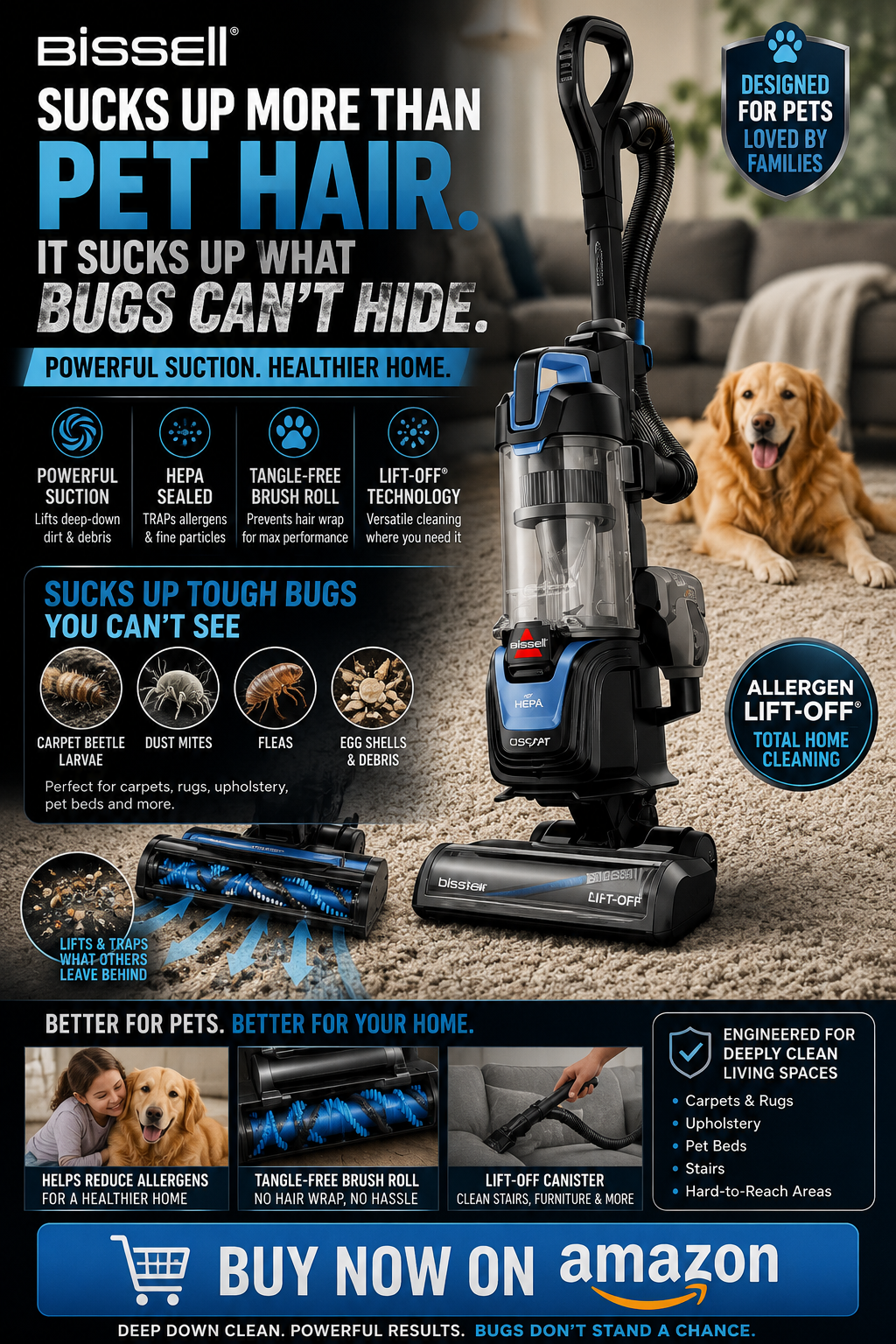
If you’re looking for one, the Bissell Pet Hair Eraser Allergen Lift-Off is still my favorite because it has excellent suction and the detachable pod makes cleaning under beds, furniture, mattresses, and closets much easier than a standard upright vacuum.



Sometimes You Need More Than Cleaning
If you’re still finding larvae or adult carpet beetles after a thorough cleaning, it may be time to add a carpet beetle treatment to your plan.
I always recommend cleaning first because removing the food sources is what really interrupts the life cycle.

After that, a labeled indoor spray can help treat cracks, baseboards, closet edges, and other places where carpet beetles continue hiding. For this treatment step, Ortho Home Defense spray is relevant to indoor and perimeter applications.
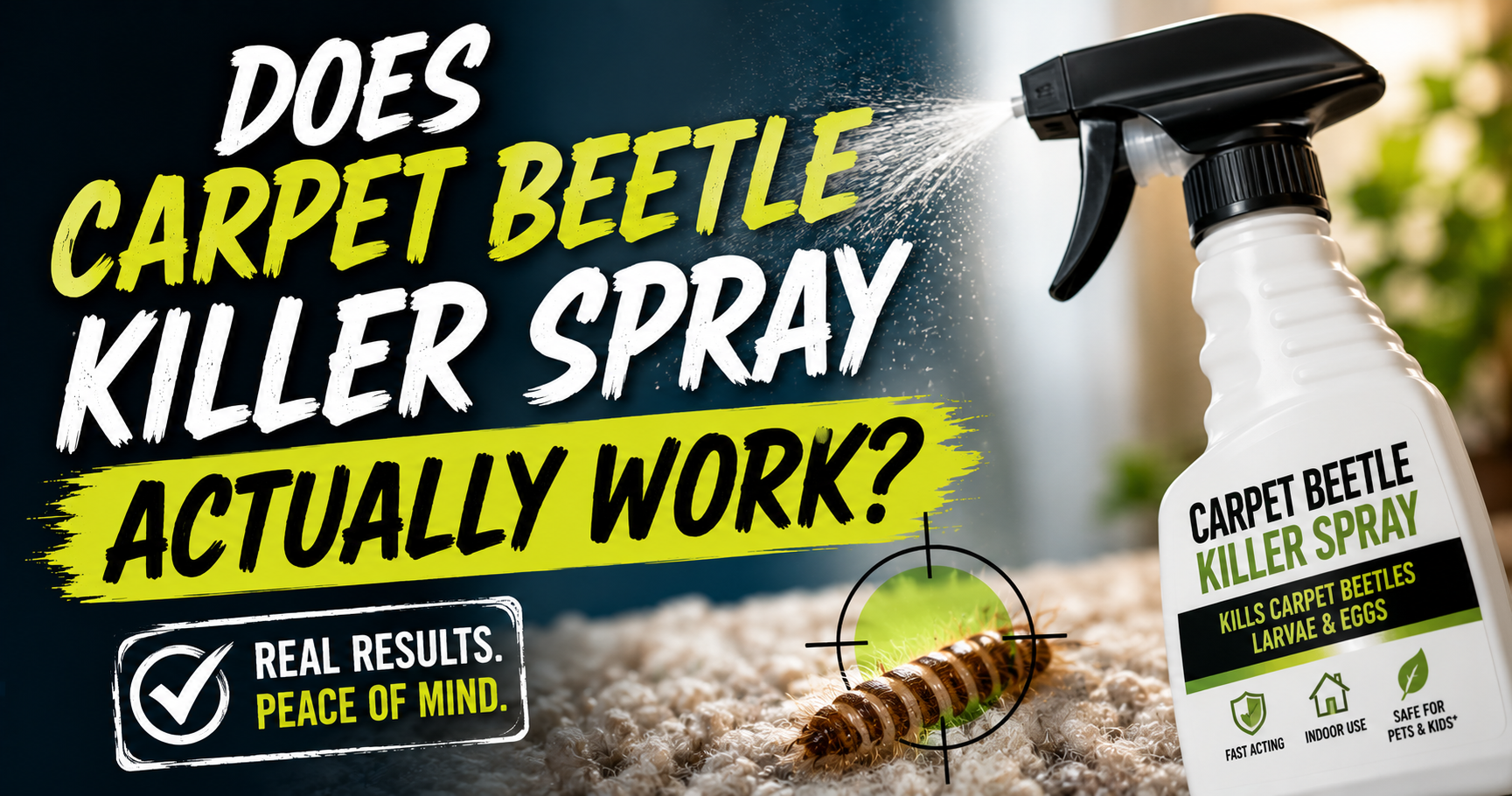
Before buying anything, I’d read Does Carpet Beetle Killer Spray Actually Work? so you know what to realistically expect.

If you decide a spray is right for your situation, the Carpet Beetle Killer Spray for Indoor Use is formulated specifically for carpet beetles and their larvae when used according to the label.
What I’d Do If Carpet Beetles Showed Up in My Bedroom
The first thing I’d do is slow down and inspect the room instead of assuming the worst.
I’d check the closet.
Look underneath the bed.
Inspect blankets, rugs, and any upholstered furniture.
Then I’d vacuum thoroughly and keep monitoring the room over the next few weeks.
Most bedroom infestations don’t start in plain sight.
They’re usually hiding somewhere you’ve walked past dozens of times without ever thinking to look.
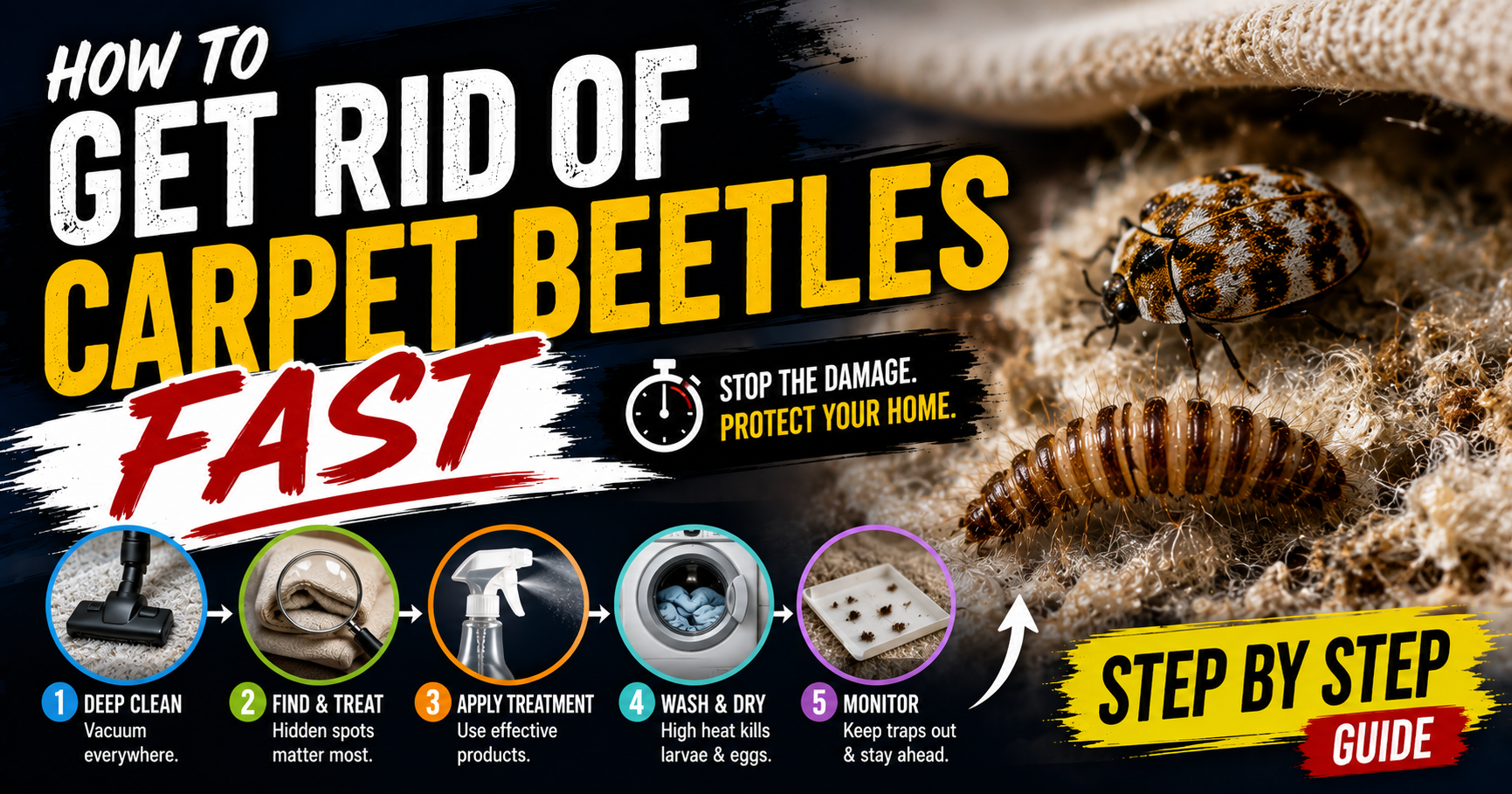
If you’re trying to eliminate carpet beetles throughout your home, my step-by-step guide to getting rid of carpet beetles fast walks through the same process I’d follow from inspection to prevention.
For more identification guides, treatment advice, and prevention tips, browse our growing Carpet Beetles category.
Frequently Asked Questions
Why are carpet beetles only in my bedroom?
Bedrooms often contain clothing, blankets, rugs, closets, and upholstered furniture that provide food and shelter for carpet beetle larvae. Sometimes adults are simply wandering into the room from another part of the house.
Can carpet beetles live under a bed?
Yes. The space under a bed often collects dust, lint, pet hair, and other organic debris while remaining dark and undisturbed, making it an attractive place for larvae to develop.
Should I be worried if I find one carpet beetle in my bedroom?
Not necessarily. A single adult carpet beetle may have simply wandered into the room. Repeated sightings, larvae, shed skins, or damage to natural-fiber items are stronger signs that you should inspect more carefully.
Can carpet beetles get into bedroom furniture?
Yes. Upholstered headboards, chairs, benches, and other furniture can provide hiding places if enough lint, pet hair, and natural debris accumulate over time.
How do I keep carpet beetles out of my bedroom?
Vacuum regularly, inspect closets and stored fabrics, wash blankets before long-term storage, reduce lint and pet hair, and periodically check under furniture and along baseboards for early signs of activity.
About the Author
Ryan Mitchell researches household pests and writes practical guides that help homeowners understand where insects hide, why they appear, and how to solve pest problems with straightforward, realistic advice rather than guesswork.