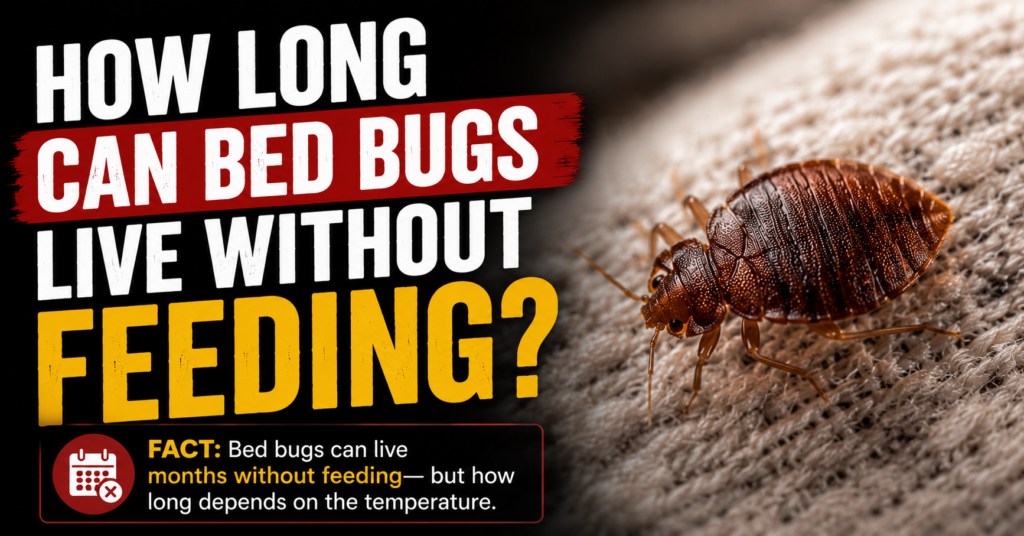
One of the biggest myths I hear is that bed bugs will eventually die if you simply stop sleeping in the room.
I understand why people hope that’s true.
If bed bugs need blood to survive, it seems logical that leaving the room vacant would eventually solve the problem.
Unfortunately, bed bugs are much tougher than most people realize.
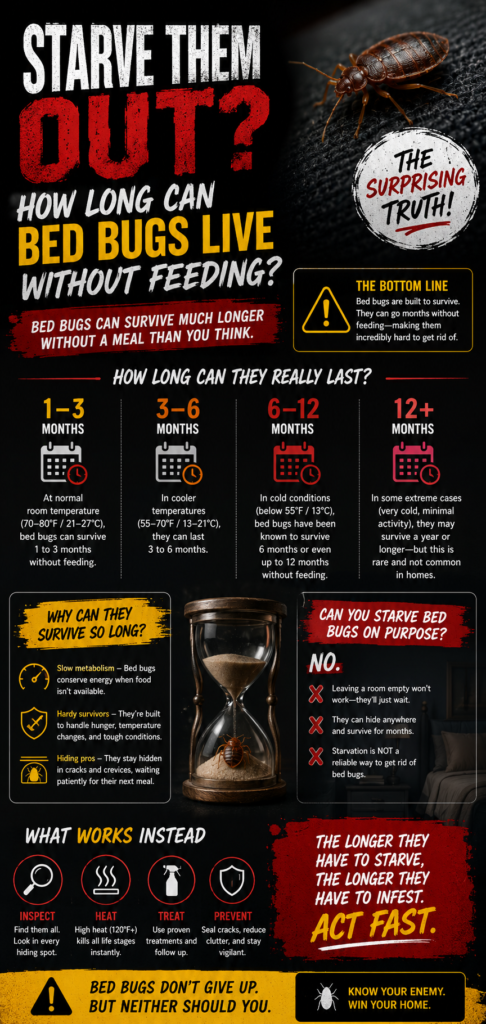
Depending on their life stage and the surrounding conditions, bed bugs can survive for surprisingly long periods without feeding.
That’s one reason I rarely recommend trying to “starve them out.”
Sarah’s First Impression
Whenever someone asks me how long bed bugs can live without feeding, I know they’re usually asking a different question.
They’re really asking:
“Can I just wait them out?”
In almost every situation, my answer is the same.
I wouldn’t.
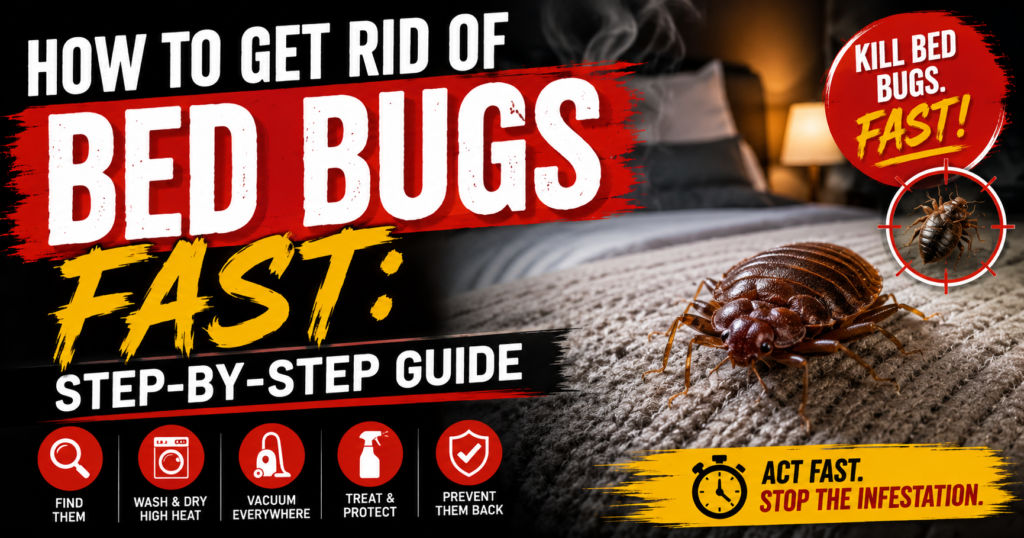
Waiting often gives bed bugs more time rather than solving the problem. A more active response is outlined in How to Get Rid of Bed Bugs Fast: Step-by-Step Guide, which emphasizes identifying the problem before choosing a treatment strategy.
Why Bed Bugs Can Survive So Long
Bed bugs are built for survival.
Unlike insects that must feed constantly, bed bugs digest a blood meal slowly and conserve energy while hiding.
Most of the day they remain tucked inside narrow cracks and crevices where they’re protected from light, disturbance, and drying out.
That’s one reason homeowners often believe the bugs have disappeared when they’re actually still hiding nearby.
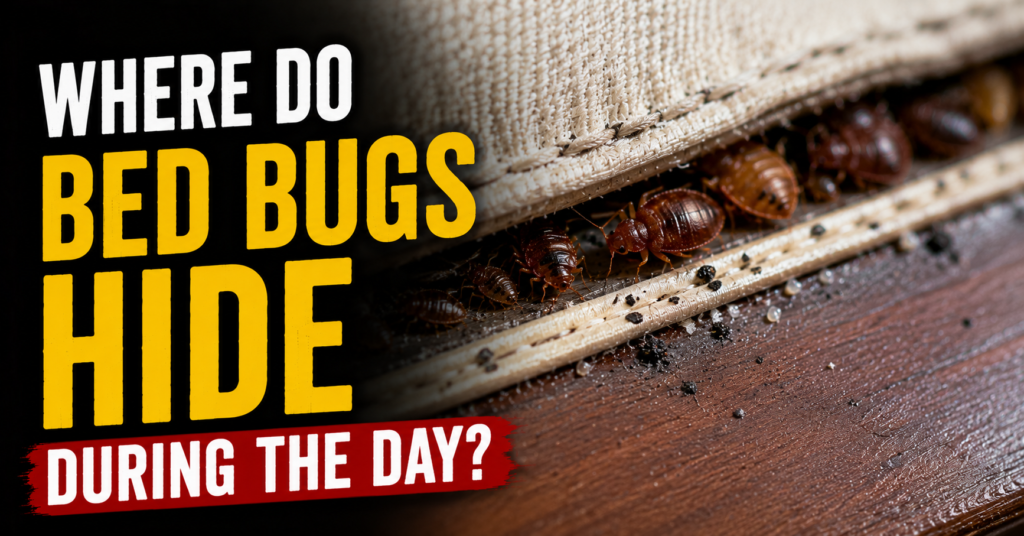
Our guide on where bed bugs hide during the day explains the places I inspect first when I suspect an infestation.
Temperature Makes a Big Difference
One thing many websites don’t explain well is that survival depends on conditions.
Temperature plays a major role.
In general:
- Cooler temperatures can slow a bed bug’s metabolism.
- Warmer conditions often increase activity and feeding needs.
That means there isn’t one exact survival time that applies to every situation.
Life stage, temperature, and overall conditions all influence how long an individual bed bug may survive without another blood meal.
Does Leaving the Bedroom Help?
Many homeowners move into another room hoping the bed bugs will simply die.
Unfortunately, that strategy often backfires.
Bed bugs are capable of following a host into another sleeping area, especially if the infestation continues growing.
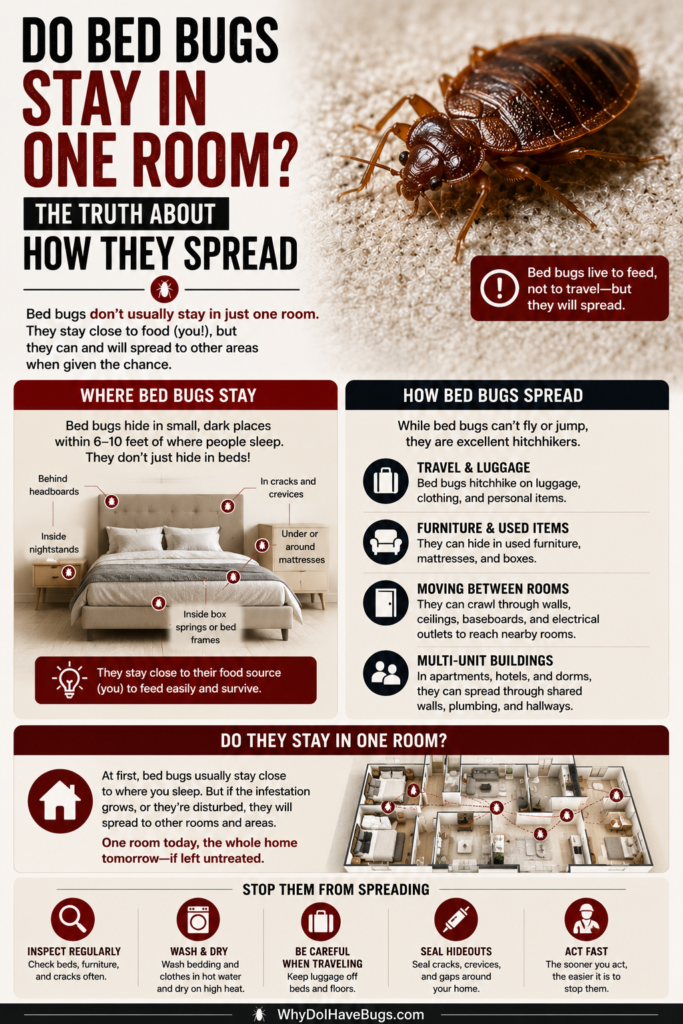
Our article on whether bed bugs stay in one room or spread through the house explains why changing bedrooms isn’t usually the solution people hope it will be.
What If You Leave the House?
I’ve also heard people ask whether moving out for a few weeks will eliminate bed bugs.
In most situations, I wouldn’t count on that.
Bed bugs are well adapted to surviving periods without feeding.
Simply leaving the home vacant isn’t a reliable treatment strategy.
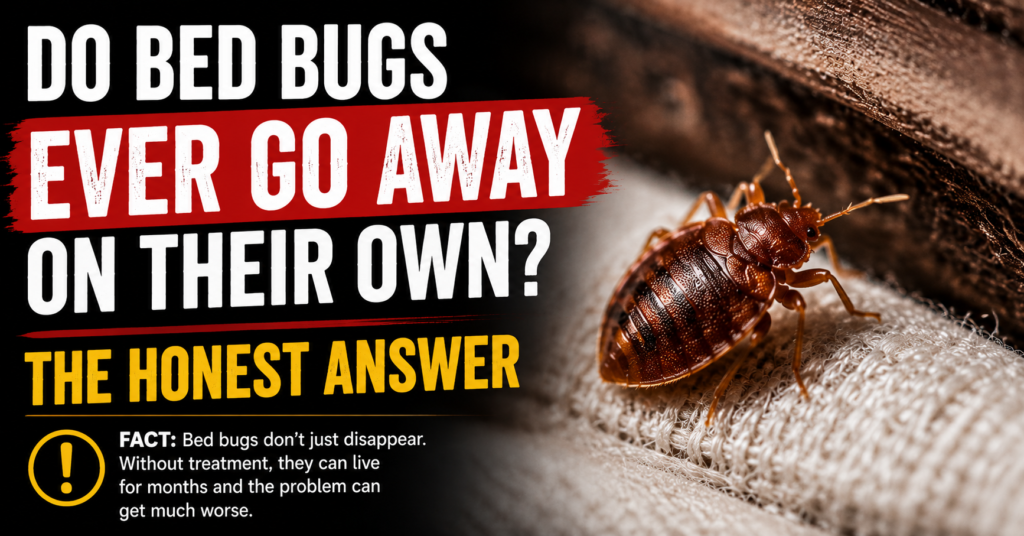
That’s one reason our guide on whether bed bugs ever go away on their own recommends early inspection and treatment instead of waiting.
What I’d Check Before Assuming They’re Gone
If someone told me they hadn’t seen bed bugs for several weeks, I still wouldn’t assume the infestation had ended.
I’d inspect:
- Mattress seams.
- Box spring.
- Bed frame.
- Headboard.
- Nearby furniture.
- Baseboards.
If I continued finding evidence, I’d know the infestation was still active even without recent bites.

The Biggest Myth I Hear
One myth I hear constantly is:
“If I stop getting bitten, the bed bugs must have died.”
Not necessarily.
Some people don’t react to every bite.
Others experience delayed skin reactions.
And bed bugs may simply remain hidden between feedings.
That’s why I rely on inspections instead of assumptions.
What If You Only Found One Bed Bug?
Finding one bed bug doesn’t automatically mean you’ve discovered a long-established infestation.
Sometimes a single hitchhiker arrives in luggage or clothing.
Other times, it’s the first visible sign of a larger problem.
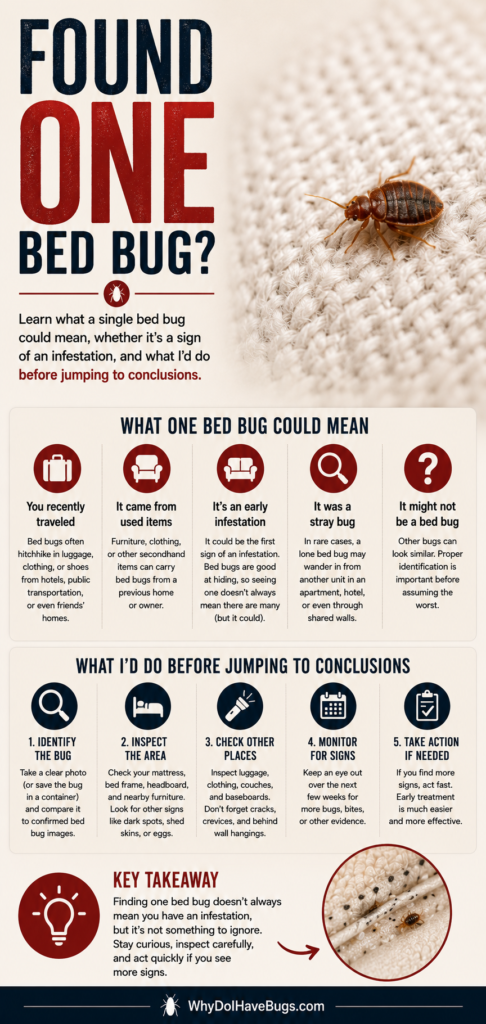
Our article on what finding one bed bug really means explains how I evaluate that situation before jumping to conclusions.
What I Would Do If This Were My House
If this were my house, I wouldn’t spend months hoping bed bugs would starve.
I’d spend that time inspecting carefully.
I’d look for eggs, shed skins, and hiding places.
The sooner I understood what I was dealing with, the sooner I could stop the infestation from growing.
Products That Can Help

If bed bugs have been confirmed, one of the first products I recommend is a SureGuard Mattress Encasement. It helps eliminate one of the insects’ favorite hiding places while making future inspections much easier.
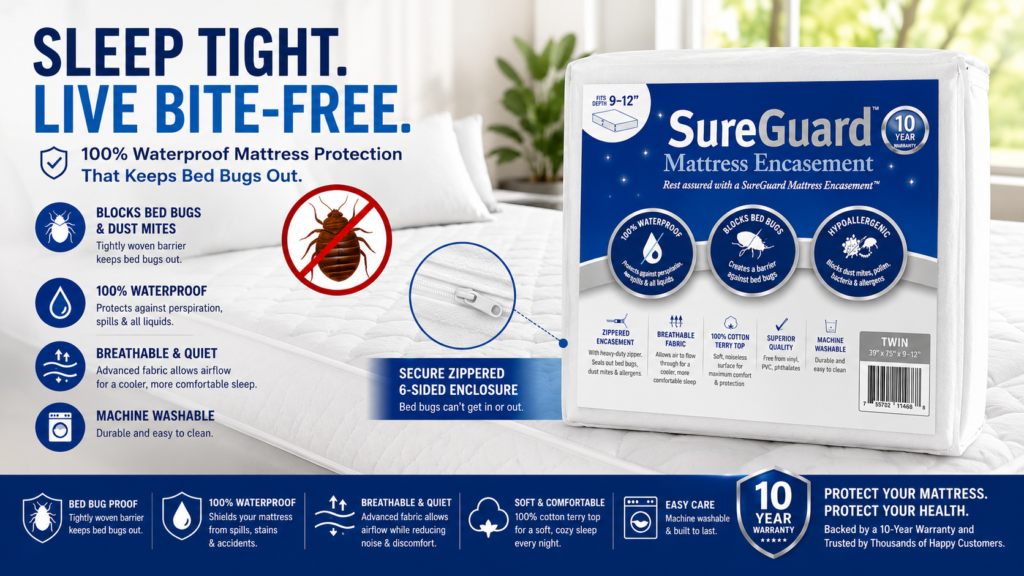
If you’re considering one, read our guide on whether mattress encasements really work for bed bugs before making a decision.
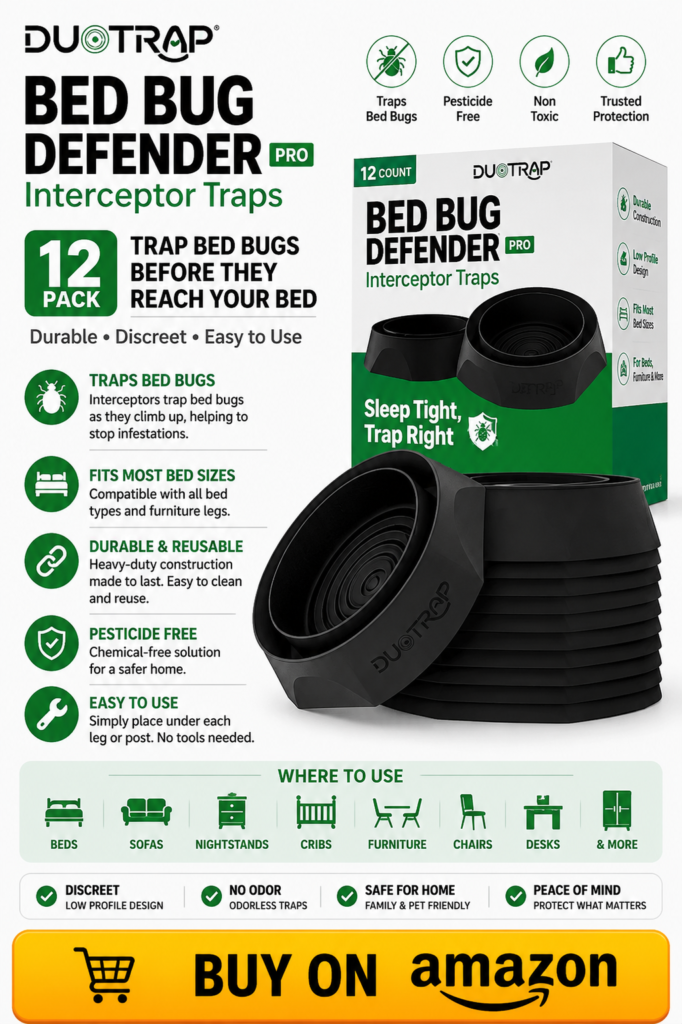
To monitor activity over time, many homeowners also use bed bug interceptor cups. Our review of bed bug interceptor cups explains why they’re one of the easiest ways to determine whether bed bugs are still active.
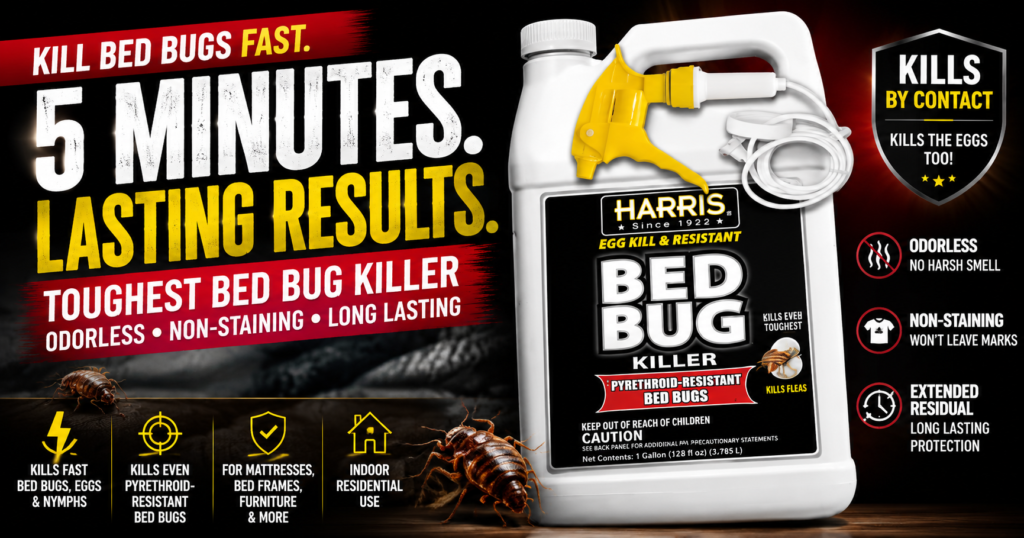

If treatment is necessary, many homeowners also choose Harris Toughest Bed Bug Killer. We explain where it fits into a complete treatment plan in our review of Harris Toughest Bed Bug Killer.



Frequently Asked Questions
Can bed bugs survive for months without feeding?
Yes. Depending on conditions such as temperature and life stage, bed bugs can survive for extended periods without a blood meal.
Will leaving my house get rid of bed bugs?
Usually not. Vacating a home for a short time is generally not an effective way to eliminate an infestation.
Do bed bugs die if nobody sleeps in the bed?
Not immediately. They are capable of surviving without feeding for much longer than many people expect.
Can bed bugs sense when people return?
Bed bugs respond to cues such as body heat and carbon dioxide, which help them locate a host when one is nearby.
Should I wait to see if bed bugs disappear?
I wouldn’t. Early inspection and treatment are generally much more effective than hoping the infestation resolves on its own.
About the Author
Sarah Bennett researches bed bugs, household pests, and practical home inspection methods. She specializes in helping homeowners understand bed bug behavior, recognize early warning signs, and make informed decisions based on evidence instead of common myths.