
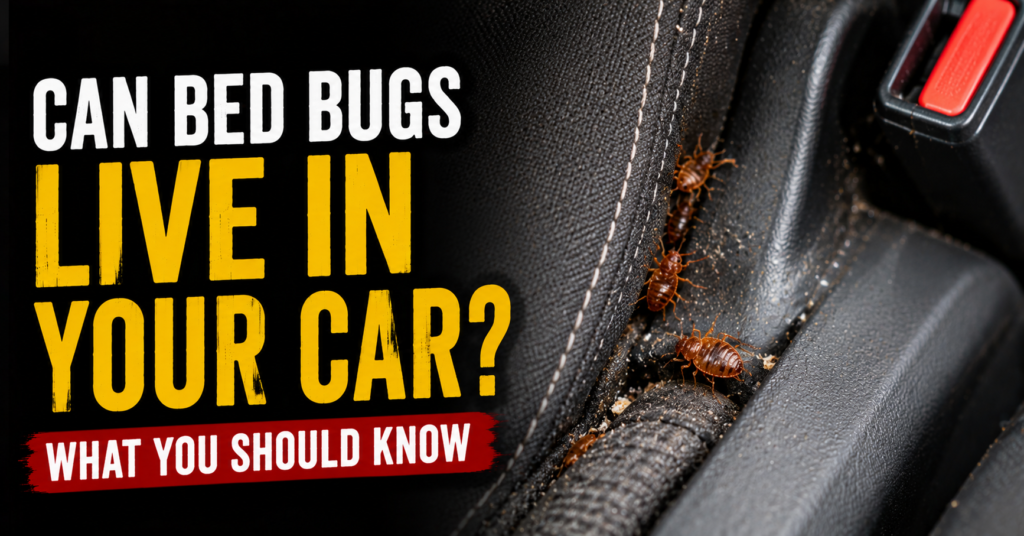
One of the questions I hear after someone discovers bed bugs at home is, “Should I be worried about my car too?”
It’s a fair question.
If you’ve been driving to work, taking kids to school, or coming home from a hotel where you suspect bed bugs, it’s easy to wonder if they hitched a ride in your vehicle.
The short answer is yes.
Bed bugs can live in a car.
The better question is whether your car is actually a good place for them to survive long term.
In many situations, the answer is no.
Sarah’s First Impression
When someone tells me they think their car has bed bugs, the first thing I ask is why.
Did they actually find a bug in the vehicle?
Or are they simply worried because they recently discovered bed bugs at home?
Those are two very different situations.
I never assume a vehicle is infested without evidence.
Instead, I look for clues that tell me whether the bugs were likely transported there or actually hiding there.

How Do Bed Bugs Get Into Cars?
Bed bugs don’t drive themselves into your vehicle.
People bring them.
The most common ways include:
- Luggage after travel
- Backpacks
- Purses
- Laptop bags
- Clothing
- Blankets
- Child car seats
- Moving boxes
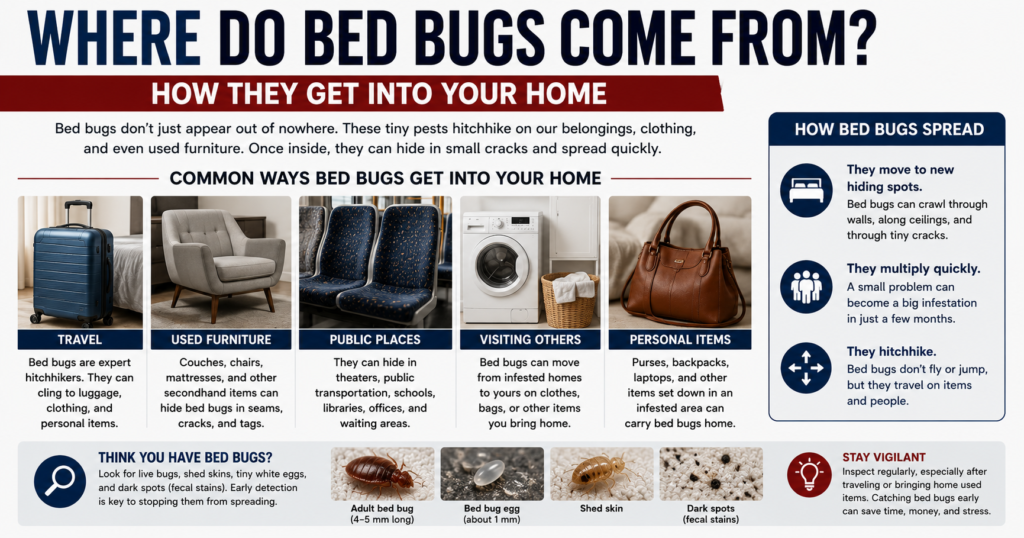
Bed bugs are excellent hitchhikers. Their hitchhiking behavior is central to understanding Where Do Bed Bugs Come From? How They Get Into Your Home.
If one hides in a backpack or suitcase, it can easily end up in your car without you realizing it. Clothing and other soft items can create similar hitchhiking concerns, as explained in Can Bed Bugs Live in Clothes? What You Need to Know.
That’s one reason I always recommend inspecting travel items before bringing them into your home.



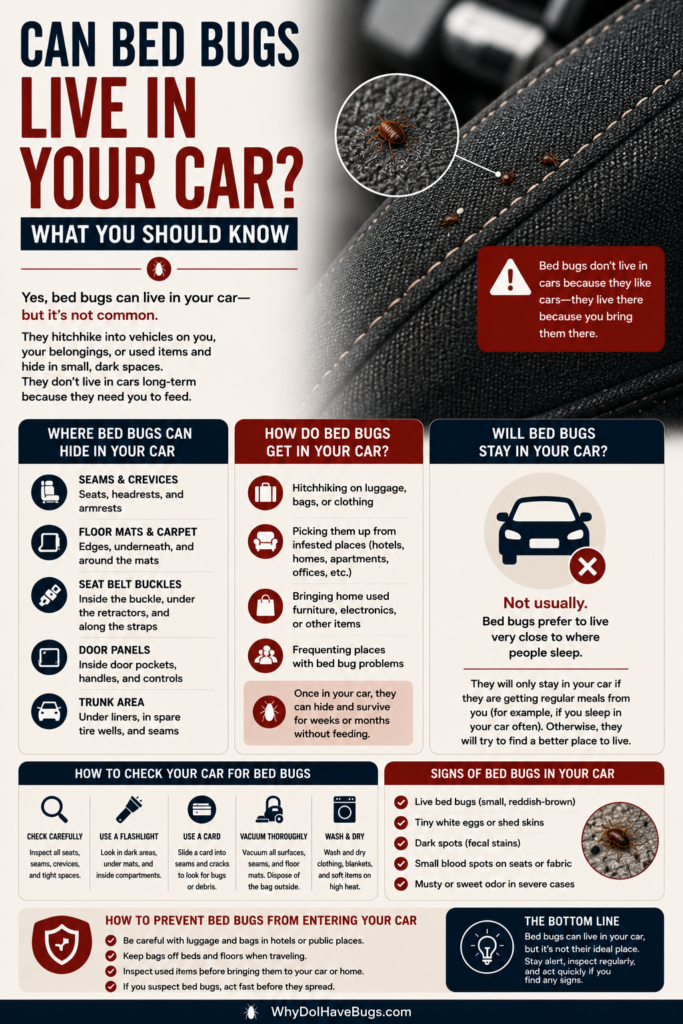
Can Bed Bugs Live in Car Seats?
Yes.
Car seats have seams, stitching, folds, and tight spaces that bed bugs can use as temporary hiding places.
If I were inspecting a vehicle, I’d pay close attention to:
- Seat seams
- Seat belt openings
- Fabric folds
- Under the seats
- Seat tracks
- Floor mats
- Center console gaps
These protected spaces are much more likely to hide bed bugs than flat, exposed surfaces.
Do Bed Bugs Stay in Cars Permanently?
Usually not.
Unlike a bedroom, a car doesn’t provide consistent access to a sleeping person.
Bed bugs prefer to stay close to their food source.
Because people typically spend only short periods inside a vehicle, cars are often temporary hiding places rather than permanent homes.
That said, if a vehicle is used frequently and bed bugs continue being introduced, they can survive there longer than many people expect.


Can Bed Bugs Lay Eggs in a Car?
They can.
If bed bugs remain hidden inside a vehicle long enough, females may lay eggs in protected areas.
Those eggs are tiny and easy to overlook.
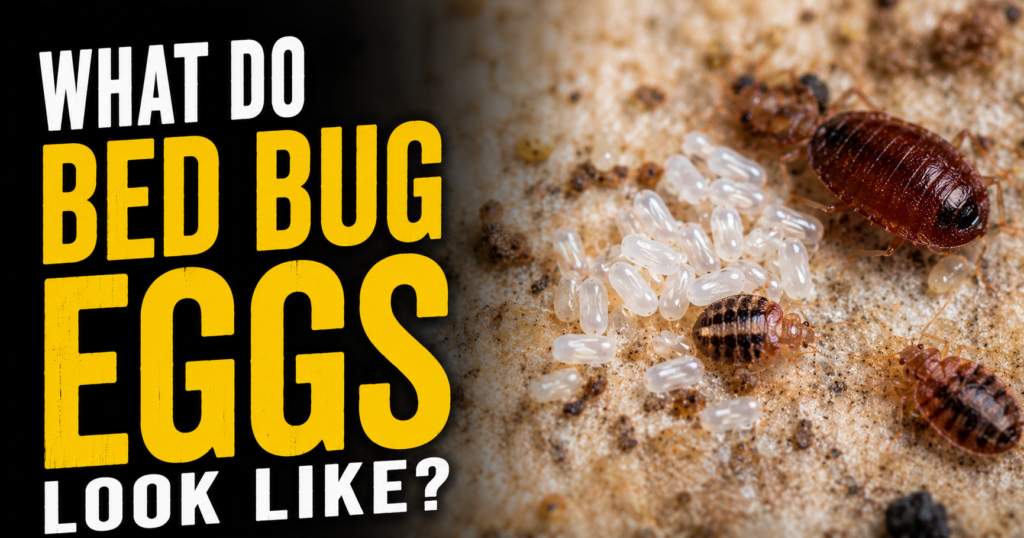
If you’re inspecting your vehicle, it’s helpful to know what bed bug eggs really look like so you don’t mistake lint or debris for something more serious.
What I’d Check First
If you asked me to inspect your car today, this is the order I’d follow.
- Front seat seams.
- Rear seat seams.
- Seat belt anchors.
- Under the seats.
- Floor mats.
- Trunk carpeting.
- Spare tire compartment.
- Bags or personal belongings left in the vehicle.
Most bed bugs aren’t sitting out in the open.
They’re tucked into small protected spaces.



Could Bed Bugs Spread From Your Car Back Into Your House?
Yes.
If bed bugs are hiding in backpacks, coats, luggage, or blankets stored in the vehicle, they can easily be carried back indoors.
That’s why I recommend inspecting personal items instead of focusing only on the car itself.
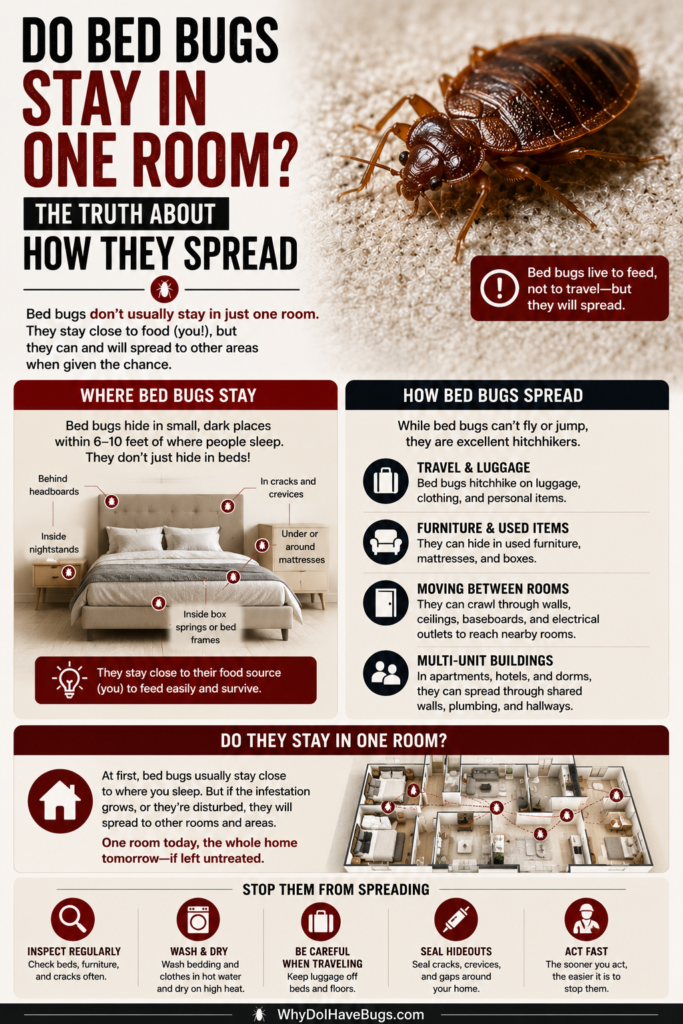
Our guide on whether bed bugs stay in one room or spread throughout a home explains how infestations often grow after bed bugs are unknowingly moved from one location to another.
What If You Already Have Bed Bugs at Home?
If you’ve confirmed an infestation inside your house, don’t ignore the vehicle.
I don’t automatically assume it’s infested, but I do inspect it.
Especially if you’ve been transporting:
- Bedding
- Laundry
- Luggage
- Overnight bags
- Clothing
The earlier you check, the less likely you are to accidentally move bed bugs back and forth.


How Can You Tell If Bed Bugs Are Still Active?
One thing I’ve learned is that homeowners often stop looking too soon.
If you’re treating your home, continue monitoring activity.
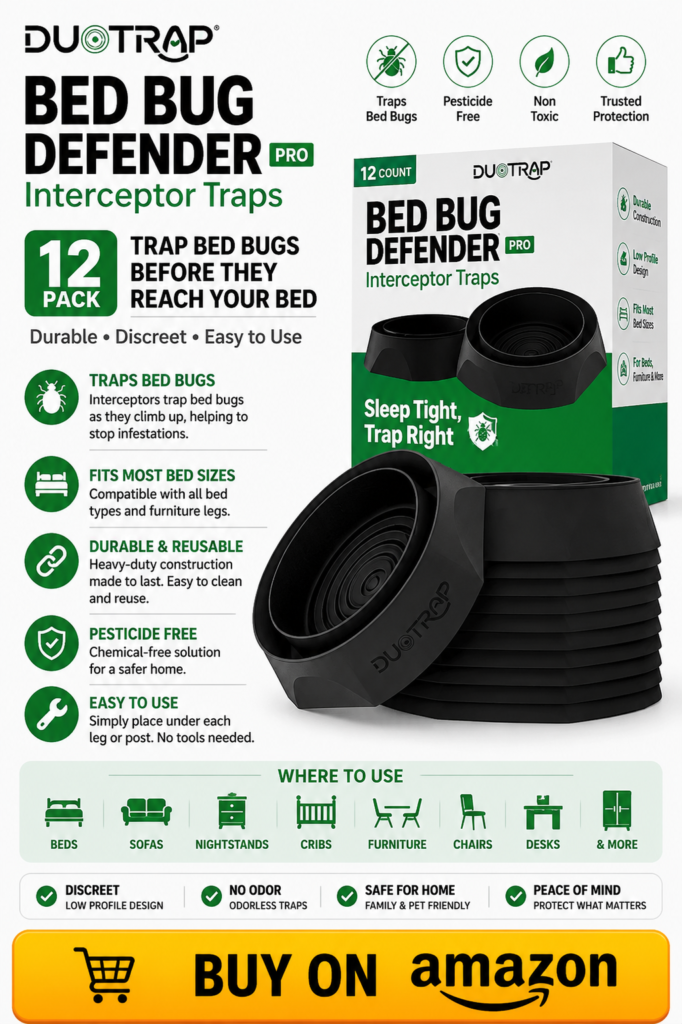
Many people use bed bug interceptor cups under the legs of their bed to see whether bed bugs are still climbing onto the sleeping area.
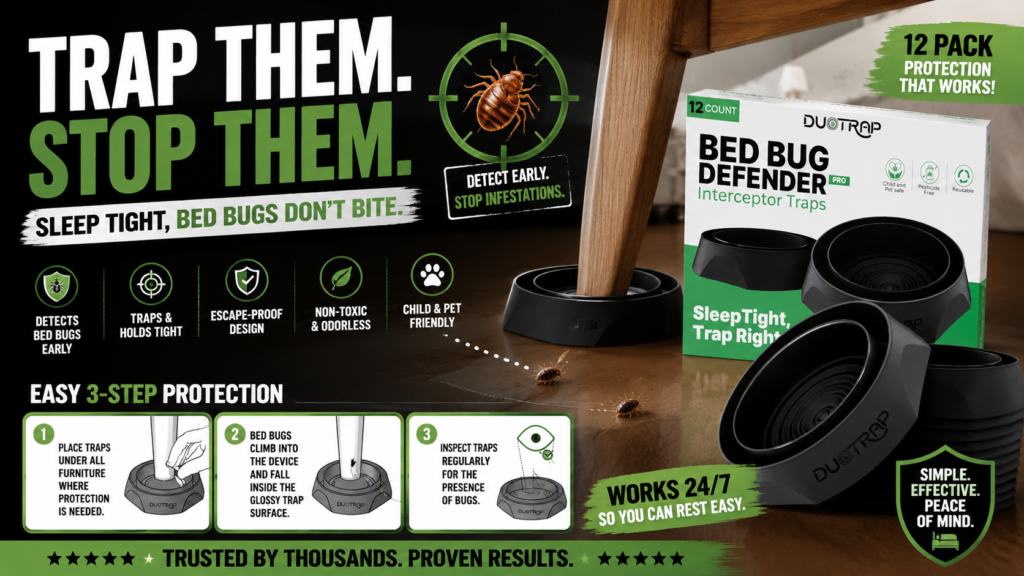
Our review of bed bug interceptor cups explains how they work and why they can provide peace of mind after treatment.
Products That Can Help
If bed bugs have been confirmed inside your home, I usually recommend focusing on the bedroom first because that’s where they’re most likely to be hiding.

Many homeowners install a SureGuard Mattress Encasement to eliminate one of the insects’ favorite hiding places and make inspections much easier.
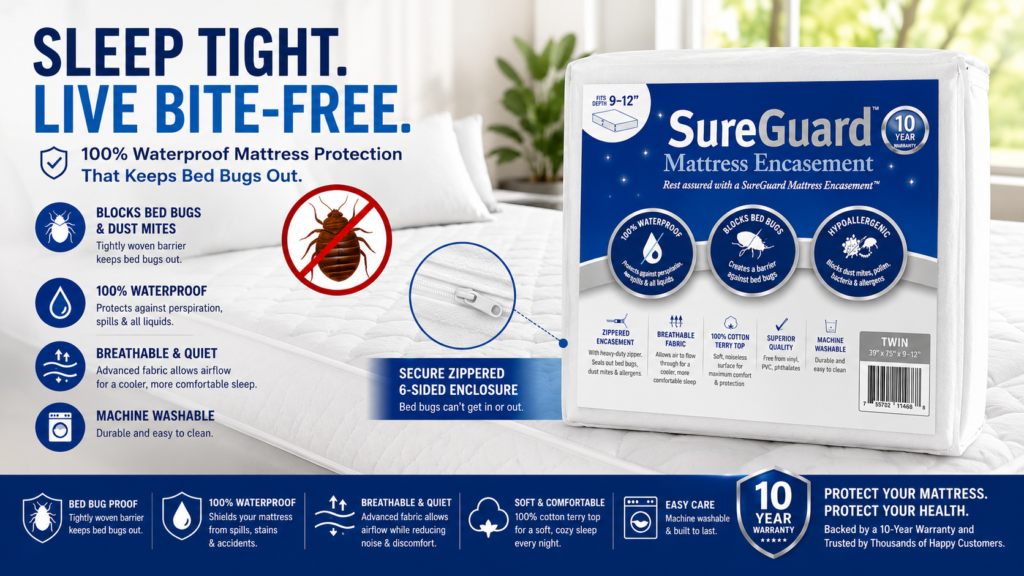
Before buying one, I recommend reading our guide on whether mattress encasements really work for bed bugs so you know exactly what they can and can’t do.

If treatment is necessary, many homeowners also use Harris Toughest Bed Bug Killer. We explain where it works well and where additional treatment methods may still be needed in our review of Harris Toughest Bed Bug Killer.


The Biggest Mistake I See
The biggest mistake I see is assuming every car that has transported someone with bed bugs automatically becomes infested.
That’s simply not true.
Bed bugs need access to a host, protected hiding places, and enough time to establish themselves.
A careful inspection is much more useful than jumping to conclusions.
If you find evidence in both your home and your vehicle, address both at the same time so you don’t accidentally reintroduce bed bugs after treatment.
Frequently Asked Questions
Can bed bugs survive in a hot car?
Extreme temperatures can affect bed bugs, but simply parking a car in the sun isn’t always enough to eliminate an infestation because temperatures vary throughout the vehicle.
Where do bed bugs hide inside a car?
They commonly hide in seat seams, under seats, seat tracks, floor mats, and other tight, protected spaces.
Can I bring bed bugs home from my car?
Yes. Bed bugs hiding in bags, clothing, or other belongings can be carried back into your home.
Should I throw away my car seats?
In almost every case, no. A careful inspection and appropriate treatment are usually much better options than replacing seats.
Is it common for bed bugs to live in vehicles?
It’s possible, but vehicles are generally considered temporary hiding places rather than ideal long-term habitats.
About the Author
Sarah Bennett researches bed bugs, home pest behavior, and practical inspection techniques. She focuses on helping homeowners understand how bed bugs spread, where they hide, and what steps actually make a difference when dealing with an infestation.