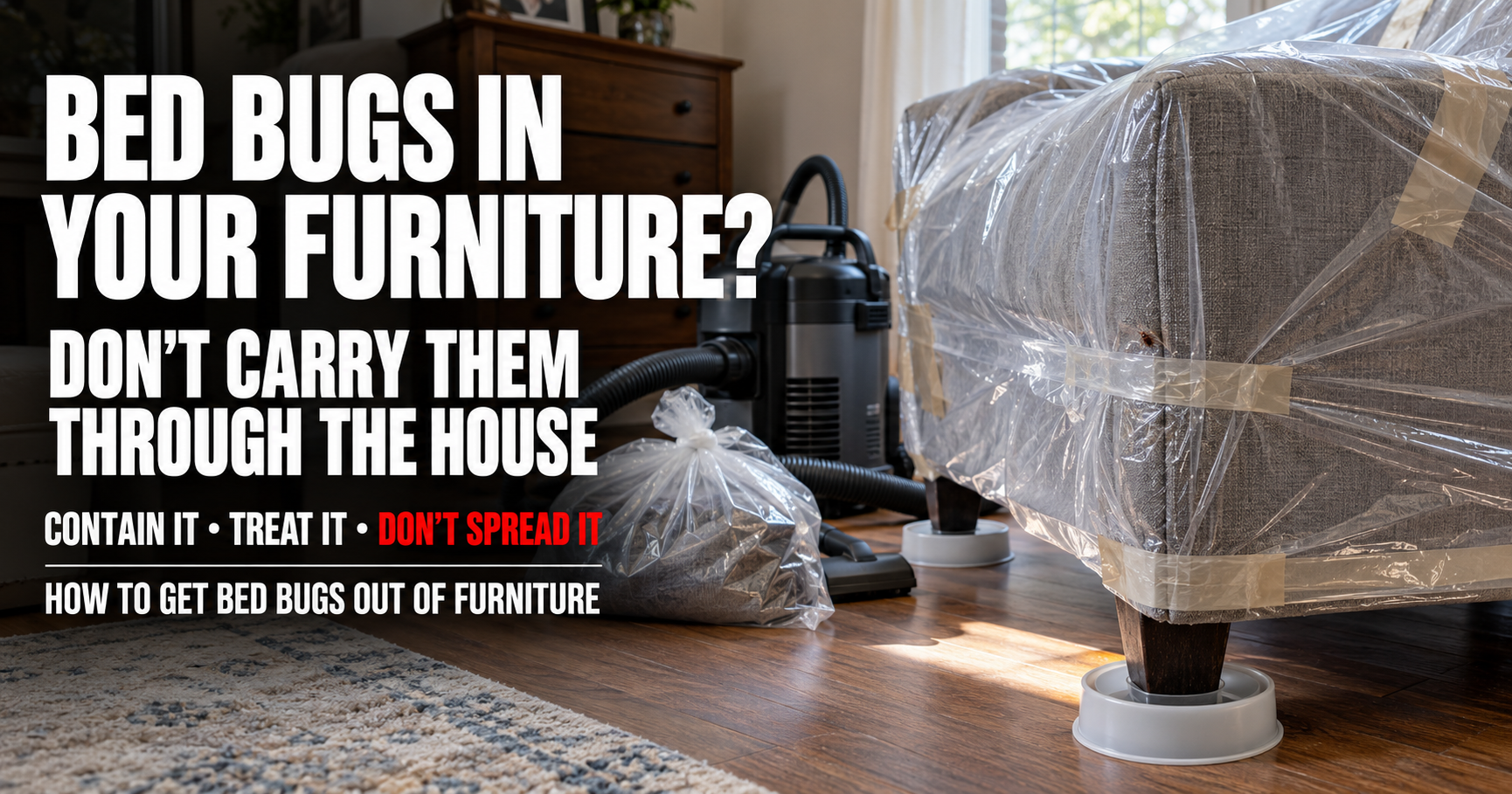
If you think bed bugs are in a couch, recliner, chair, bed frame, dresser, or other piece of furniture, do not drag it into another room or haul it outside right away. That is one of the fastest ways to scatter bed bugs through the house.
The safest first move is to leave the furniture where it is, reduce the chance of bugs hitchhiking away from it, and inspect it carefully before deciding whether you can treat it, isolate it, or need professional help. Furniture can usually be treated. Throwing it away is not automatically necessary, and doing it carelessly can pass the problem to somebody else.
Can Bed Bugs Live in Furniture?
Yes. Bed bugs can hide in many kinds of furniture, especially anything close to where a person sits or sleeps.
They squeeze into seams, folds, piping, screw holes, staple lines, drawer joints, cracks in wood, loose fabric, and the underside of furniture. Upholstered furniture gives them many hiding places, but a plain wooden bed frame or nightstand can hold bed bugs too.
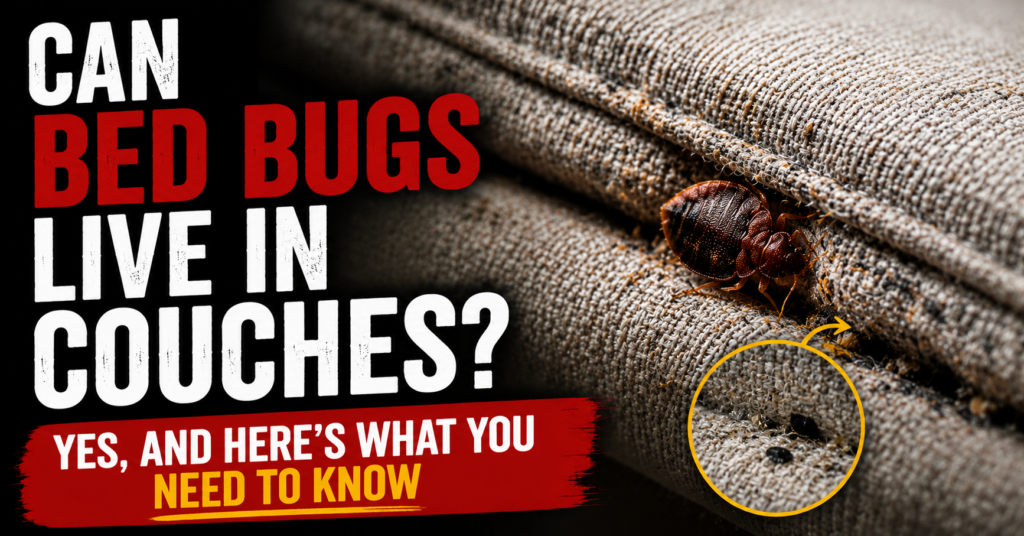
A couch is a common concern because people often nap, sleep, or spend long evenings there. If the problem is limited to one couch, start with this guide to bed bugs hiding in couches for the couch-specific hiding spots to inspect.
The important thing is not to assume that one bug near furniture means the furniture itself is the only source. Bed bugs may also be in the bed, nearby baseboards, laundry, clutter, or another room. A careful inspection helps you avoid treating only the most obvious item while leaving the rest of the problem untouched.



Do Not Move Infested Furniture Through the House
Do not move a suspected chair from the bedroom to the garage. Do not drag a couch to the curb uncovered. Do not carry dresser drawers through the house while clothes and loose items are still inside.
Bed bugs are good hitchhikers. A bug can fall from a seam, hide in a moving blanket, cling to a loose cushion, or end up in another room while you are trying to solve the problem.
Keep the furniture in the room where you found it until you have a plan. If an item must be moved, empty it carefully, bag removable contents before carrying them through the home, and avoid taking it through rooms that do not have signs of bed bugs.
This matters even more in apartments, duplexes, and shared housing. Moving an infested item through common areas can spread bed bugs to other people and make the original problem much harder to control.

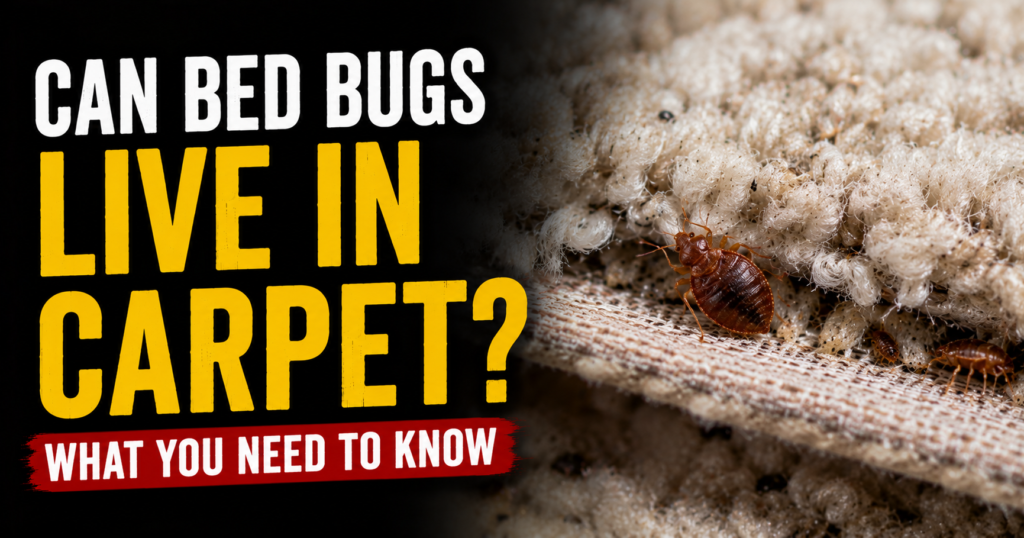

Confirm You Are Actually Dealing With Bed Bugs
Before you treat a favorite chair or throw away furniture, make sure the evidence fits bed bugs.
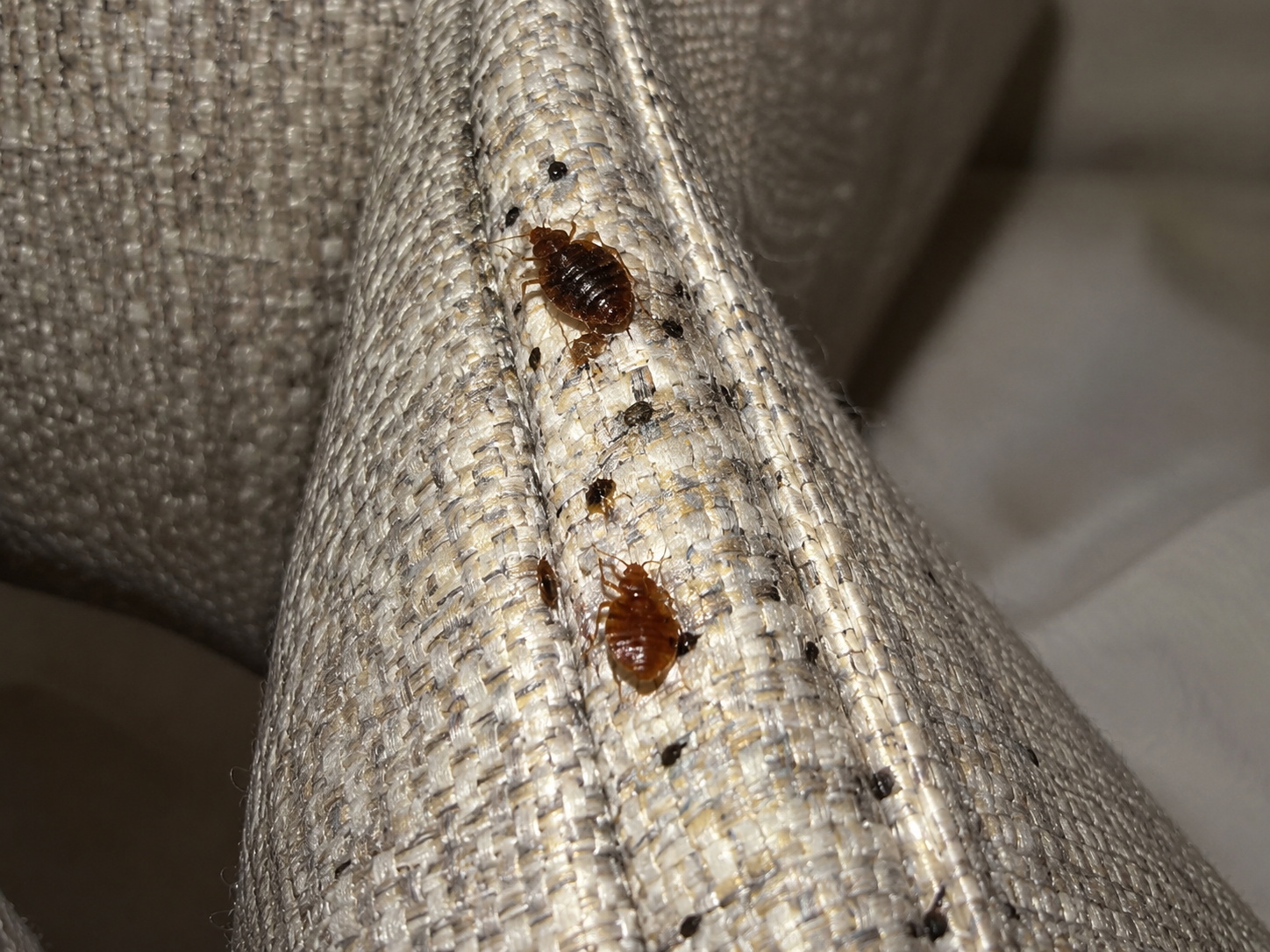
Adult bed bugs are flat, oval, reddish brown insects about the size and shape of an apple seed. Young bed bugs are smaller and lighter in color. You may also find tiny pale eggs, shed skins, dark pepper-like fecal spots, or small rusty blood marks near where people sit or sleep.
Inspect the furniture with a bright flashlight and a thin plastic card, old gift card, or similar flat tool. Work slowly through seams, piping, cushion edges, tufts, labels, staples, joints, screw holes, and the underside. A magnifying glass or your phone camera can help with tiny evidence.
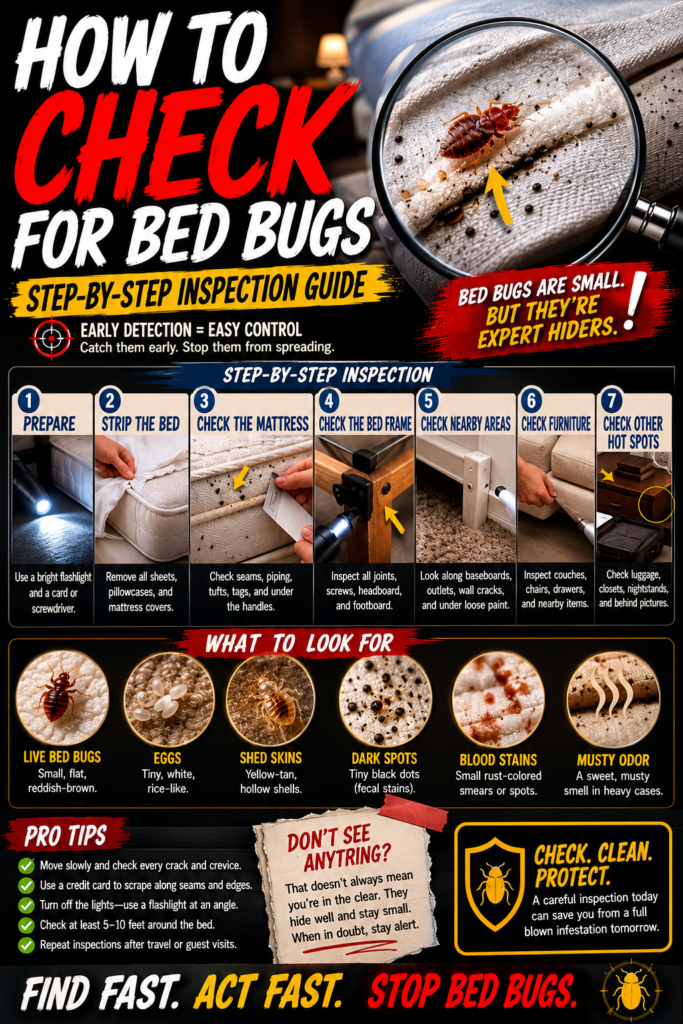
If you have not already inspected the surrounding room, use this step-by-step bed bug inspection guide before deciding the furniture is the only item that needs attention.
Bites alone are not enough to confirm bed bugs. Fleas, mosquitoes, skin reactions, and several other issues can look similar. Physical evidence on the furniture, mattress, or nearby surfaces is much more useful.
Isolate the Furniture Before Treatment
Isolation does not kill bed bugs, but it helps keep them from finding an easier path to you or another piece of furniture.
For beds, move the frame a few inches away from the wall and make sure blankets, bed skirts, sheets, and comforters are not touching the floor. Do not let the bed touch nightstands, curtains, or other furniture.
For a couch, recliner, or upholstered chair, pull it slightly away from walls if you can do it without dragging it through other areas. Remove throw blankets, loose pillows, and nearby clutter. Bag washable items before transporting them to the laundry area.
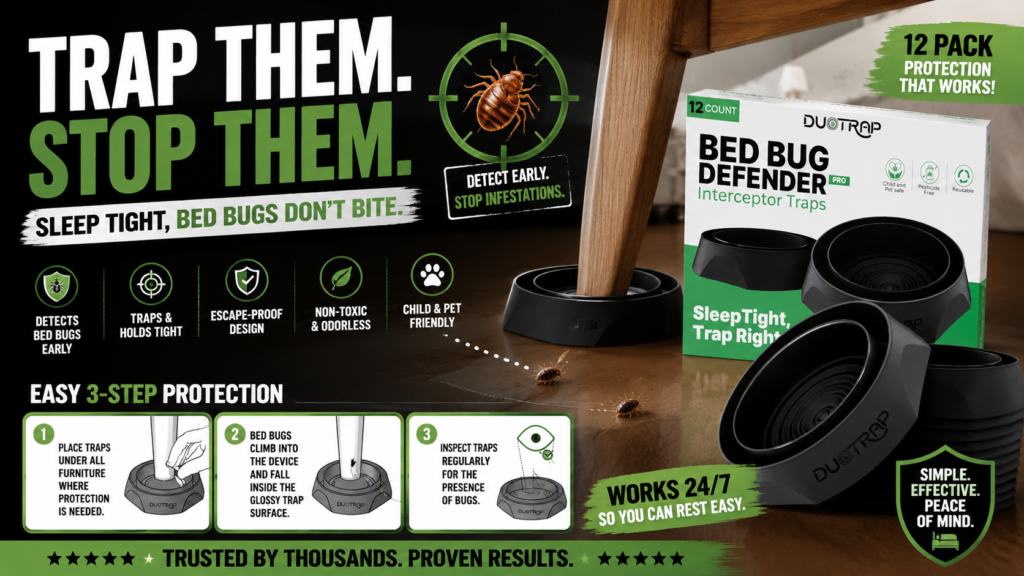
Furniture interceptors can also help monitor movement under beds, couches, and chairs with legs. They are not a complete treatment, but they can catch bugs moving up or down the legs and show whether activity is still happening. This guide explains what bed bug interceptor cups really do and where they fit into a larger plan.

How to Clean Bed Bugs From Upholstered Furniture
Upholstered furniture needs patient, detailed work. The goal is to remove as many bugs and eggs as possible from the places where fabric meets wood, staples, and seams.
Start by removing cushions, detachable covers, pillows, and any loose blankets. Put each removable fabric item directly into a sealed plastic bag before carrying it to the laundry room. Heat from a dryer is what matters most for washable items. Washing alone may not kill everything.
Then inspect the furniture in sections.
Check Every Seam, Fold, and Fabric Edge
Look along the piping, zipper areas, cushion seams, under buttons, around tags, and beneath the fabric skirt. Turn cushions over and inspect both sides.
Bed bugs often settle in places where they can stay hidden but remain close to a person sitting or sleeping. A seam that looks clean at first may hold dark spotting or shed skins farther inside the fold.
Use a card to gently open seams as you inspect. Do not rip upholstery apart unless you are already certain the item will be discarded. You want to expose hiding spaces without turning a manageable problem into a room full of loose debris.
Vacuum Slowly With a Crevice Tool
A vacuum can remove visible bed bugs, eggs, shed skins, and debris, especially from seams and cracks.
Use the crevice tool along stitching, cushion edges, staple lines, underneath the furniture, and where upholstery attaches to the frame. Slow passes work better than quickly running the vacuum over the surface. Bed bugs can hold on in tight spaces, so give seams and corners extra attention.
As soon as you finish, empty the vacuum contents into a sealed bag. Put that bag in an outdoor trash container right away. Do not leave the vacuum sitting in the bedroom or closet with bugs inside it.
Vacuuming is useful, but it is not a one-time cure. It works best as part of repeated inspection, treatment, and monitoring.
Use Steam Only Where You Can Do It Safely
Steam can kill bed bugs when it reaches them directly in seams, cracks, folds, and fabric edges. It is useful for upholstered furniture because it can reach areas where a vacuum may not pull everything out.
Use a steamer designed for this type of work and follow its instructions carefully. Move slowly enough for heat to reach the surface, but do not soak the furniture. Too much moisture can damage wood, loosen glue, stain upholstery, or create a mold problem.
Never use a clothes steamer, hair dryer, heat gun, propane heater, or space heater as a shortcut. Those methods do not reliably heat hidden areas enough to kill bed bugs and can create serious fire, burn, or damage risks.
For a heavily infested couch or recliner, professional steam or heat treatment is often the safer route because the bugs can be deep inside the frame and upholstery.
How to Treat Bed Bugs in Wood Furniture and Bed Frames
Wood furniture can hide bed bugs in places people rarely think to check.
Look at the back of headboards, bed slats, joints, screw holes, drawer tracks, dovetail joints, handles, trim pieces, and every crack where two pieces of wood meet. Bed bugs often hide in narrow gaps behind a headboard or along the underside of a bed frame.
Take drawers out one at a time and inspect the underside, corners, runner tracks, and the empty cavity where each drawer sits. Keep drawers in the same room while you inspect them. Do not carry them to a clean room for convenience.
Vacuum joints, cracks, and hardware areas carefully. If you see gaps that are not needed for the furniture to function, sealing them later can reduce future hiding places. Do that after the furniture is inspected and treated, not as a substitute for removing the bugs already inside.
A bed frame should be treated as part of the sleeping area, not as an isolated item. Bed bugs can move between the frame, mattress, box spring, headboard, nightstand, baseboards, and nearby belongings. The best results come from treating the whole area as one connected zone.


What to Do With Cushions, Covers, and Removable Fabric
Anything removable creates both an opportunity and a risk.
The opportunity is that some items can be heat-treated in a dryer. The risk is that carrying them loose through the house can spread bed bugs along the way.
Bag each item where you found it. Take the sealed bag directly to the dryer. Empty it into the dryer, throw the used bag away outside, and use a clean bag or clean container for the treated items after they come out.
Use the dryer setting and time appropriate for the fabric and follow the item’s care label. High dryer heat is commonly used for bed bug control, but do not ruin an item by ignoring its material limits. Delicate or non-washable furniture coverings may need professional treatment or extended sealed containment instead.
Keep cleaned items sealed until the rest of the furniture and room are under control. Putting clean cushions right back onto untreated furniture can undo your progress.
Should You Spray Bed Bug Killer on Furniture?
Only use a product that specifically lists bed bugs and the exact type of furniture or surface on its label.
Do not assume that a general indoor bug spray, roach spray, fogger, flea product, essential oil, rubbing alcohol, or homemade mixture is safe or effective for upholstery, mattresses, or furniture people sit on. Many of these products will not reach the bugs where they hide, and some create staining, breathing, fire, or exposure problems.
Foggers and bug bombs are especially poor choices for bed bugs. They do not reach deep seams and crevices well, and they can drive bugs farther into hidden areas.
If you use any pesticide, read the entire label. Follow the directions for the exact furniture type, room preparation, protective clothing, ventilation, reentry time, and follow-up treatment. Never apply a product to a mattress, couch, chair, or clothing unless the label specifically allows that use.
A thin application of a bed-bug-labeled residual product may be part of some treatment plans, but it is not a replacement for inspection, vacuuming, laundering, isolation, and follow-up monitoring.

For a practical look at where dust products do and do not make sense, see whether diatomaceous earth works for bed bugs. More powder is not better, and loose dust on furniture surfaces is not a safe or useful plan.


Can You Save a Couch or Recliner With Bed Bugs?
Often, yes.
A couch or recliner does not have to be thrown away just because you found bed bugs. Many items can be treated with detailed vacuuming, targeted steam, approved products where appropriate, professional treatment, and repeat inspections.
The decision depends on the furniture’s condition, how heavy the infestation is, how hard the item is to inspect, and whether you can realistically follow through with treatment and monitoring.
A simple wood bed frame may be easier to inspect than a large recliner with thick cushions, hidden staples, and mechanical parts. A couch that is already damaged, heavily infested, or impossible to treat thoroughly may not be worth saving. But it is worth getting a professional opinion before you assume disposal is the only answer.
If you decide an item must go, do not donate it, sell it, leave it in a shared hallway, or put it at the curb looking usable. Clearly mark it as bed-bug-infested and damage it enough that somebody will not unknowingly take it home.
Do Not Move Furniture to Another Room to “Save” It
One of the most common mistakes is moving the bed, couch, or chair to a different room to get away from bites.
That can spread bed bugs into the new room and give them another place to hide. Bed bugs are attracted to people, so sleeping in a different bedroom or on a couch can also encourage them to follow you into another area.
Keep sleeping arrangements as consistent as possible while you treat the problem, unless a pest professional gives you specific instructions otherwise. Isolate the bed, monitor it, and address the bugs where they are instead of creating more rooms to inspect later.
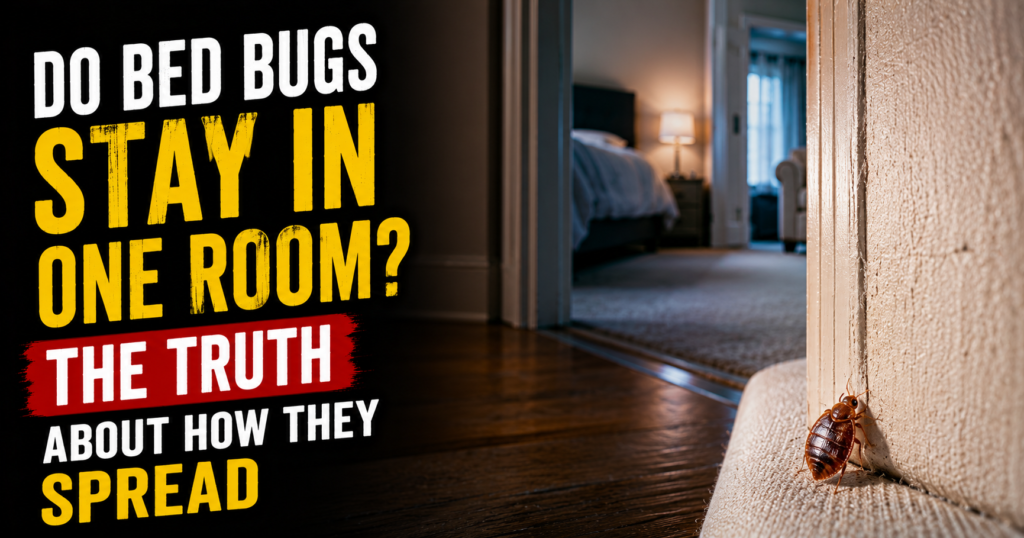
For a closer look at how this happens, read whether bed bugs stay in one room.
When Furniture Needs Professional Treatment
Call a qualified bed bug professional when you find repeated signs, multiple life stages, eggs, or bugs in more than one piece of furniture. Professional help is also smart when the furniture is large, heavily upholstered, built into the home, or located in a multi-unit property.
An experienced professional can inspect the whole situation, identify missed hiding places, and use treatment methods that are difficult to duplicate safely at home. That may include careful pesticide application, specialized steam, whole-room heat, follow-up monitoring, and repeat visits.
Ask whether the company has specific bed bug experience, whether they use an integrated treatment plan, and how many follow-up inspections or treatments are included. Bed bugs are rarely solved by a single quick spray.
How to Keep Bed Bugs From Spreading While You Treat Furniture
Think of every loose item around the furniture as a possible hitchhiking route.
Keep items from the affected area contained. Use sealed bags for laundry, linens, stuffed animals, removable cushion covers, and other washable belongings. Do not move bags through the house and leave them open somewhere else.
Reduce clutter near the furniture so you have fewer places to inspect and fewer items to treat. Do not carry boxes, books, clothes, or electronics to a clean room just to get them out of the way.
If bed bugs may have been brought home on secondhand furniture, do not bring more used furniture into the home until treatment is complete. Inspect future secondhand items before they come inside, including undersides, seams, joints, labels, and drawer areas.
How Long Should You Monitor Furniture After Treatment?
Keep checking for several weeks, not just a day or two.
Bed bug eggs can hatch after the first round of work, and missed bugs may stay hidden before becoming active again. Reinspect seams, joints, interceptors, bed-frame cracks, and nearby furniture on a regular schedule.
Watch for new dark spotting, shed skins, live bugs, or activity in interceptors. A lack of bites alone does not prove the problem is gone because not everyone reacts to bites in the same way.
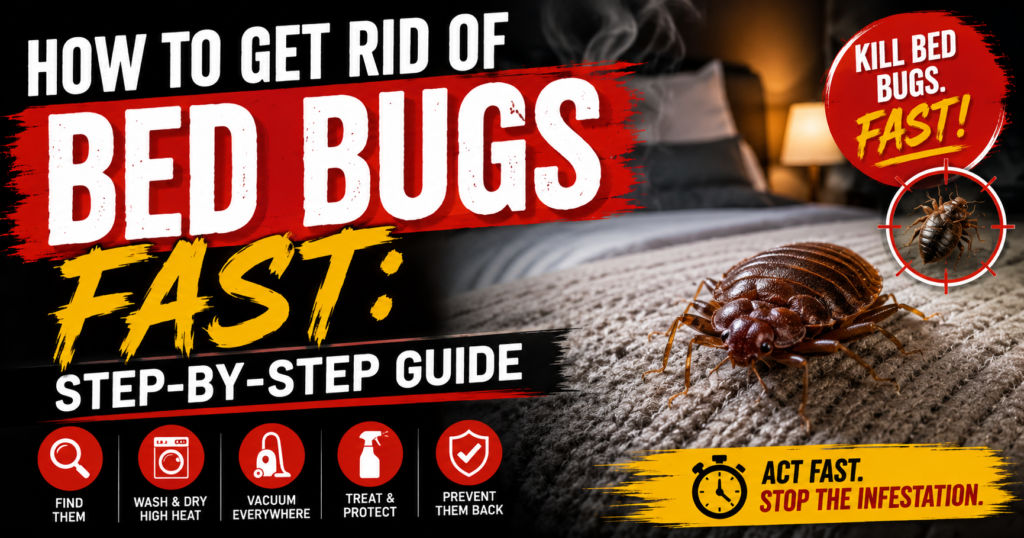
The larger plan matters too. This complete bed bug removal guide can help you connect furniture treatment with laundry, room preparation, monitoring, and the rest of the home.
Frequently Asked Questions
Can bed bugs live inside a wooden dresser?
Yes. They can hide in drawer joints, screw holes, cracks, underside panels, handles, and the empty space behind or beneath drawers. Inspect each drawer and the drawer cavity instead of only looking at the outside.
Can I put bed-bug-infested furniture outside?
Not as a treatment plan. Outdoor temperatures are too unpredictable to reliably kill bed bugs, and moving furniture outside can spread bugs through the home or expose other people to them. If you must discard an item, make it clearly unusable and mark it as infested.
Can I use a mattress encasement on furniture?
Encasements are made for mattresses and box springs, not most couches or chairs. Use an encasement only on the item and in the way the manufacturer specifies. Upholstered furniture needs inspection and treatment of its own seams, frame, and hidden spaces.
Can bed bugs get through a plastic furniture cover?
A properly sealed plastic bag or cover can contain an item temporarily, but a loose cover draped over a couch is not reliable. Bed bugs can escape through gaps, seams, or tears. Sealed containment is more useful for small removable items than for a large couch.
Do I have to throw away furniture with bed bugs?
No. Many pieces can be treated. Disposal makes sense only when the item cannot be inspected or treated effectively, is badly damaged, or you cannot safely manage it. If you discard it, prevent anyone from taking it home.
Can bed bugs hide in a recliner mechanism?
Yes. Recliners can be difficult because bugs may hide in fabric folds, staple lines, the underside, wood-frame joints, and mechanical areas. A recliner with signs of a heavy infestation is a good reason to get professional help.
Will vacuuming furniture get rid of bed bugs completely?
Vacuuming removes some bugs, eggs, shed skins, and debris, but it rarely solves an infestation by itself. It should be paired with detailed inspection, careful containment, treatment, and follow-up monitoring.
Caleb Warren writes practical bed bug and household pest guides for WhyDoIHaveBugs.com, helping homeowners take careful action without accidentally spreading the problem farther.