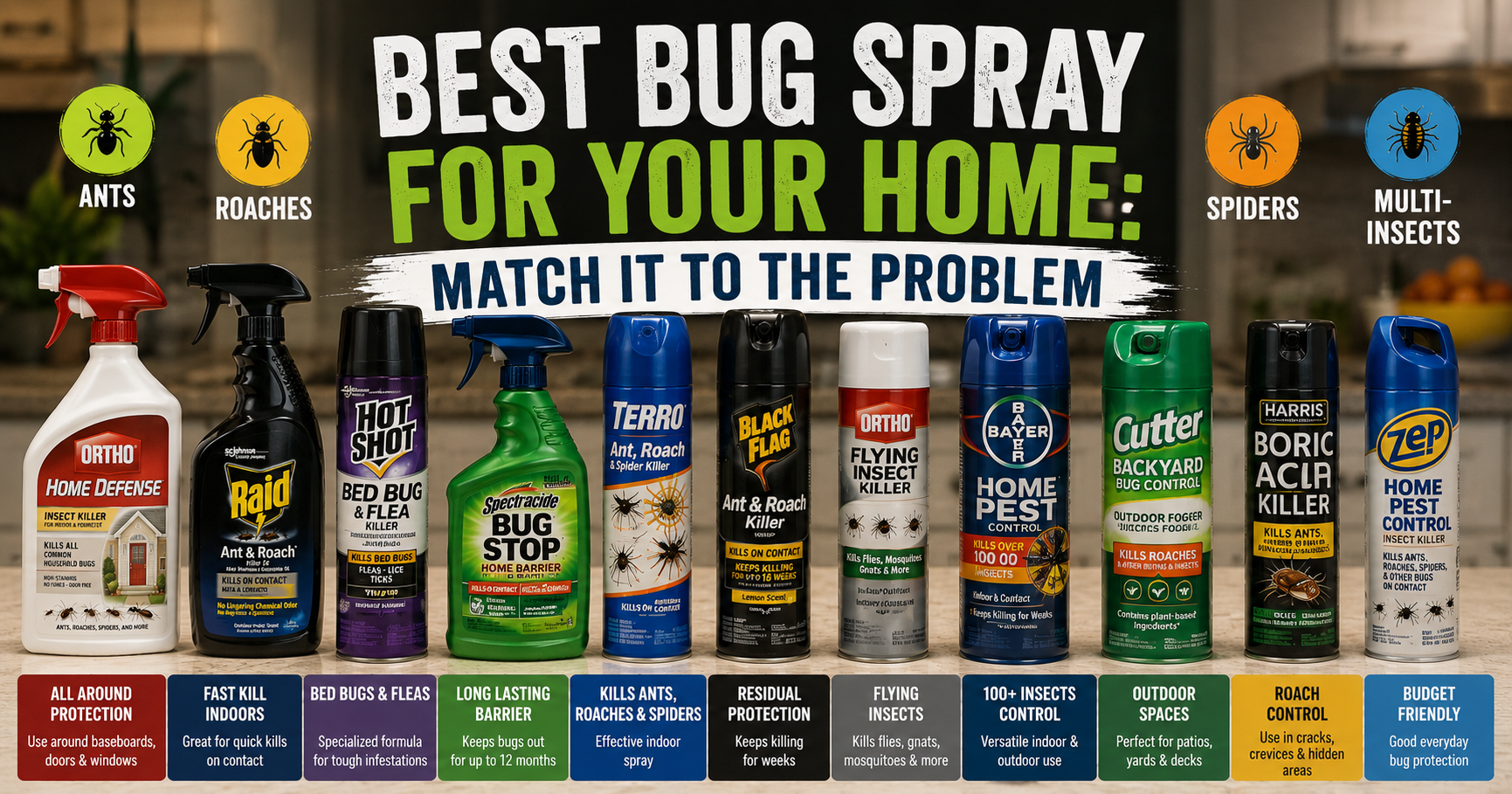
There is no single best bug spray for every home, and that is where a lot of people waste money. A spray that works well around the foundation may do very little for ants trailing to a cabinet. A fast-killing aerosol can handle a bug you see today, but it may not touch the hidden nest, colony, or breeding spot that keeps the problem coming back.
I look at two things before choosing anything: what bug I am dealing with and where the problem is actually starting. Once you match the product type to the situation, pest control gets much simpler and you are far less likely to spray every room in the house hoping something works.
The Best Bug Spray Depends on What You Need It to Do
“Bug spray” gets used as a catch-all term, but home pest products do different jobs. Some kill insects on contact. Some leave a residual barrier on surfaces. Some are not sprays at all, because bait or gel is the better way to eliminate the insects you cannot see.
The most useful question is not, “What is the strongest spray?” It is, “What product can reach the part of this problem that matters?”
A flying insect near the kitchen window, a line of ants under the sink, German roaches hiding behind an appliance, and spiders coming in through the garage all need a different approach. A good product should fit the job instead of simply sounding powerful on the shelf.
When a Perimeter Spray Is the Best Choice

A perimeter spray is usually the best choice when bugs are getting into your home from outdoors. It is designed to create a treated band around the foundation, doors, window frames, garage openings, utility penetrations, and other places insects use to enter. For this type of exterior barrier application, Ortho Home Defense perimeter treatment is one product option to compare against the label requirements for your home.
This kind of product makes the most sense for occasional ants, spiders, crickets, earwigs, centipedes, silverfish, and other crawling insects that wander in from outside. It is also useful when you keep seeing bugs in the same lower-level areas of the house, especially near exterior walls.
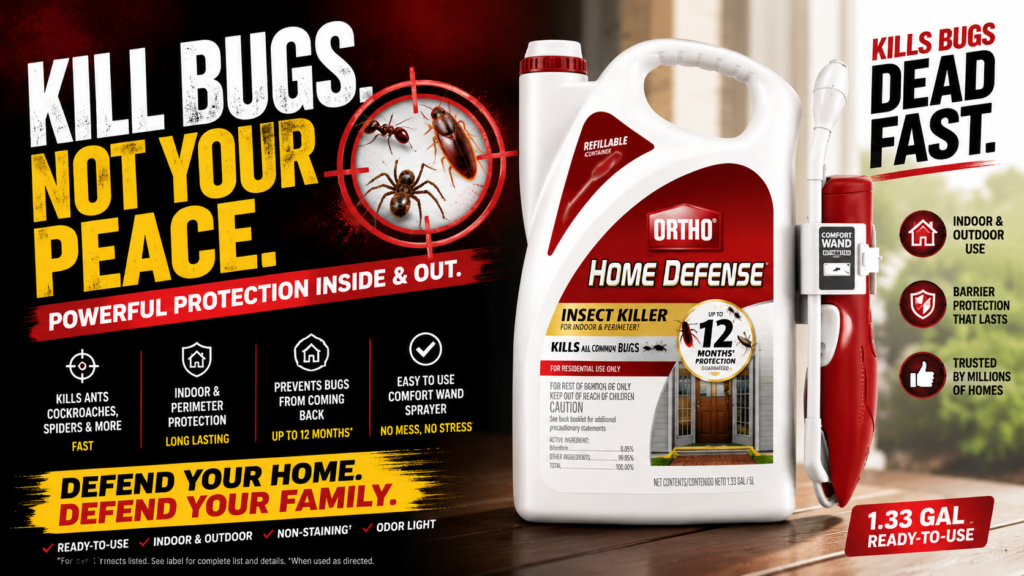
Ortho Home Defense is one of the common ready-to-use perimeter products homeowners consider because it is made for treating those entry points and indoor edge areas. I break down the practical strengths and limits in my honest Ortho Home Defense review, because it is important to understand that a perimeter product is preventive maintenance, not a magic answer for every active infestation.
A perimeter spray works best when you also remove the conditions that are inviting bugs close to the house. Trim vegetation away from siding, move leaf piles and stacked firewood farther from the foundation, repair torn door sweeps, and keep mulch from staying packed against the exterior wall. The spray gives you a useful layer of protection, but exclusion is what keeps the pressure down long term.

When a Contact Spray Makes More Sense
A contact spray is for bugs you can actually see. These sprays are useful when you spot a roach, ant, spider, beetle, or other crawling insect and want it gone immediately.
That makes them handy to keep available, but I would not treat them as a full control plan when insects are showing up repeatedly. Killing the few bugs crossing the floor does not always affect the nest, egg-laying area, or hiding place behind the wall.
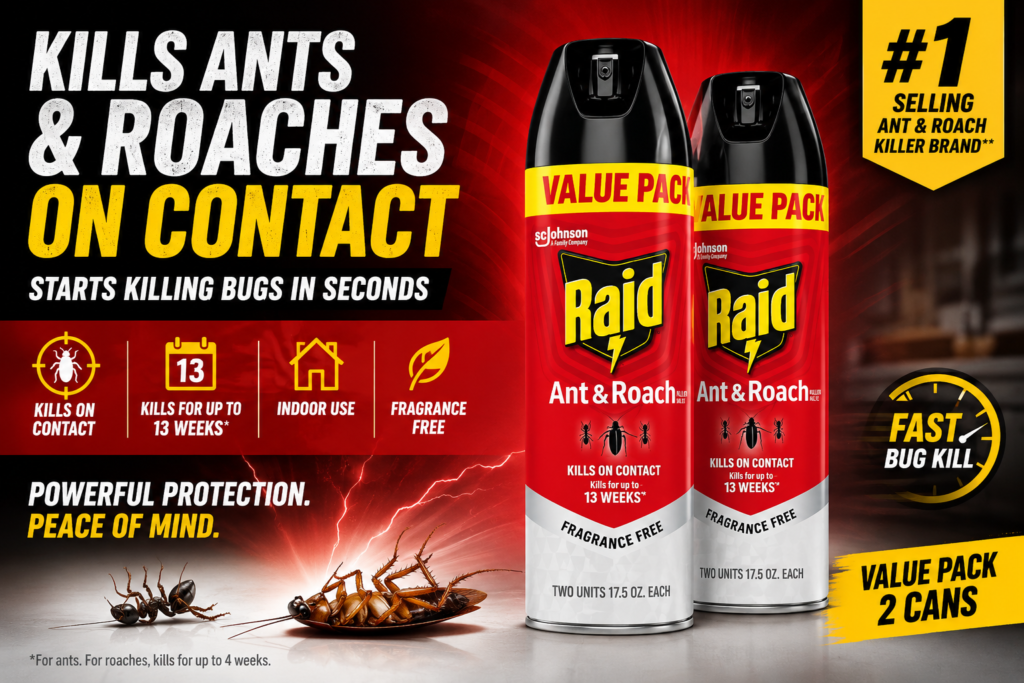
Raid Ant & Roach Killer is a familiar example of a contact-style household aerosol. It can be useful when you need a fast knockdown, and I explain what it realistically can and cannot do in my Raid Ant & Roach Killer review.
The best use for a product like this is targeted and limited. Spray only the insect or the exact crack or void allowed by the label. Do not fog an entire kitchen, coat countertops, or spray over food-preparation areas. More product is not better when it is being used in the wrong place.
Why Ant Problems Usually Need Bait, Not More Spray
Ants are one of the clearest examples of why the best pest-control product is not always a spray. When workers are trailing through a kitchen or bathroom, the real problem is usually the colony they are feeding.
Spraying the visible trail may kill workers, but it can also scatter them or make the trail disappear temporarily while the colony remains nearby. Bait gives foraging ants something they can carry back and share. That is why you may see activity increase at the bait at first. The ants are finding and recruiting to the food source.
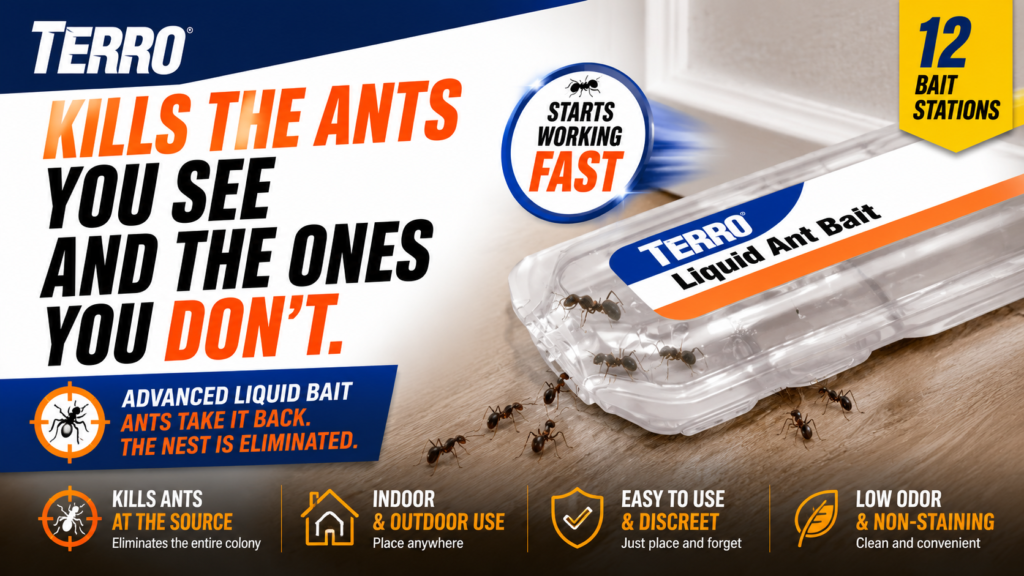
For many ordinary indoor ant trails, a liquid bait station is the better first move than spraying every ant you see. My Terro liquid bait station review explains what to expect, how to place bait without disrupting it, and why patience matters during the first few days.
Do not spray directly around an ant bait station. The spray can repel or kill the workers before they carry the bait back. Keep the bait accessible, clean up competing food crumbs and spills, and give the colony time to respond.
Why Roach Infestations Usually Need Gel Bait
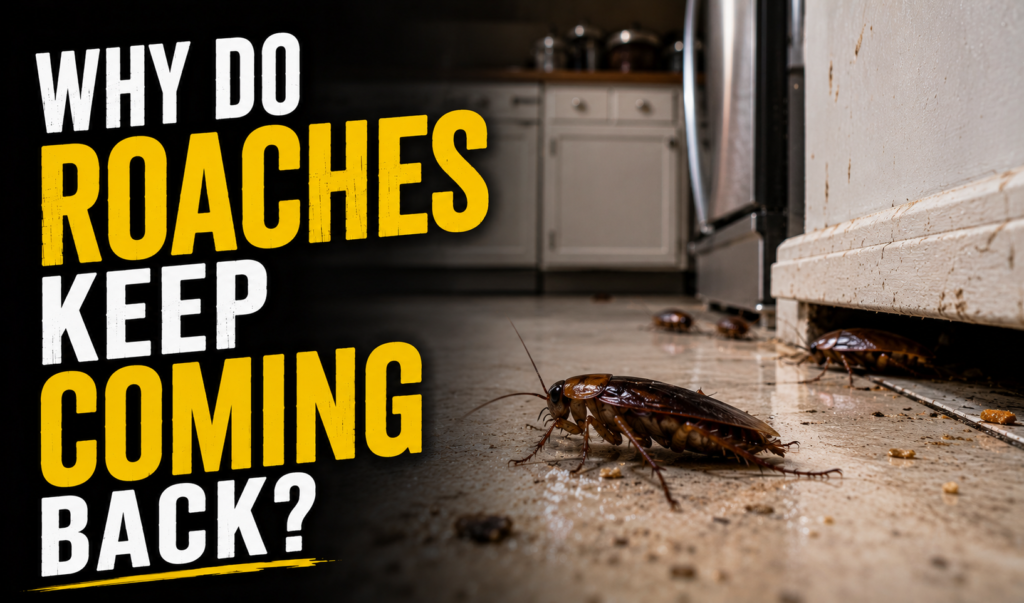
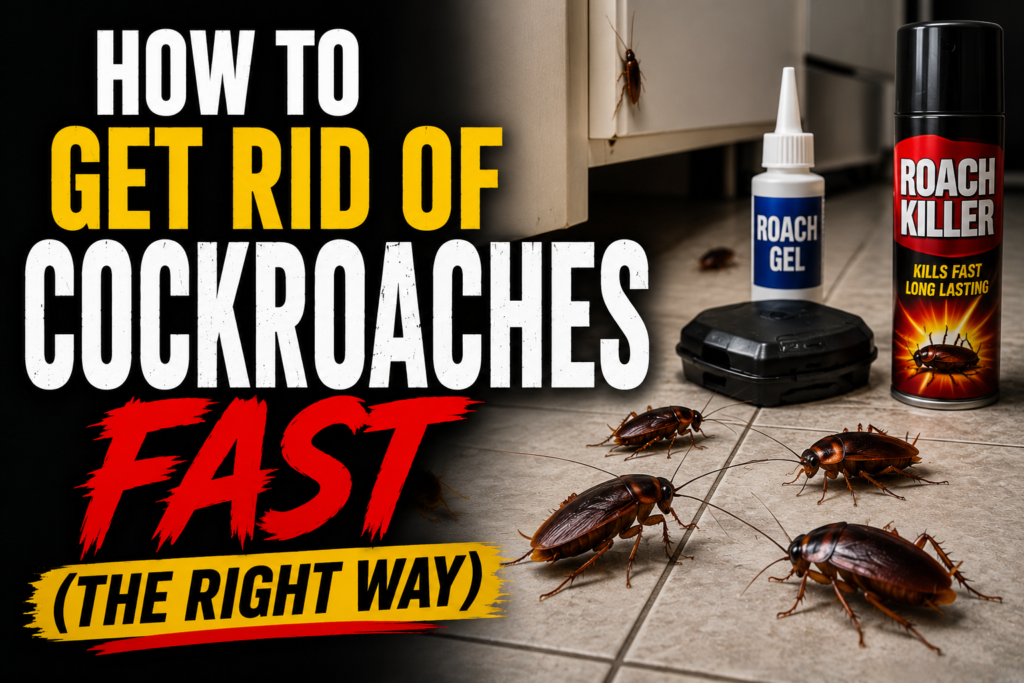
A couple of outdoor roaches that wander in occasionally are different from an indoor roach infestation. If you are seeing small roaches repeatedly in the kitchen, around appliances, inside cabinets, or near bathrooms, a contact spray alone is rarely enough. Repeated sightings may point to the causes discussed in recurring roach infestations.
Roaches spend much of their time hidden in narrow cracks, motor compartments, wall gaps, cabinet hinges, and voids behind plumbing. A well-placed gel bait reaches them where broad spraying often does not. Roaches feed on it, return to their hiding places, and the bait can affect other roaches through normal feeding behavior.
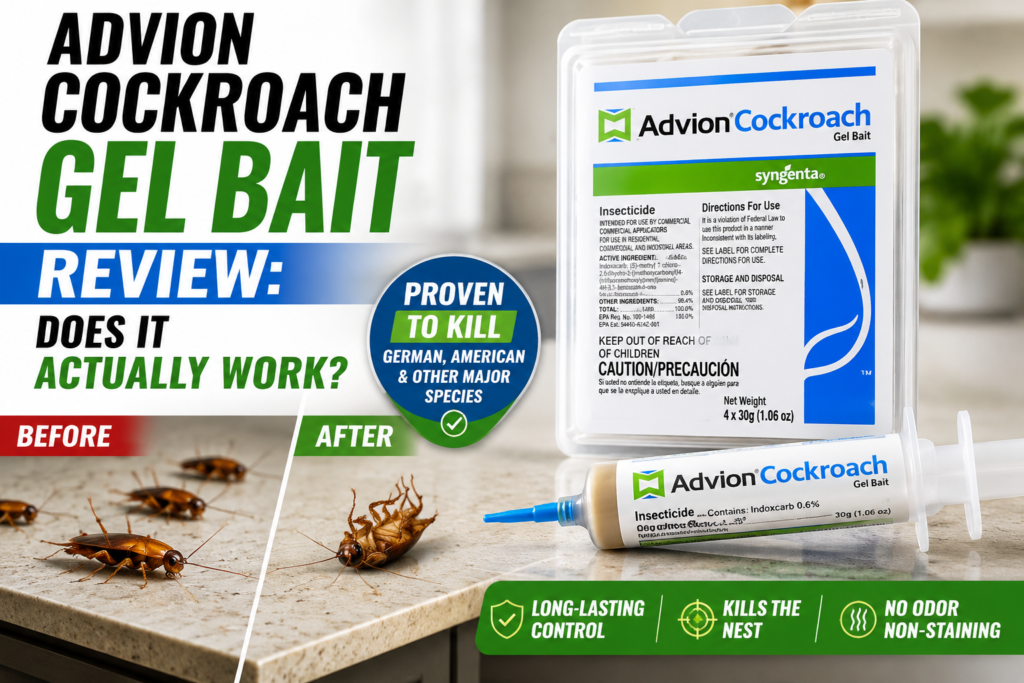
For a serious indoor roach issue, I would put more faith in carefully placed gel bait, sanitation, and sealing hiding places than in repeatedly spraying open floors. See whether Advion roach gel bait is worth using if that is the kind of problem you are dealing with.
Keep bait placements small and out of reach of children and pets, exactly as the label directs. Roaches prefer protected areas, so dots placed in cracks, behind appliances, under sinks, and around plumbing are generally more useful than a thick line of product across a visible countertop.
Do Not Use a Perimeter Spray as a Roach Treatment Plan
Perimeter sprays are excellent at reducing some bugs before they come indoors. They are not automatically the right choice for established German roaches, pantry pests, bed bugs, or carpet beetles living and breeding inside.
The difference comes down to location. A perimeter treatment stays around the edges of the home. An indoor infestation is already past that barrier and usually needs a product and inspection plan designed for the actual insect.
That does not mean a perimeter treatment is useless. It can still help reduce outdoor roaches and other bugs entering from outside. It simply should not replace the indoor work when the bugs are already settled in.

Match the Product to the Place You See Bugs
The room where you spot insects gives useful clues, but it is not always where the source is.
Bugs around exterior doors, windows, basements, garages, and lower walls often point to an outside entry issue. A perimeter treatment combined with sealing gaps makes sense there.
Bugs around sinks, toilets, laundry rooms, and crawl-space doors often point to moisture. In that situation, check for plumbing leaks, condensation, wet cardboard, clogged drains, or a damp foundation before buying more pesticide. Removing the moisture can matter more than changing brands.
Bugs in cabinets, pantries, or near pet food can point to a food source. Clean spills, inspect stored dry goods, move food into sealed containers, and identify the bug before treating. A spray will not fix an open bag of food that is supporting the population.
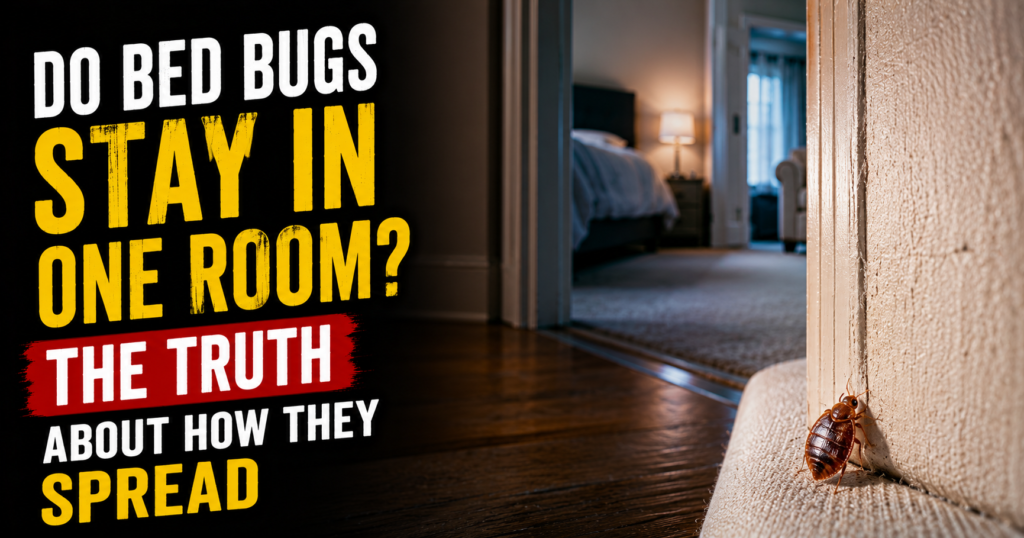
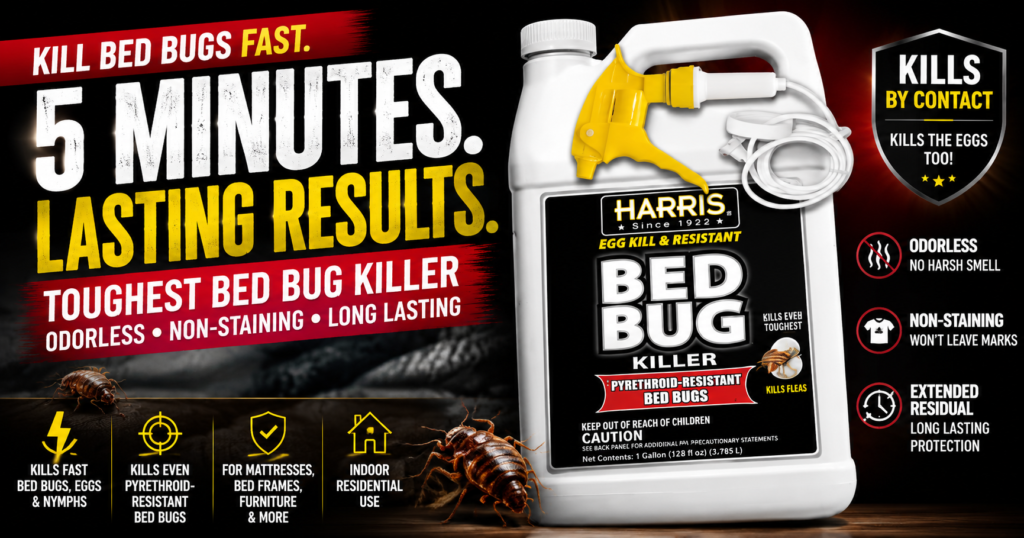
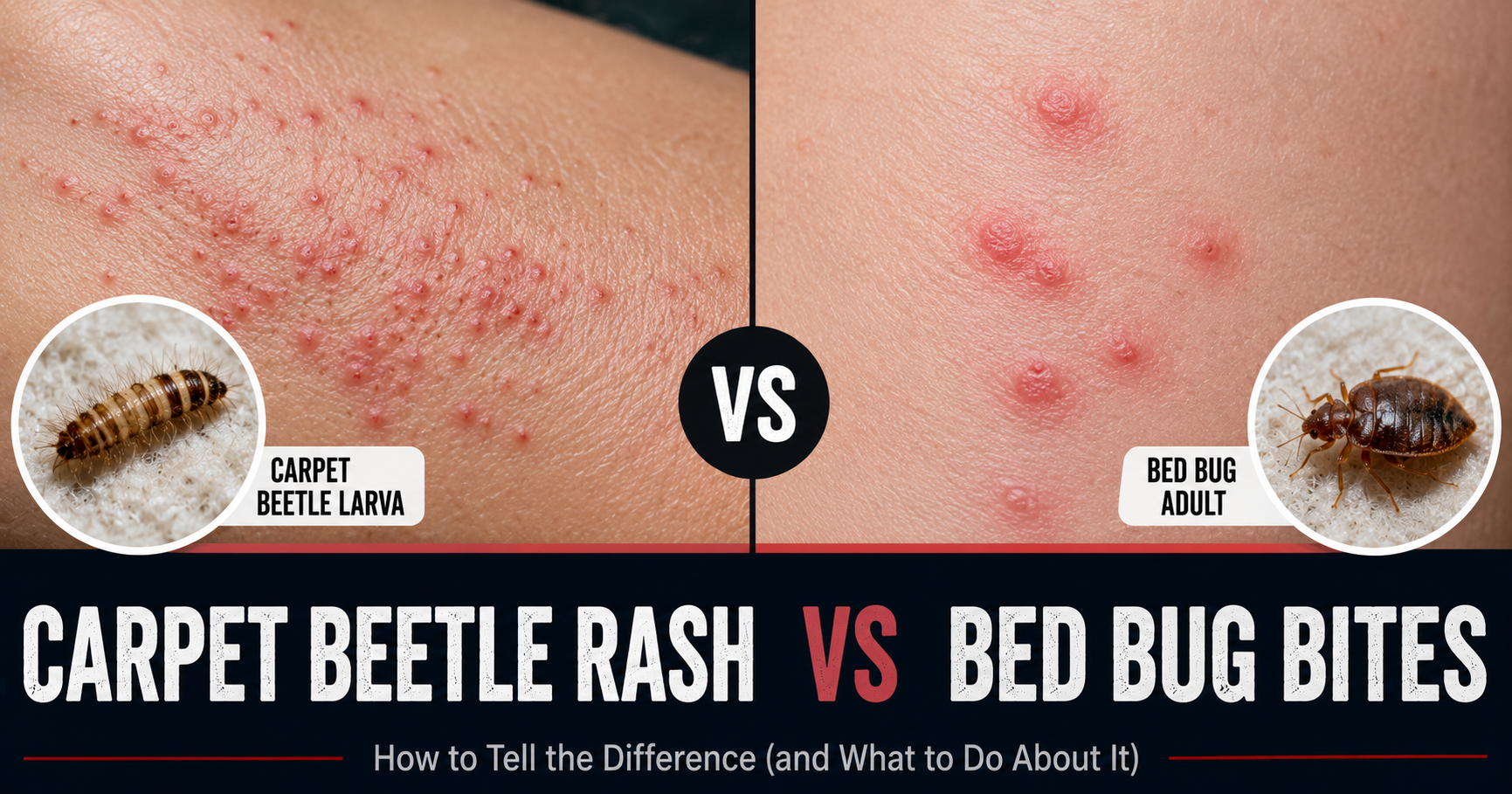
Bugs around beds, upholstered furniture, closets, or stored fabrics need careful identification. Do not assume every small bug is a roach or ant and reach for a general household spray. Bed bugs, carpet beetles, and fleas have different signs, different hiding places, and different control methods. Because bed bugs can spread beyond the first area where they are noticed, how bed bugs spread between rooms can help you decide what to inspect next.
The Best Spray for Spiders Is Usually a Prevention Plan
Most spiders enter homes looking for shelter or following the insects they eat. That means the best long-term spider control plan is usually not a heavy indoor spray.
Reduce outdoor lighting that pulls in moths and other prey insects near doors. Remove webs, seal cracks, clean up clutter in garages and basements, and use a perimeter treatment around likely entry points if spiders are consistently getting inside.
If you see one spider in the corner of a room, remove it directly and look for the entry point. If you are seeing several different spiders every week, focus on the foundation, door sweeps, screens, clutter, and outdoor insect activity.


The Best Spray for Earwigs, Crickets, and Other Moisture-Loving Bugs
Earwigs, house crickets, centipedes, millipedes, and similar occasional invaders are often a moisture and entry-point problem. They may appear after heavy rain, during humid weather, or when mulch and debris keep the foundation damp.
A labeled perimeter spray can help reduce the number getting through, but the bigger fix is drying the area out. Keep gutters flowing away from the house, fix downspouts that dump water by the foundation, thin dense plants near the siding, and remove damp piles of leaves or wood.
For these bugs, the best spray is usually the one you apply outside at the actual entry points while you also make the area less inviting. Spraying baseboards every week is not a good substitute for fixing the wet conditions.
What About Bug Bombs and Foggers?
I do not recommend bug bombs as a first answer for most household problems. They send pesticide into open air, but many pests are tucked into cracks, under appliances, inside furniture, or behind walls where the fog does not reach well.
Foggers can also create unnecessary exposure, leave residue across surfaces, and force you to prepare the home carefully. They are especially disappointing for roaches and bed bugs, two pests people often try to bomb out of frustration.
Targeted products, thorough cleaning, monitoring, and proper identification are usually more effective. A good pest-control plan is about putting the right treatment exactly where the insects travel or hide, not filling the room with product.
How to Choose Between Ortho Home Defense and Bug B Gon
Ortho Home Defense and Bug B Gon are both intended for general household crawling-insect control, but the right choice depends on the specific label, active ingredient, pest list, and application method of the product you are considering.
I would not choose based only on the name or bottle size. Read the current label and ask where you need the product to work. For an exterior perimeter, door thresholds, garage edges, and common entry points, choose the one whose directions clearly fit that job. For indoor treatment, follow the label closely and use only the approved cracks, crevices, and surfaces.
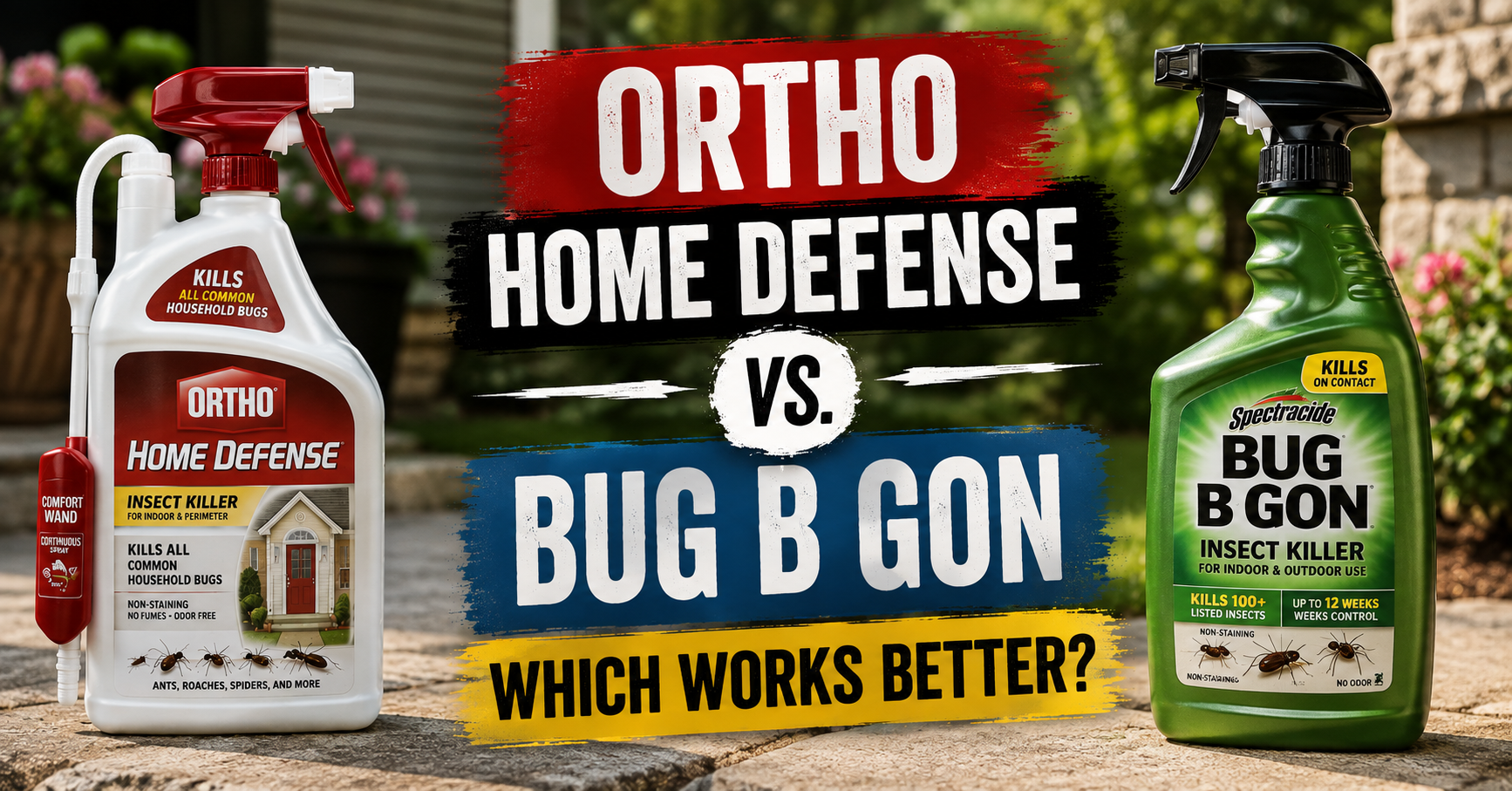
If you are deciding between those two specific brands, my Ortho Home Defense vs. Bug B Gon comparison walks through the practical differences without treating either bottle as a one-size-fits-all solution.
Why the Label Matters More Than the Brand Name
The label is the law, and it is also the best source for safe use. It tells you exactly which pests the product controls, whether it can be used indoors or outdoors, how much to apply, where it cannot be applied, and how to protect children, pets, pollinators, and food areas.
Two products from the same brand can have completely different directions. A product sold for outdoor perimeter use may not be approved for broad indoor spraying. A product that kills insects on contact may not provide a residual barrier. A bait may need to stay dry and untouched to work correctly.
Before buying, look for the actual pest you have on the label. Before using, read the entire set of directions, not only the front of the bottle.
How to Avoid Making a Bug Problem Worse
Overusing sprays can create more work. Some insects avoid treated areas and move to a different spot. Ants may stop feeding at bait if you spray their route. Roaches may scatter deeper into wall voids if the treatment is not targeted.
I also avoid mixing products just because the problem feels urgent. Using multiple pesticides in the same spot does not automatically make them work better. It can create unnecessary exposure, leave more residue, and make it hard to tell what is helping.
Start with identification. Remove food, water, clutter, or outside entry points that are supporting the pests. Then choose one product type that matches the problem and use it exactly as directed.
A Simple Way to Decide What to Buy
If bugs are coming in from outdoors, start with a perimeter treatment and exclusion work.
If you need to kill a bug you see right now, use a labeled contact spray sparingly and directly.
If ants are trailing indoors, choose bait and avoid spraying around it.
If roaches are repeatedly showing up in kitchens or bathrooms, use gel bait, monitor activity, clean thoroughly, and seal nearby hiding places.
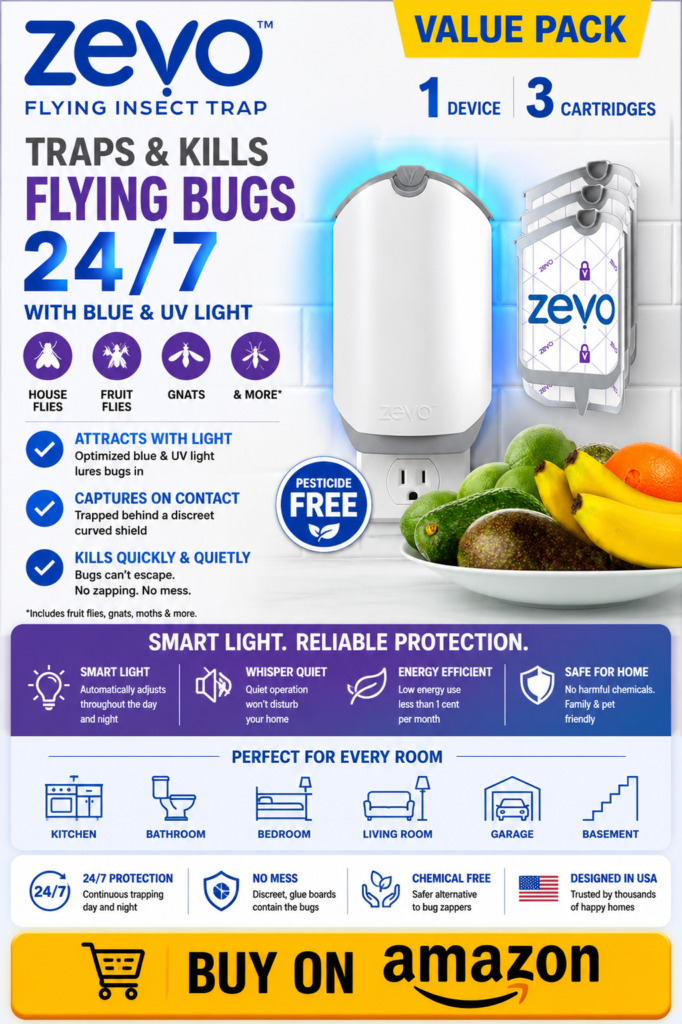
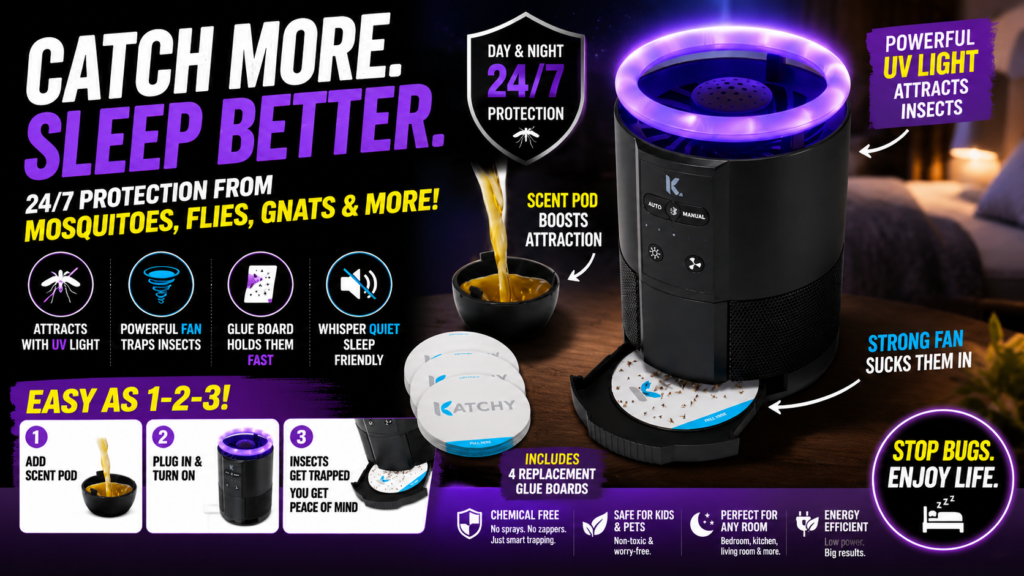
If flying insects are the issue, a spray is often not the best primary tool. Look for the breeding source, such as trash, drains, produce, pet waste, standing water, or a dead animal in a hidden area. Then use the appropriate trap or targeted product for that insect. For exposed flying insects after the source has been addressed, flying insect traps can be considered as a targeted alternative to broad spraying.
Frequently Asked Questions
What is the best bug spray for a house?
The best choice depends on the pest. A perimeter spray is usually best for outdoor insects getting inside, while contact spray is best for a bug you see. Ants often respond better to bait, and active roach infestations usually need gel bait rather than more general spray.
Can I spray bug killer all around my house inside?
Only use a product indoors where its label specifically allows it. In most cases, targeted application to approved cracks, crevices, and entry areas is safer and more useful than coating every baseboard or open floor.
Is a perimeter spray safe to use around pets?
It can be used safely only when the product label directions are followed exactly. Keep pets away during application, allow treated areas to dry as directed, and never apply the product to pet bedding, food bowls, toys, or surfaces the label does not permit.
Why do bugs keep coming back after I spray?
The source may still be present. You may be killing the bugs you see without reaching the nest, eggs, hidden population, food source, moisture problem, or outdoor entry point that is producing more activity.
Should I use spray or bait for ants?
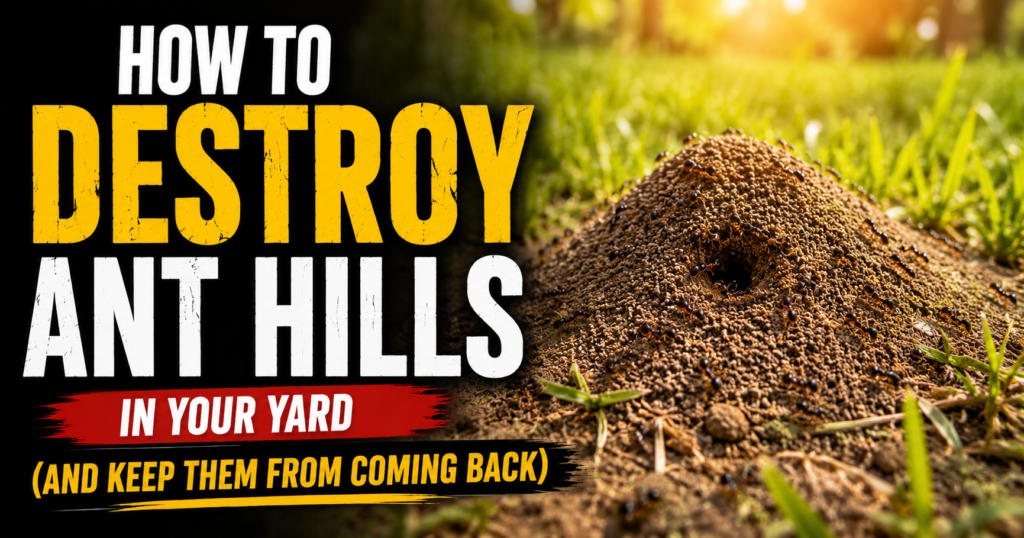
Bait is usually the better first choice for a persistent indoor ant trail because workers can carry it back to the colony. A contact spray may kill visible workers quickly, but it does not always solve the colony problem. When the colony may be extending into the yard, persistent indoor ant trail explains how to treat the outdoor nest rather than only the visible trail.
What should I use for roaches?
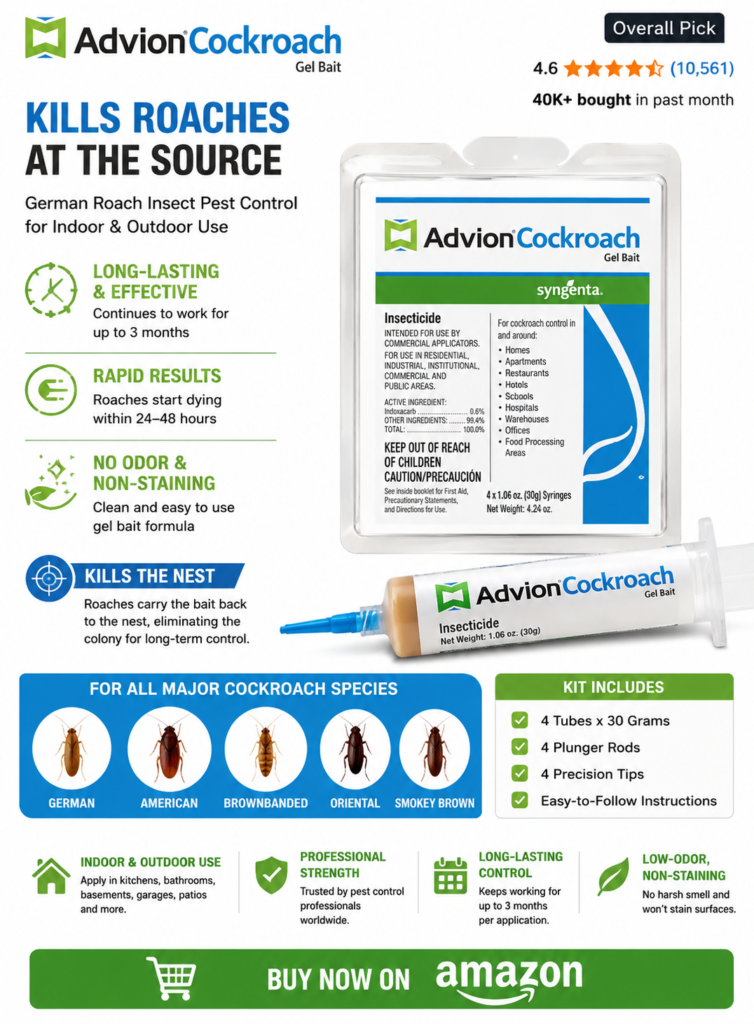
For recurring indoor roaches, especially small roaches in kitchens or bathrooms, gel bait is usually more useful than routine broad spraying. Combine it with cleaning, reducing moisture, monitoring, and sealing cracks around plumbing and cabinets. A product such as targeted roach bait may fit this targeted approach when its label and placement instructions match the situation.
Do I need pest control if I see one bug?
Usually not. One occasional bug can come in through an open door, window, garage, package, or small gap. Pay attention to repeated sightings, clear trails, droppings, shed skins, damage, or several insects in the same area before treating it as an infestation.
Caleb Warren writes practical pest-control guides for WhyDoIHaveBugs.com, helping homeowners identify the real problem before spending money on the wrong product.