Stink bugs can turn a beautiful tomato crop into a frustrating mess fast. The good news is that you do not need to panic or spray everything in sight. I get the best results by checking plants often, removing stink bugs early, protecting tomatoes before the fruit ripens, and using a tomato-labeled treatment only when the problem is truly getting out of hand.
The key is timing. Eggs and young stink bugs are much easier to deal with than full-grown adults, so a few minutes of checking your plants every few days can save a lot of tomatoes later.
Start by Confirming That Stink Bugs Are the Problem
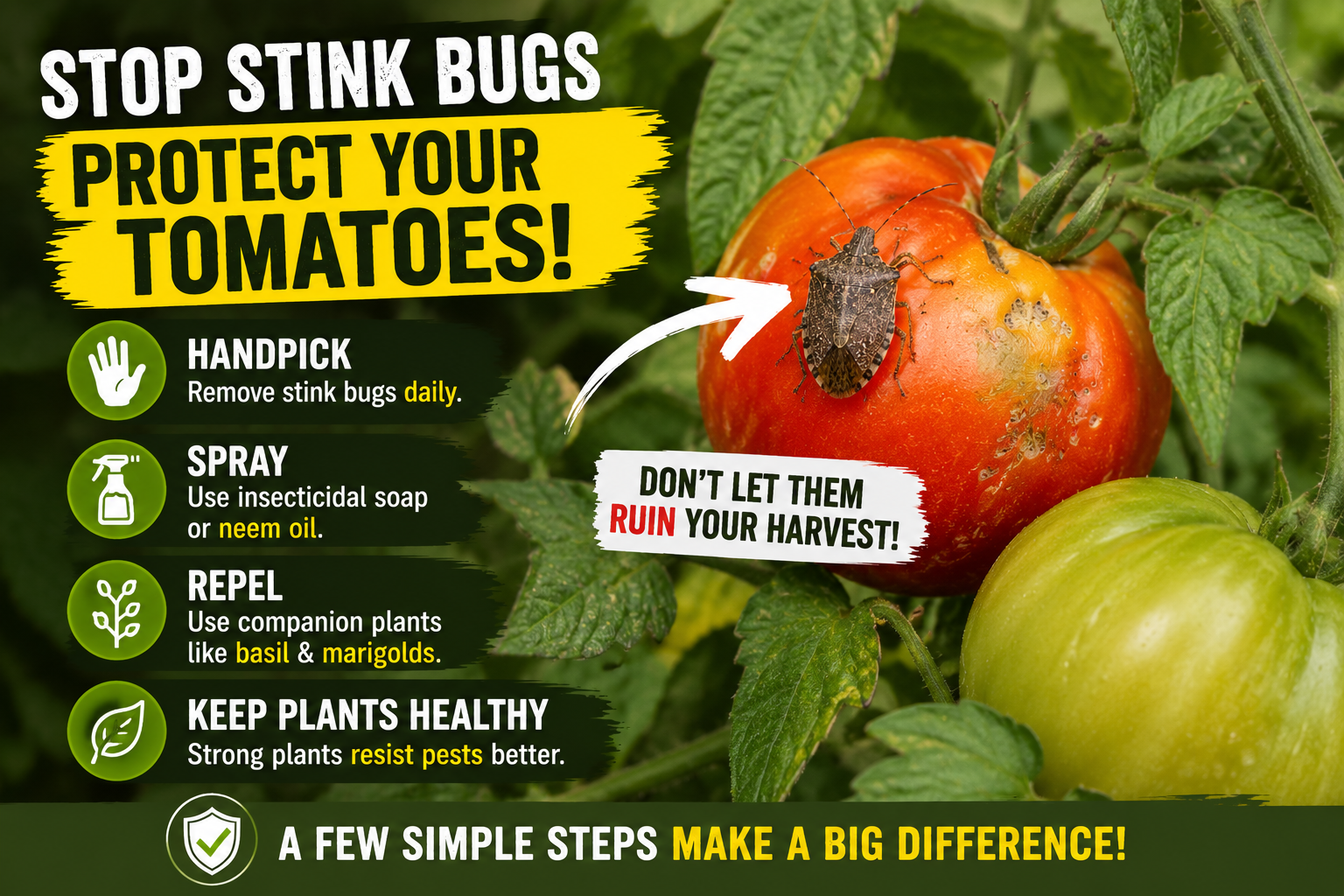
Before treating anything, make sure stink bugs are actually causing the damage. Their feeding leaves pale or yellowish spots under the tomato skin, firm white areas inside the fruit, dimples, and sometimes scarred patches. You may notice the damage before you ever spot the bug because they often hide deep in the foliage.
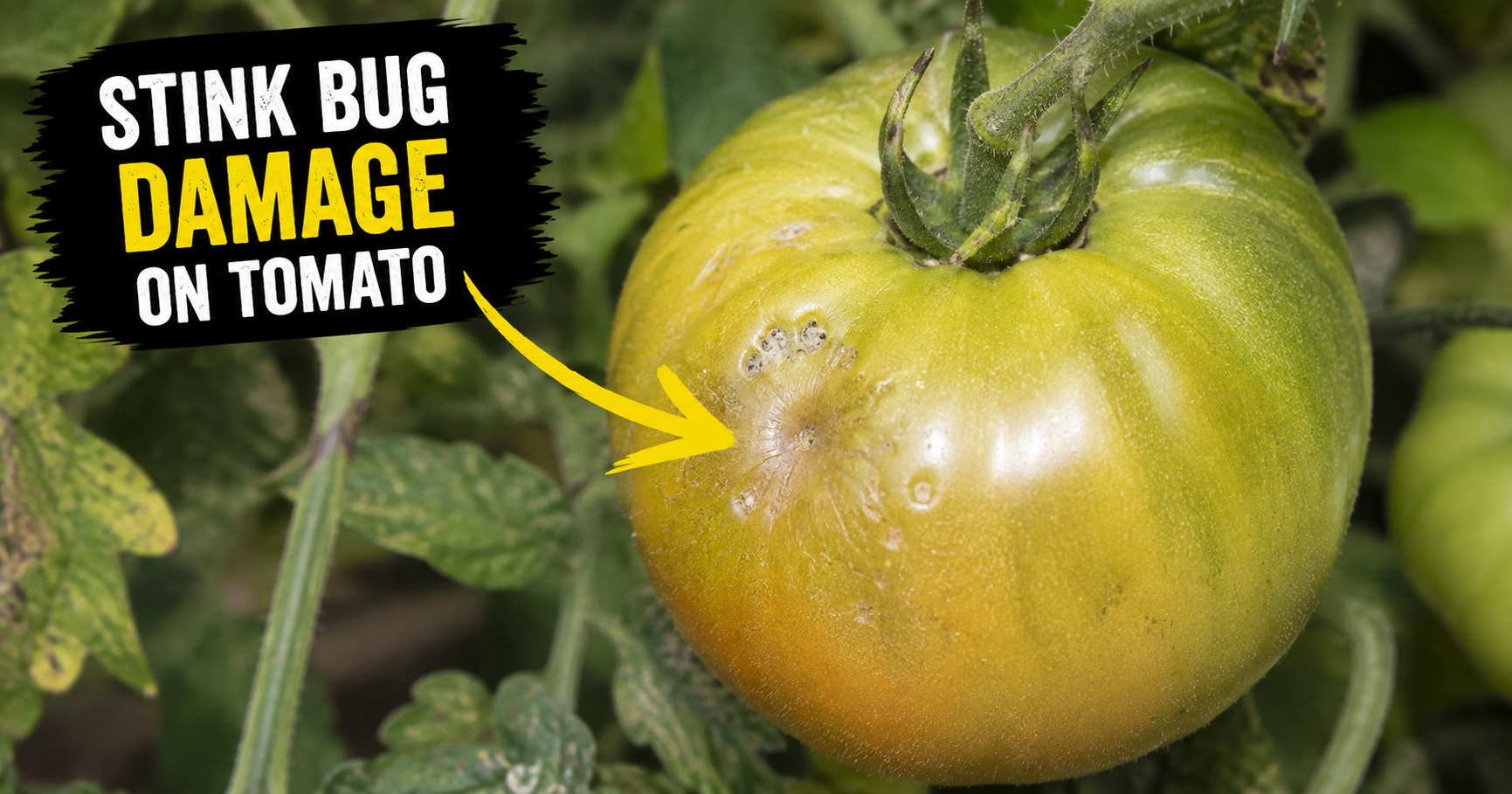
If you are unsure, compare what you see with this guide to stink bug damage on tomatoes. Tomato hornworms, caterpillars, disease, and even heat stress can cause very different problems that need different solutions.

Do Not Treat Every Shield-Shaped Bug as a Pest
This matters more than many gardeners realize. Some stink bugs are predators that eat caterpillars, beetle larvae, and other insects that damage plants. They may look similar to plant-feeding stink bugs, but they are helping your garden.
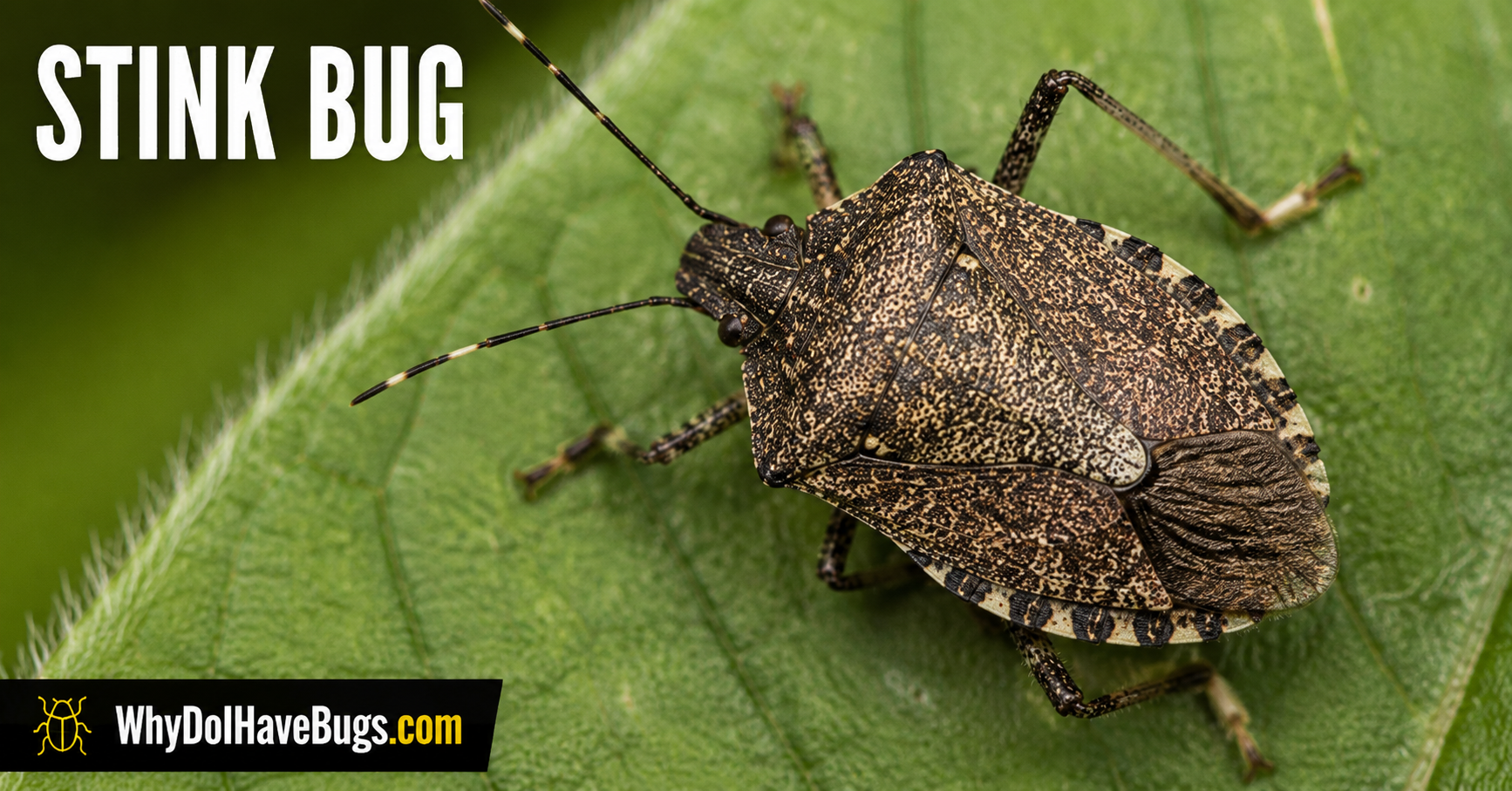
Take a moment to learn how to identify a stink bug before removing every shield-shaped insect you find.
Catch the Problem Early
The best time to control stink bugs is before you see lots of adults wandering around your tomato plants. Adults are mobile, stubborn, and capable of feeding on a lot of fruit. Eggs and small nymphs stay in one area longer and are easier to remove.
I start checking tomato plants as soon as small fruit begins forming. Look over the leaves, stems, flower clusters, and tomatoes themselves every few days. Pay extra attention once tomatoes begin changing color.
Hand-Pick the Bugs You Find
For a home garden, hand-picking is one of the simplest and most reliable ways to reduce stink bug numbers. It is not glamorous, but it works, especially when you stay consistent.
- Bring a small container of water with a few drops of dish soap mixed in.
- Check plants in the morning or later in the day, when bugs may be less active.
- Gently knock adults and nymphs into the container rather than grabbing them with your fingers.
- Look along stems, under leaves, around fruit clusters, and deep inside the plant canopy.
- Repeat every few days during the tomato season.
Stink bugs may drop when disturbed, so I also check the soil and mulch below the plant after I inspect it.

Remove Egg Clusters Before They Hatch
Stink bug eggs are usually laid in neat, tight clusters, often on the undersides of leaves. They can look like tiny barrels or small round capsules grouped together. Removing them before they hatch can prevent a whole batch of nymphs from moving onto your tomatoes.
Scrape the egg cluster into your soapy-water container or remove the leaf section if it is heavily covered. Do not just knock the eggs onto the ground, since some may still hatch nearby.
Look Where Stink Bugs Hide
You will rarely find every stink bug sitting out in the open. They like protected areas where leaves and fruit overlap.
- Check beneath lower leaves close to the ground.
- Look inside thick foliage where tomato branches meet.
- Inspect green fruit as well as ripening fruit.
- Check plant supports, cages, stakes, and nearby weeds.
- Gently shake a branch over a white tray or light-colored bucket if you suspect bugs are hiding inside.
A few minutes of careful checking is usually more effective than walking by once and assuming the plant looks fine.


Keep Nearby Weeds and Host Plants Under Control
Stink bugs feed on more than tomatoes. They move between weeds, ornamental plants, fruit trees, vegetables, and other nearby plants as food becomes available. Keeping heavy weed growth trimmed around the garden removes some of the hiding places they use.
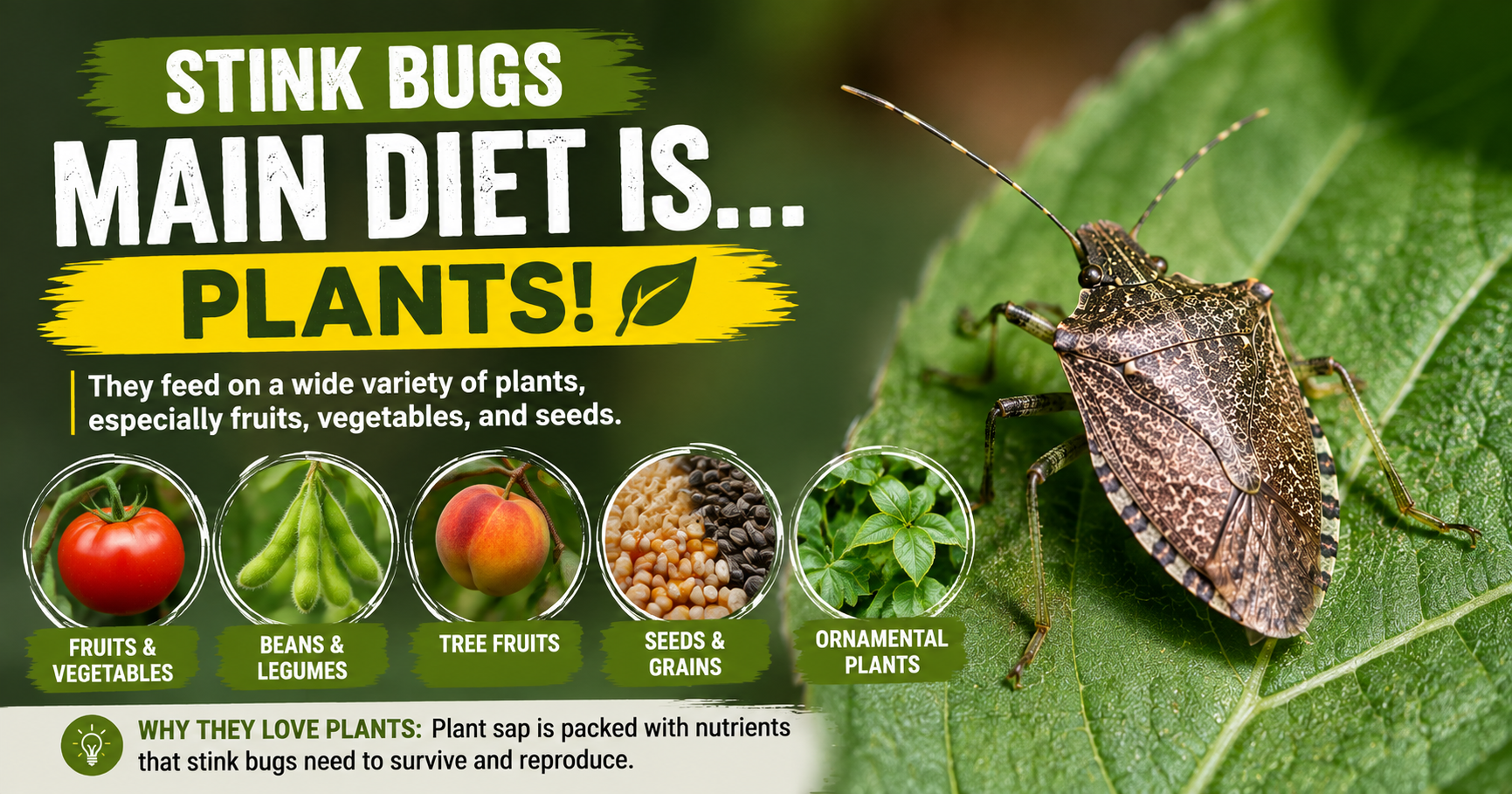
It also helps to know what stink bugs eat, because the source of the problem may be growing right beside your tomatoes.
I do not expect weed control alone to eliminate stink bugs, but it makes inspecting and managing tomato plants much easier.
Protect Tomato Plants With Insect Netting
Fine insect netting can help keep stink bugs off tomato plants when used early enough. It is most useful before a heavy infestation has already started and before bugs have easy access to developing fruit.
Tomatoes need pollination, though, so do not seal flowering plants away without a plan. You can uncover plants during pollination periods, hand-pollinate gently by tapping flower clusters, or use netting after fruit has set.
Make sure the netting is secured at the bottom. Even a small opening gives stink bugs an easy way inside.
Harvest Ripe Tomatoes Promptly
Leaving ripe tomatoes on the plant longer than necessary gives stink bugs more time to feed. I pick tomatoes as they ripen and let them finish coloring indoors when needed.
Remove badly damaged, split, or rotting fruit from the garden too. This will not solve a stink bug infestation by itself, but it keeps the plant area cleaner and makes new damage easier to notice.
Avoid These Common Mistakes
A lot of popular pest-control advice sounds easy but can create more problems than it solves.
Do Not Spray Indoor Bug Killer on Tomato Plants
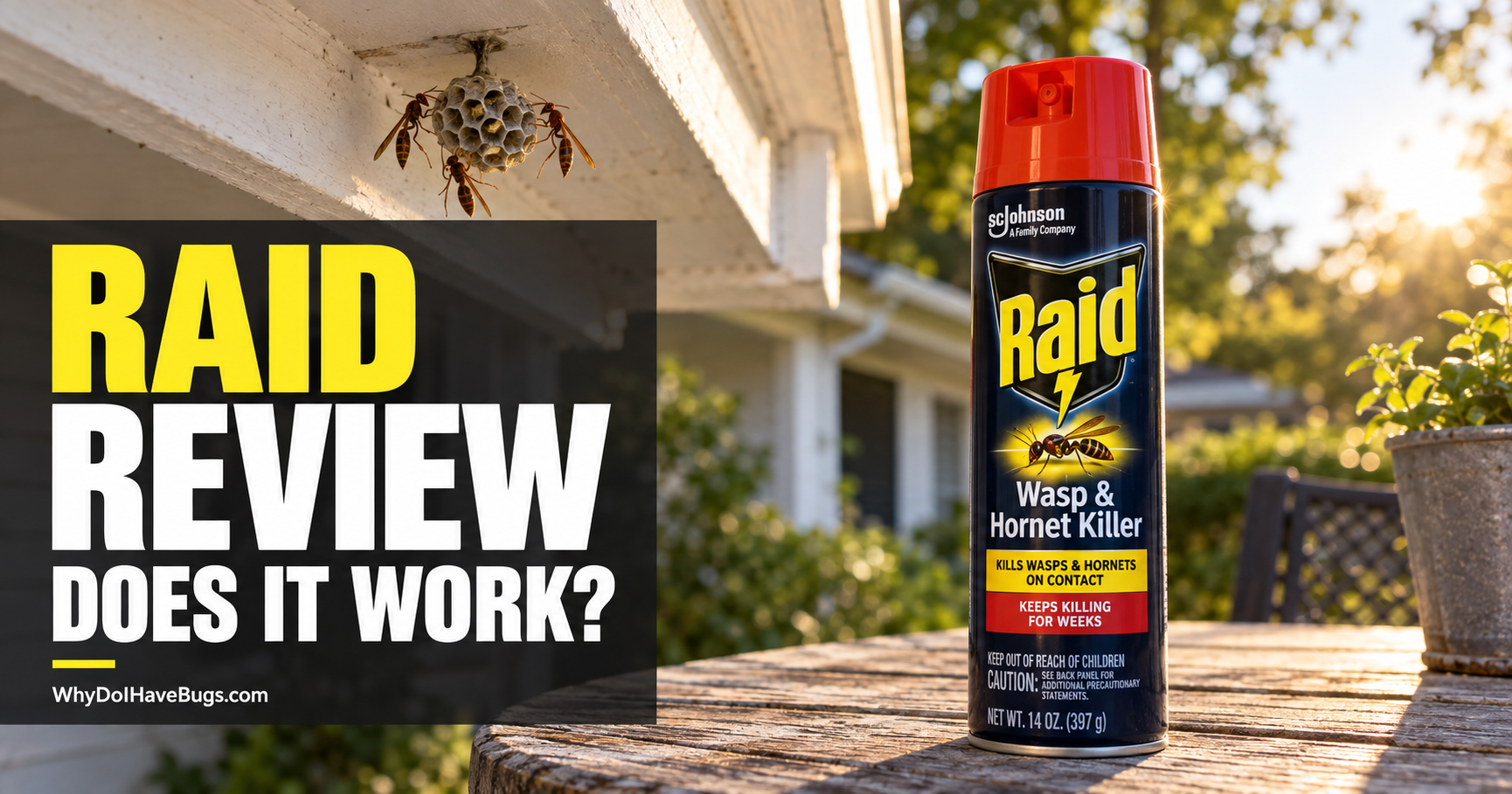
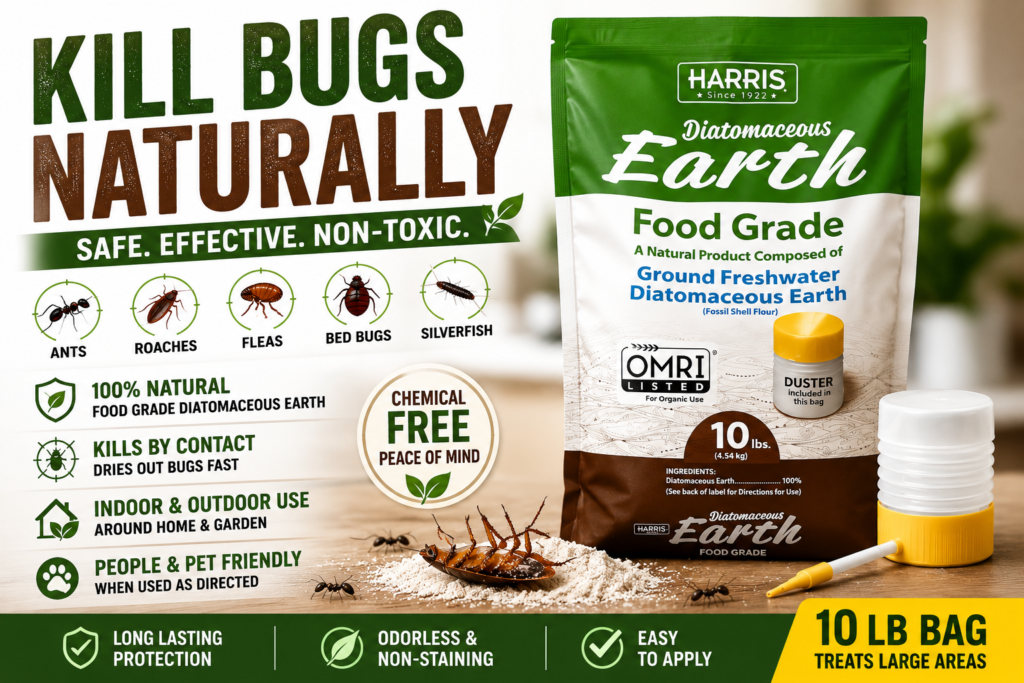
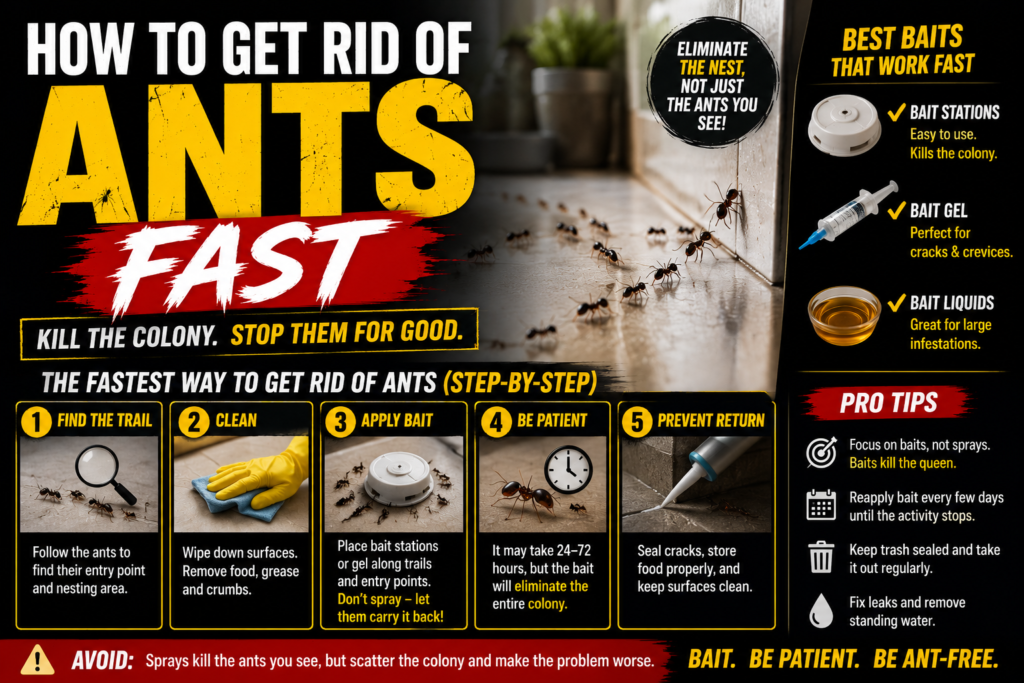
Products made for indoor ants, roaches, or household pests do not belong on edible plants unless the label specifically says they can be used on tomatoes. A product being good at killing insects does not make it safe or legal to use on food crops. For broader identification and control guidance, see indoor ants, roaches, or household pests.
Do Not Rely on Dish Soap Sprays
A container of soapy water is useful for drowning stink bugs you remove by hand. That is very different from spraying dish soap all over tomato foliage. Homemade soap sprays can burn leaves, especially in hot weather, and they are not a dependable answer for adult stink bugs.
Do Not Spray Broad Insecticides Just Because You See One Bug
Routine spraying can harm bees and beneficial insects while doing little to stop new stink bugs from flying in later. If you only find one or two bugs, hand removal and closer monitoring are usually the better first move.
When a Tomato-Labeled Insecticide May Be Reasonable
If you are finding many stink bugs repeatedly, fresh damage is building up, and hand-picking is not keeping pace, a pesticide may be worth considering. I would only use one that specifically lists both tomatoes and stink bugs on its label.
Read the entire label before buying or applying anything. Pay close attention to the application rate, the number of days you must wait before harvesting, and pollinator warnings. Adult stink bugs can be difficult to control, so no spray should be treated as a one-time fix.
Use Garden Products Responsibly
If you decide a labeled product is necessary, these basics matter.
- Confirm the label specifically allows use on tomato plants.
- Use the exact amount and mixing instructions on the label.
- Avoid spraying open blooms or spraying while bees are actively visiting flowers.
- Do not apply more often than the label permits.
- Wear the protective clothing listed on the product label.
- Keep checking plants afterward, because stink bugs may return from nearby vegetation.
The goal is to protect your tomatoes while causing as little disruption as possible to the rest of the garden.
What to Do With Damaged Tomatoes
Stink bug damage already inside a tomato will not heal, but the tomato may still be usable. Cut it open and inspect the fruit. If the damage is small and the tomato is otherwise firm and healthy, you can cut away the affected part and use the rest.
Discard tomatoes that are badly misshapen, rotting, moldy, or soft throughout. For more help telling the difference, look at these examples of tomato injury caused by stink bugs.
Prevent Stink Bugs Next Season
You may never stop every stink bug from entering your garden, but you can make damage much less likely.
- Begin checking plants early, before tomatoes start ripening.
- Remove egg clusters and young nymphs as soon as you find them.
- Keep weeds and overgrown vegetation near tomato plants under control.
- Use insect netting before stink bugs become common.
- Harvest tomatoes promptly.
- Avoid unnecessary broad-spectrum sprays that can kill helpful predators.
Consistent small steps usually work better than waiting until the plants are covered in bugs and trying to solve everything at once.
Frequently Asked Questions
What is the fastest way to get rid of stink bugs on tomato plants?
Hand-picking adults and nymphs into soapy water is usually the fastest option for a small garden. Check plants every few days and remove egg clusters before they hatch.
Will soapy water kill stink bugs?
Yes, dropping stink bugs into a container of soapy water will kill them. I would not use a homemade dish-soap spray as the main treatment on tomato plants because it can injure foliage and may not control adult stink bugs well.
Can I eat tomatoes with stink bug damage?
Often, yes. Cut the tomato open first. If the damaged area is small and the rest of the fruit is firm and healthy, remove the affected section and use the rest. Throw it away if it is rotten, moldy, or badly damaged.
Does insect netting keep stink bugs off tomatoes?
It can help a lot when installed early and secured around the bottom of the plant. Remember that tomato flowers need pollination, so you may need to uncover plants temporarily or hand-pollinate while they are blooming.
Should I use a pesticide for stink bugs on tomatoes?
Only if you have ongoing damage and manual removal is not enough. Choose a product labeled specifically for stink bugs on tomatoes, and follow every label direction, including harvest timing and pollinator precautions.
Why do stink bugs keep coming back to my tomato plants?
Tomatoes are one of many plants stink bugs feed on. New adults can move in from weeds, fruit trees, ornamental plants, and nearby gardens, which is why regular checking matters even after you remove the bugs you see.
Caleb Warren is a longtime gardener and backyard insect researcher who writes practical garden pest guides for WhyDoIHaveBugs.com, helping homeowners identify the real cause of plant damage before spending money on treatments.