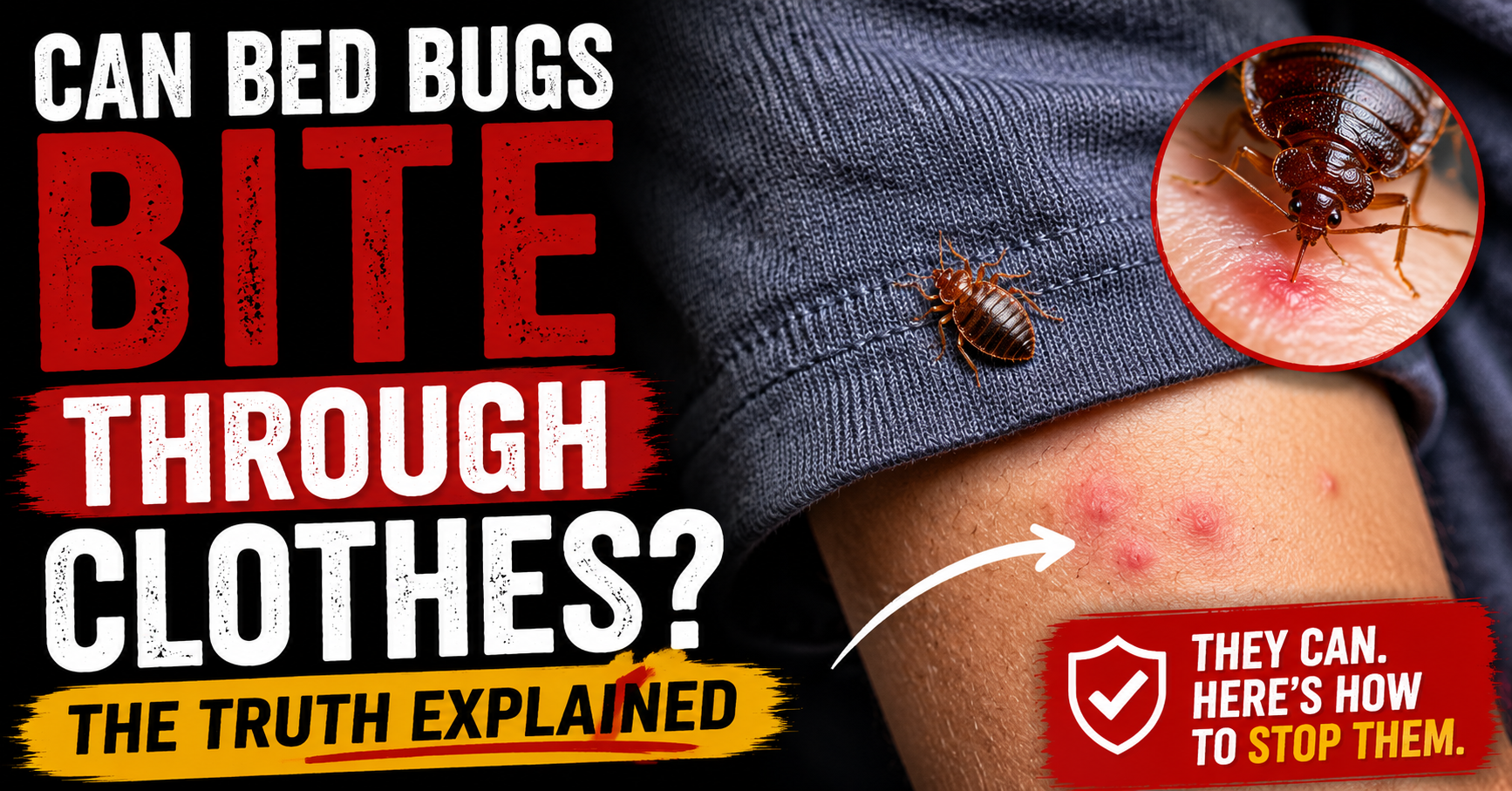
One question I hear surprisingly often is:
“If I wear more clothes to bed, will bed bugs still bite me?”
I understand why people ask.
After discovering bed bugs, it’s natural to start looking for ways to protect yourself while you’re figuring out how to eliminate them. Some people wear long sleeves, thick sweatpants, socks, hoodies, or even gloves to bed hoping the bugs won’t be able to reach their skin.
The truth is a little more complicated.
Bed bugs don’t chew through fabric like moths or some other pests. They aren’t capable of biting through most clothing.
However, that doesn’t mean wearing extra clothes will stop them from feeding.
In many cases, they’ll simply crawl until they find exposed skin.
Understanding that behavior can help you focus on solutions that actually work instead of wasting time on ones that don’t.
Sarah’s First Impression
Whenever someone asks me whether bed bugs can bite through clothes, I know they’re usually asking another question.
“How can I stop getting bitten tonight?”
My answer is almost always the same.
Instead of trying to outsmart the bed bugs with extra layers of clothing, I’d focus on reducing the infestation itself.
Protecting yourself for one night doesn’t solve the problem tomorrow.
How Bed Bugs Feed
Bed bugs don’t burrow into your skin.
They don’t stay attached like ticks.
They feed for a relatively short period, usually while you’re asleep, then crawl back to their hiding place.
They’re attracted by cues such as body heat and the carbon dioxide you exhale while sleeping.
Once they reach you, they look for exposed areas where feeding is easiest.
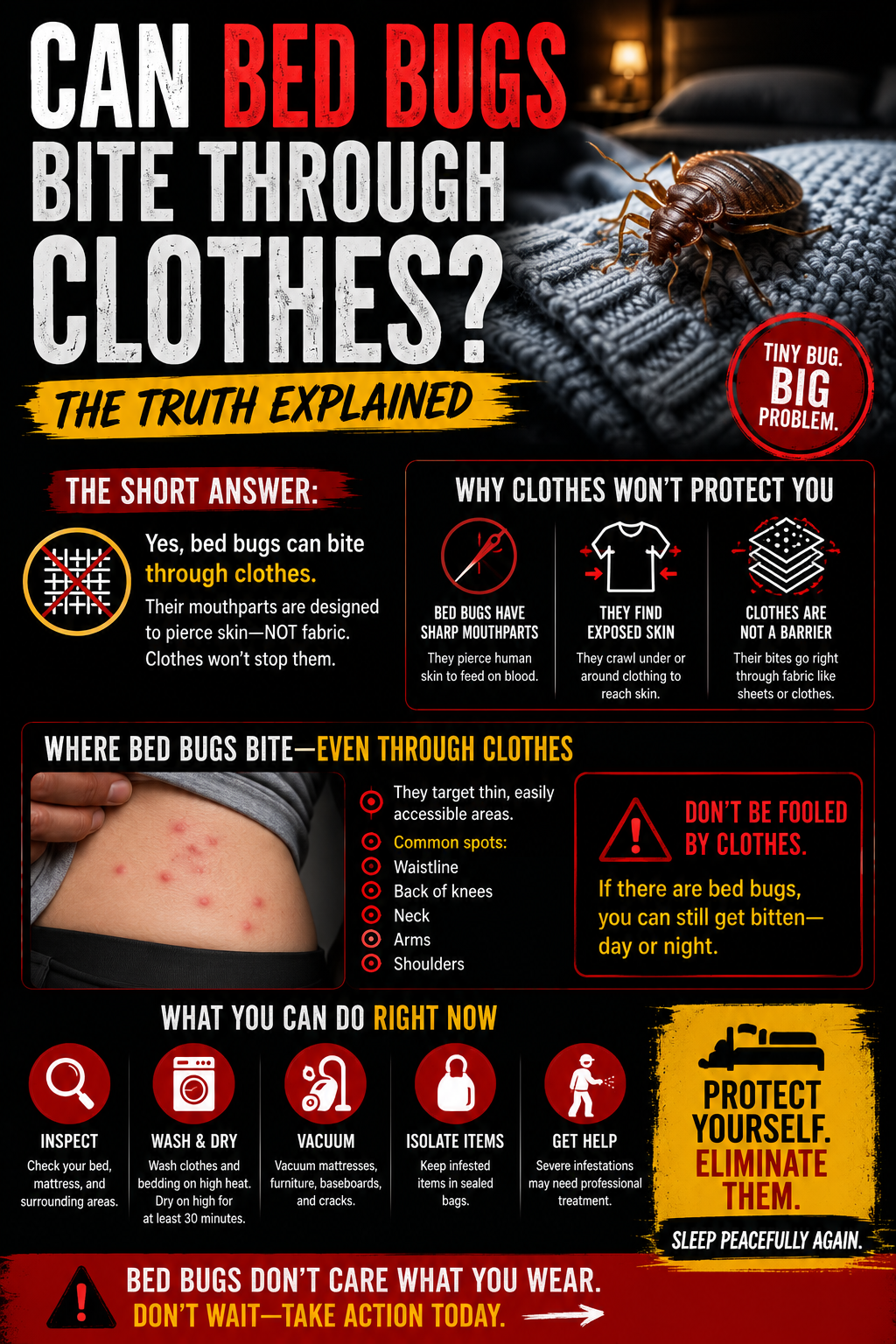
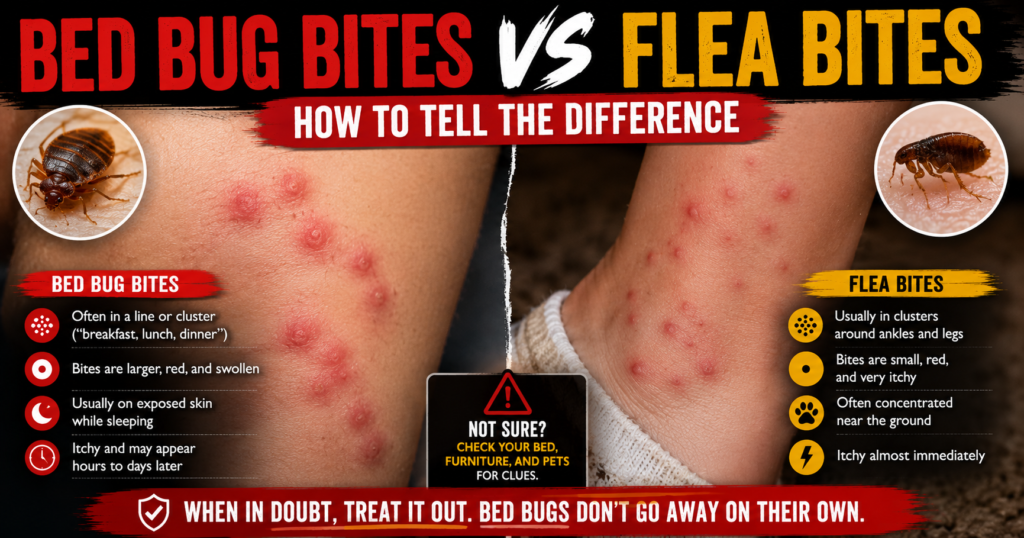
That’s why bites commonly appear on:
- Arms
- Hands
- Neck
- Shoulders
- Face
- Lower legs
The location depends largely on what skin is available.

Can They Bite Through Thin Clothing?
Most evidence suggests bed bugs are not adapted to bite through typical clothing fabrics. If clothing fits tightly against the skin or is extremely thin, there may be situations where a person believes they were bitten “through” the fabric, but it’s often difficult to know whether the bug actually reached exposed skin through an opening instead.
From what I’ve seen, bed bugs usually choose the easier option.
They crawl to an uncovered area rather than trying to feed through clothing.
Will Wearing More Clothes Stop Bed Bug Bites?
Usually not.
I’ve heard stories from homeowners who slept wearing:
- Long sleeves
- Sweatshirts
- Thick socks
- Sweatpants
- Gloves
Yet they still woke up with bites.
Why?
Because bed bugs simply found exposed skin around:
- Wrists
- Neck
- Face
- Ankles
- Waistline
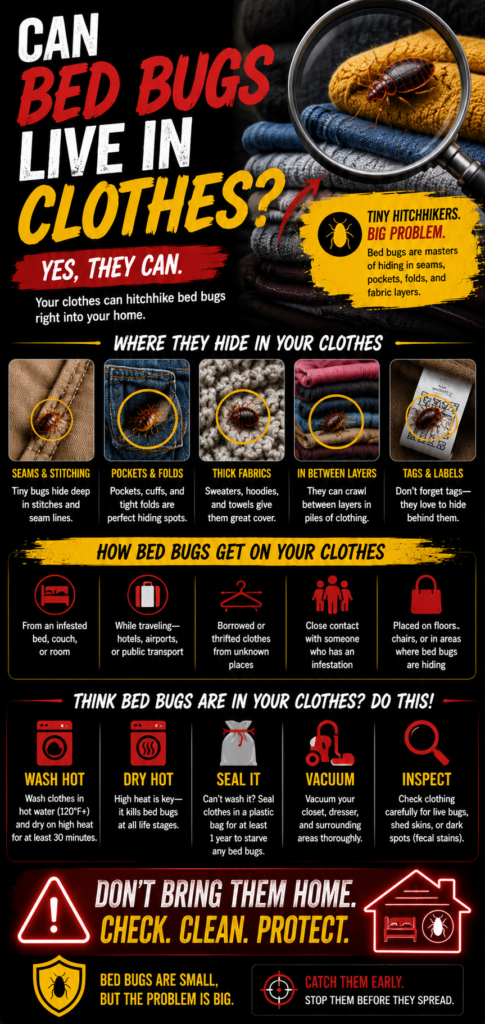
Adding more clothing may reduce the amount of exposed skin, but it doesn’t eliminate the infestation. If you're worried that clothing itself may be harboring bugs, Can Bed Bugs Live in Clothes? What You Need to Know explains when clothes deserve closer attention.


What About Pajamas?
Pajamas don’t attract bed bugs.
People do.
Bed bugs aren’t interested in the fabric itself.
They’re interested in reaching a sleeping person.
Changing pajamas every night won’t stop an infestation if bed bugs are already hiding nearby.
Where I’d Focus Instead
If someone asked me how to reduce bites, I wouldn’t tell them to buy thicker pajamas.
I’d recommend finding where the bed bugs are hiding.
That’s where the real solution begins.
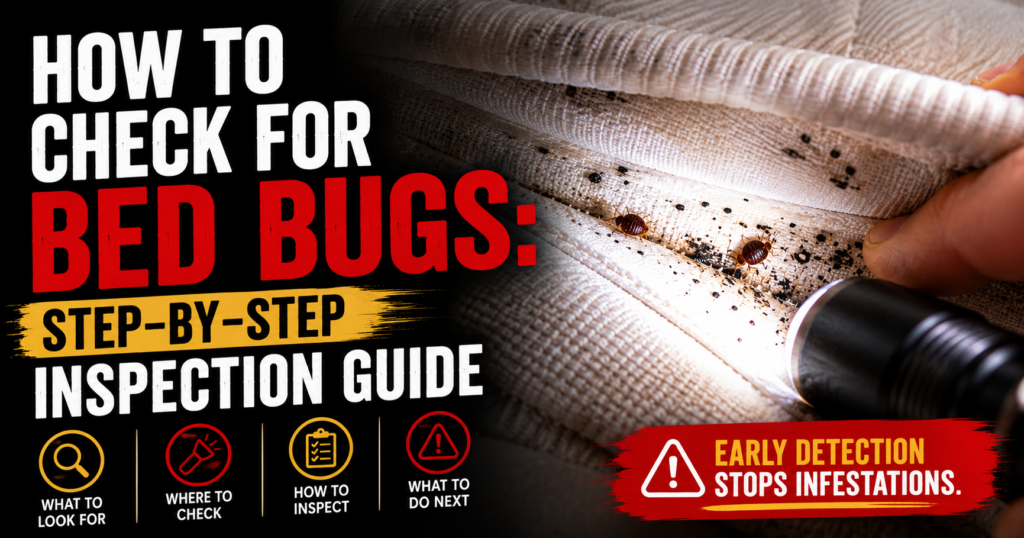
Our guide on How to Check for Bed Bugs walks through exactly how I inspect a bedroom before making treatment decisions.
Look Beyond the Bites
One mistake I see all the time is people focusing only on new bite marks.
Bites can raise suspicion.
They can’t confirm bed bugs.
Instead, I also look for:
- Live bugs
- Shed skins
- Tiny white eggs
- Dark fecal spots
- Blood stains on bedding
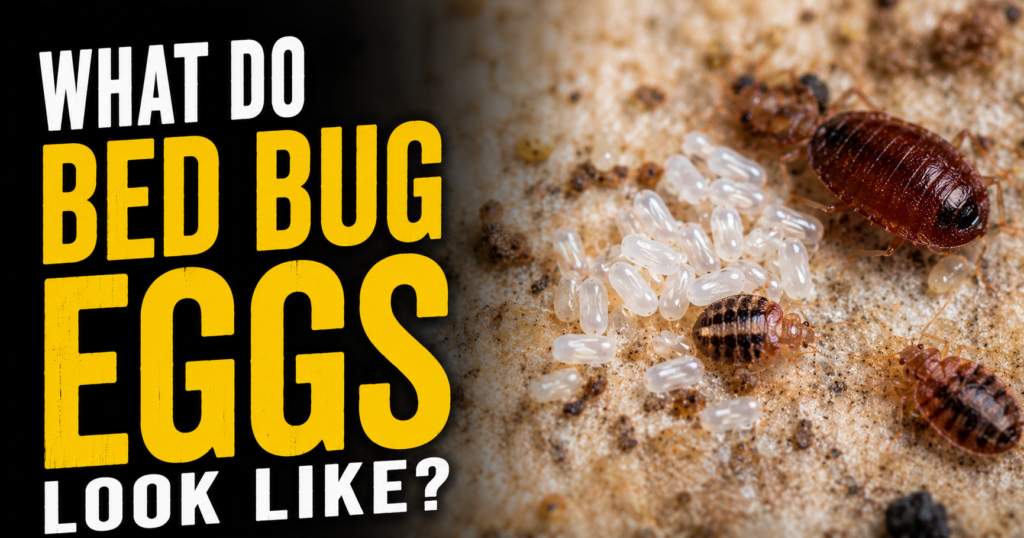
If you’re unsure about the eggs, our guide on What Do Bed Bug Eggs Look Like? explains what I look for during an inspection.
What If You’re Still Getting Bitten?
If you’re waking up with new bites every morning, I wouldn’t spend my energy trying different clothing combinations.
I’d spend that time inspecting the room.
Start with:
- Mattress seams
- Box spring
- Bed frame
- Headboard
- Nightstands
- Upholstered furniture
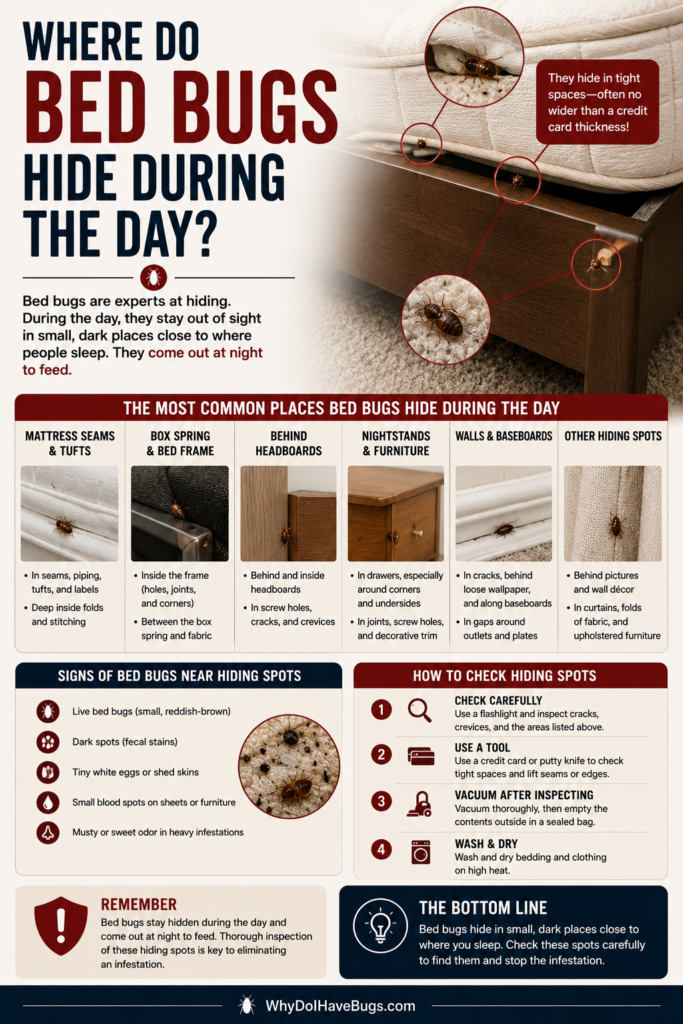
Our article on Where Do Bed Bugs Hide During the Day? explains why those locations are almost always my first stop.
What I Would Do If This Were My House
If I discovered bed bugs tonight, I wouldn’t try sleeping in heavy winter clothes.
I’d focus on solving the infestation.
I’d inspect carefully.
I’d protect the mattress.
I’d monitor activity.
I’d begin treatment as soon as I understood how widespread the problem was.
That approach addresses the cause instead of temporarily reacting to the symptoms.
Products That Can Help
If you’ve confirmed bed bugs are present, protecting your bed is one of the first steps I’d take.
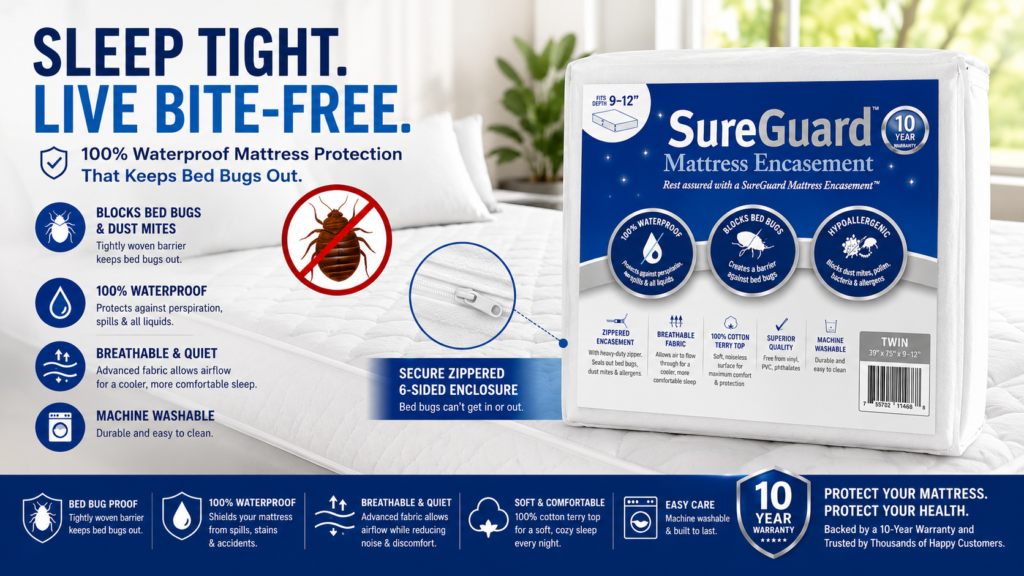
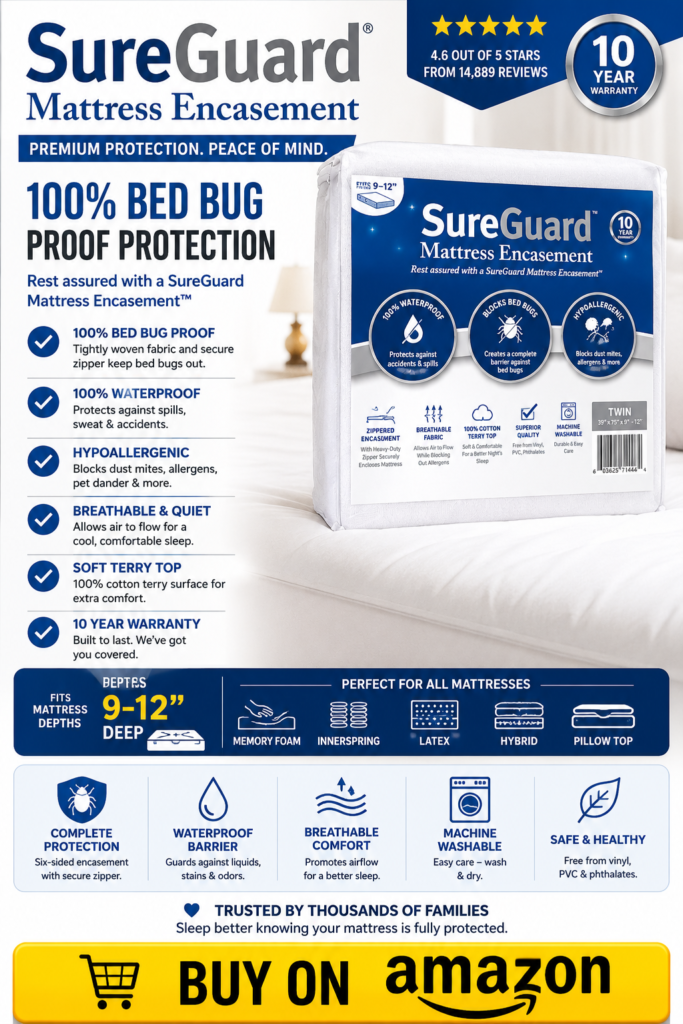
A quality SureGuard Mattress Encasement can eliminate one of the insects’ favorite hiding places while making future inspections much easier. Our review explains whether mattress encasements really work for bed bugs and what to expect.
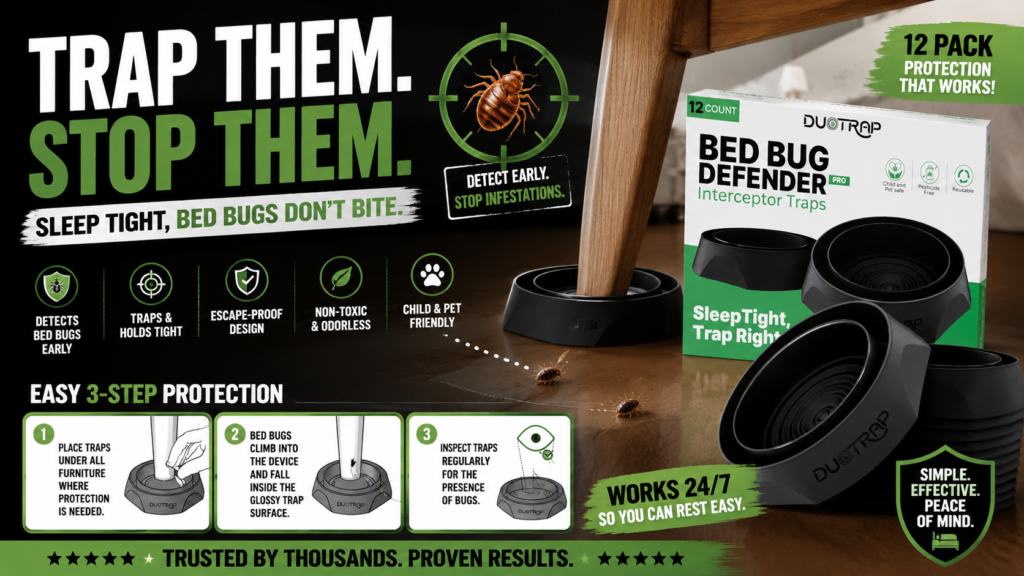
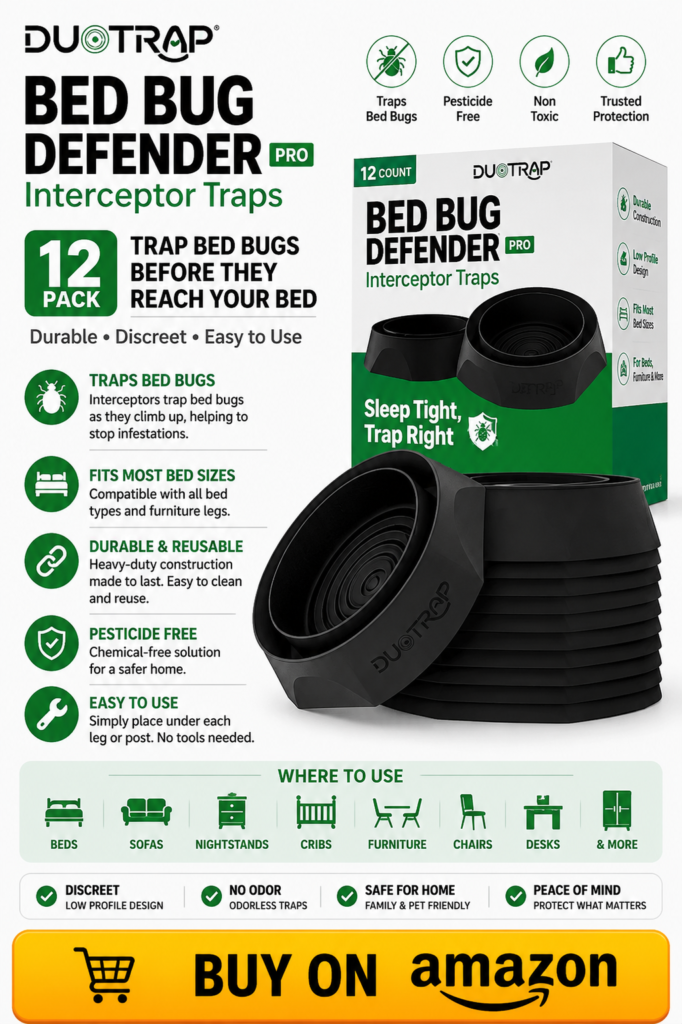
To monitor whether bed bugs are still active, I also like using bed bug interceptor cups. Our review of bed bug interceptor cups explains why they’re one of the easiest ways to track activity over time.
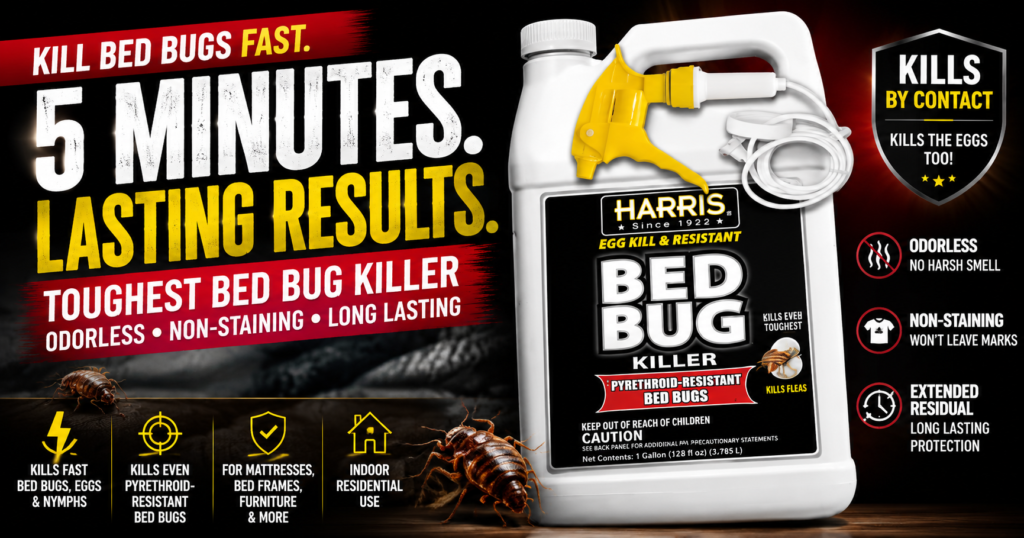
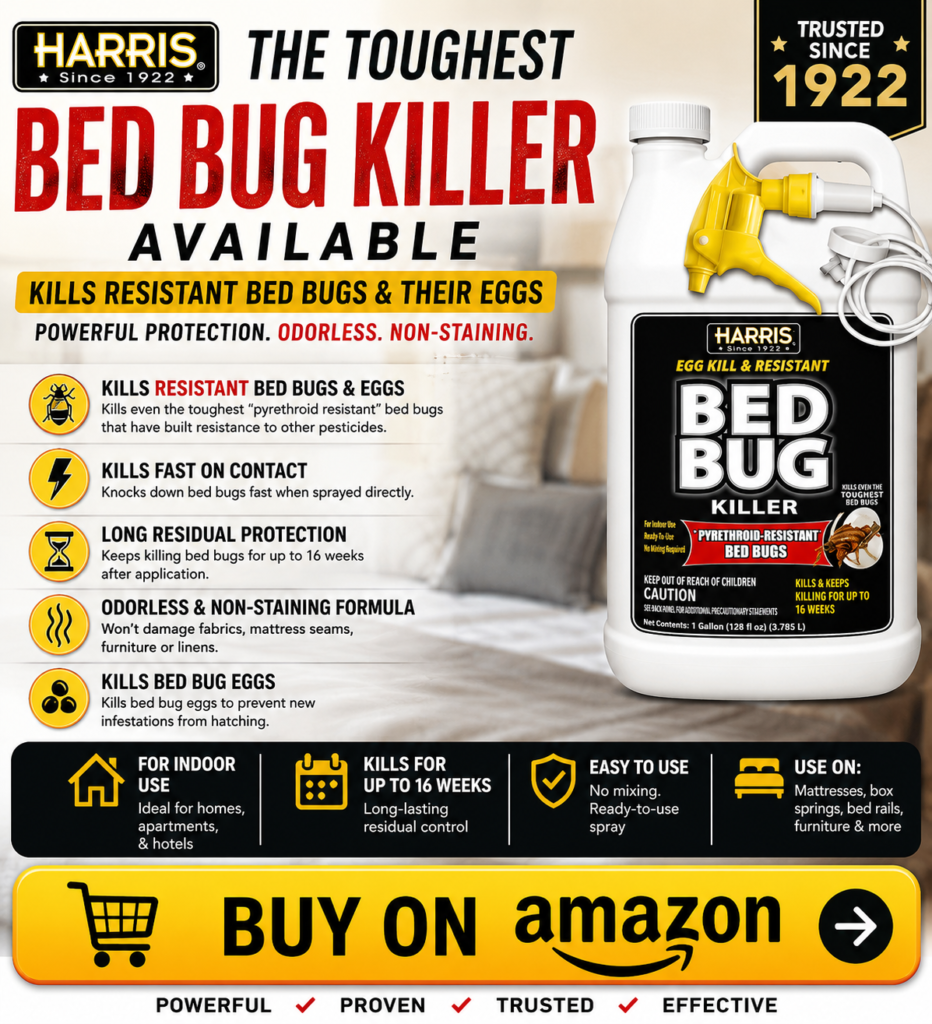
If treatment becomes necessary, many homeowners use Harris Toughest Bed Bug Killer. Our review of Harris Toughest Bed Bug Killer explains where it fits into an overall treatment strategy.
The Biggest Myth I Hear
The biggest myth I hear is:
“If I wear enough layers, the bed bugs won’t be able to bite me.”
Unfortunately, bed bugs are patient.
If they can’t reach your skin immediately, they’ll often keep searching until they find an exposed area.
That’s why clothing alone isn’t an effective long-term solution.
Frequently Asked Questions
Can bed bugs bite through jeans?
Heavy fabrics like denim are generally much harder for bed bugs to feed through than exposed skin. In most cases, they will look for uncovered areas instead.
Can bed bugs bite through pajamas?
They usually don’t bite through typical pajama fabric. Instead, they often crawl until they find exposed skin.
Will sleeping fully clothed stop bed bugs?
No. Wearing more clothing may reduce exposed skin, but it won’t eliminate an infestation or guarantee you won’t be bitten.
Should I wear socks to bed if I have bed bugs?
Socks may cover your feet and ankles, but bed bugs can still feed on other exposed areas of your body.
What’s the best way to stop bed bug bites?
The most effective approach is finding and eliminating the infestation rather than relying on clothing for protection.
About the Author
Sarah Bennett researches bed bugs, household pests, and practical home inspection methods. She focuses on helping homeowners understand bed bug behavior, identify infestations accurately, and choose realistic solutions that solve the problem instead of masking it.