Boxelder bugs are one of those pests that can make a house look infested overnight. You may see dozens or hundreds of black-and-red bugs covering a sunny wall, squeezing around windows, or showing up on indoor sills. The reassuring part is that they are mostly a nuisance pest. They do not breed in the living areas of your house, chew through wood, or create the kind of indoor infestation people associate with roaches or bed bugs.
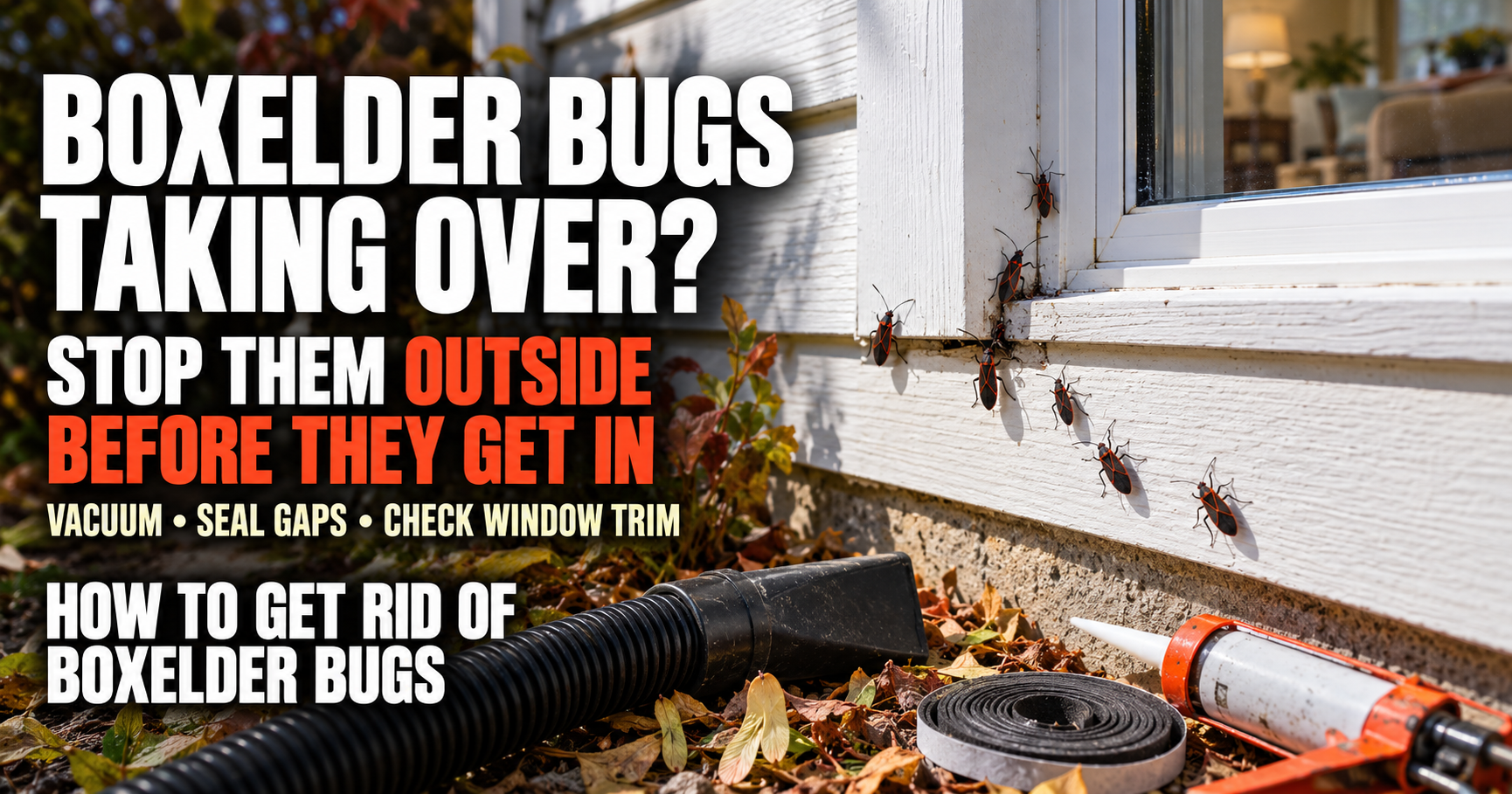
The best way to get rid of boxelder bugs is to remove the ones already inside, keep more from finding a way in, and reduce the places where they gather along the outside of the house. Spraying bugs you see can provide a short-term knockdown, but sealing their entry points is what makes the lasting difference.
Start by Making Sure They Are Actually Boxelder Bugs
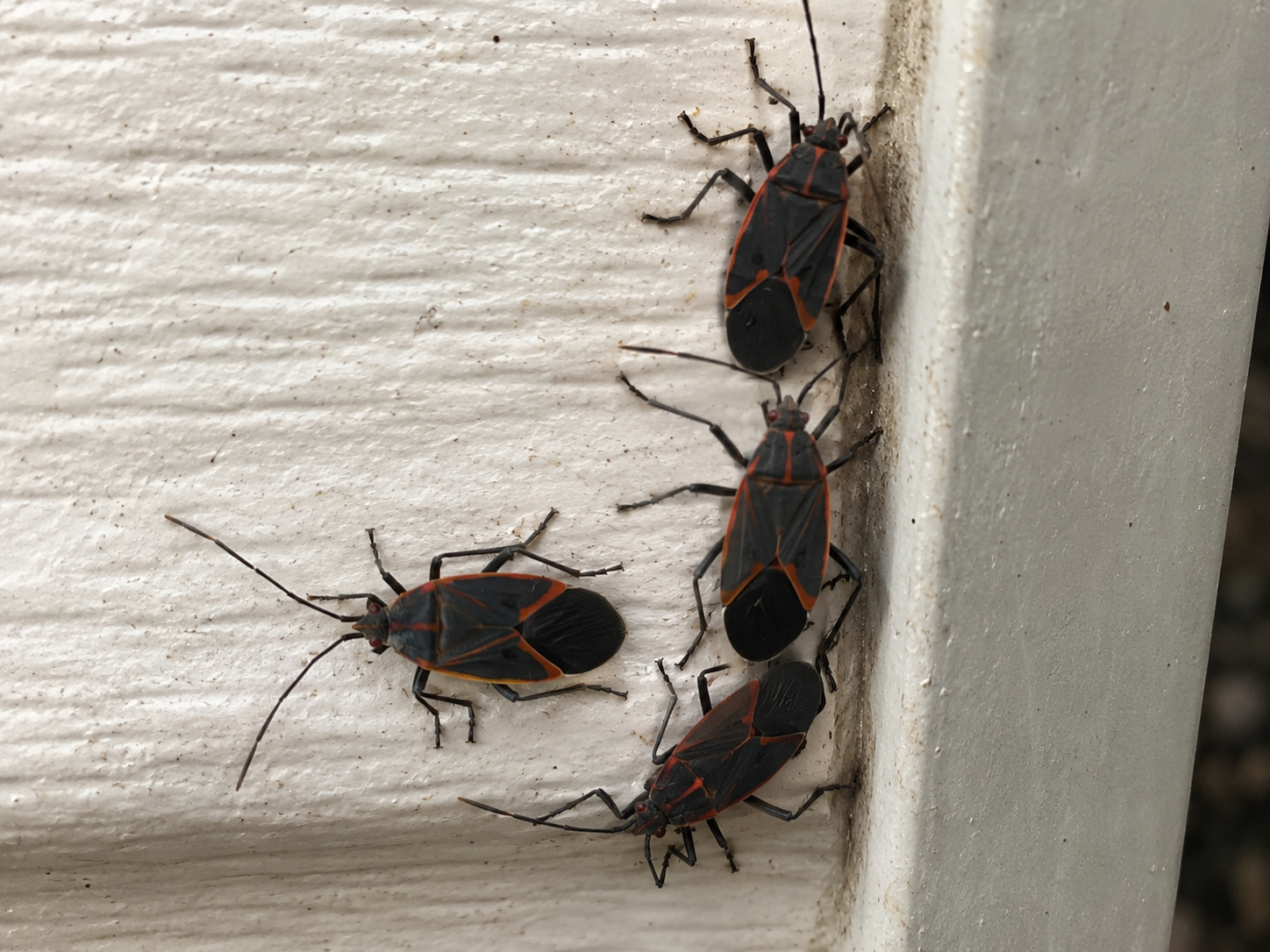
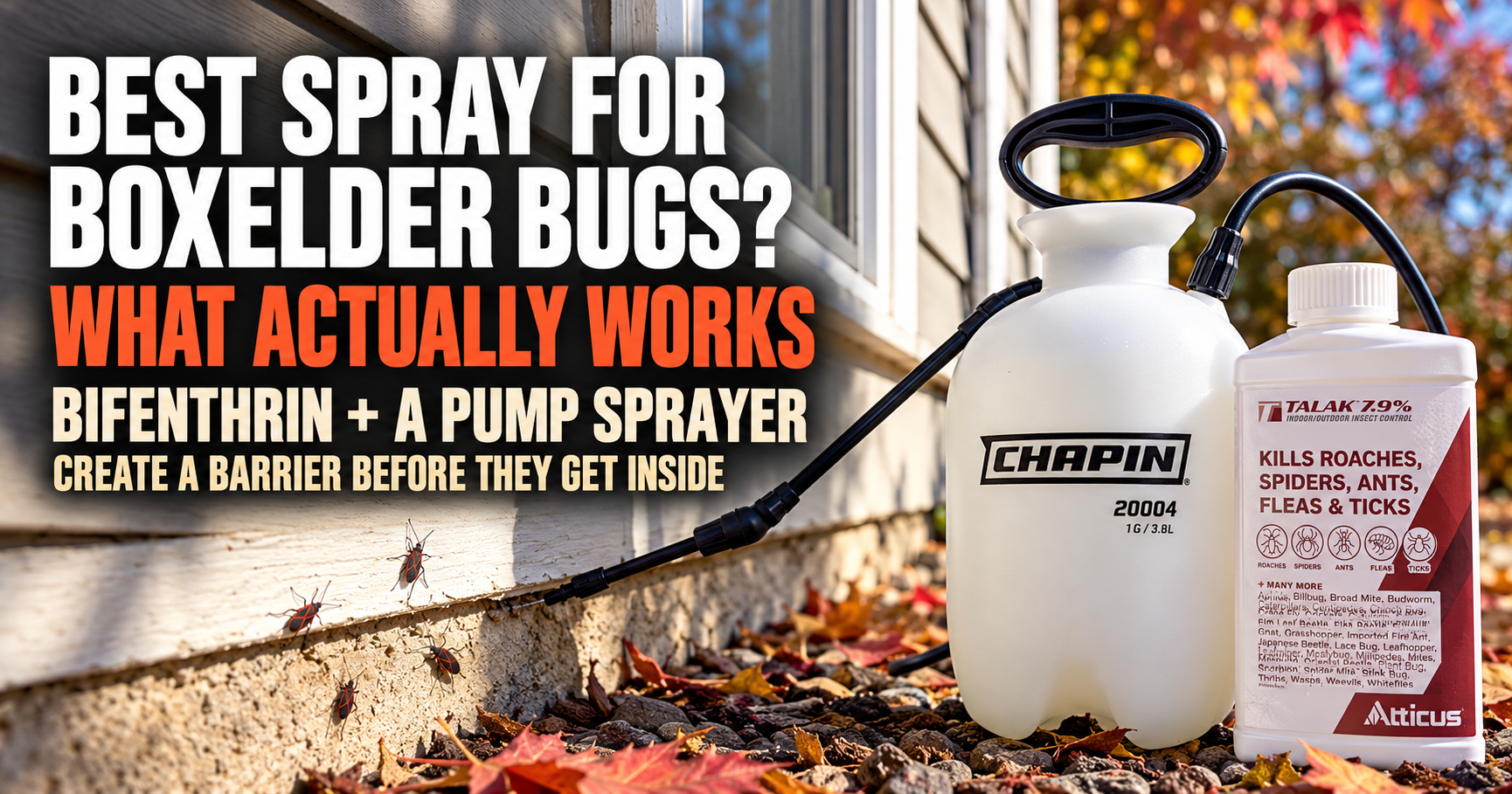
Boxelder bugs are flattened, narrow insects with a black body and bright red or orange lines. Adults are usually around half an inch long, while the younger bugs are much redder and lack full wings. They commonly gather in large groups on warm south- or west-facing walls during fall and on mild winter or spring days.
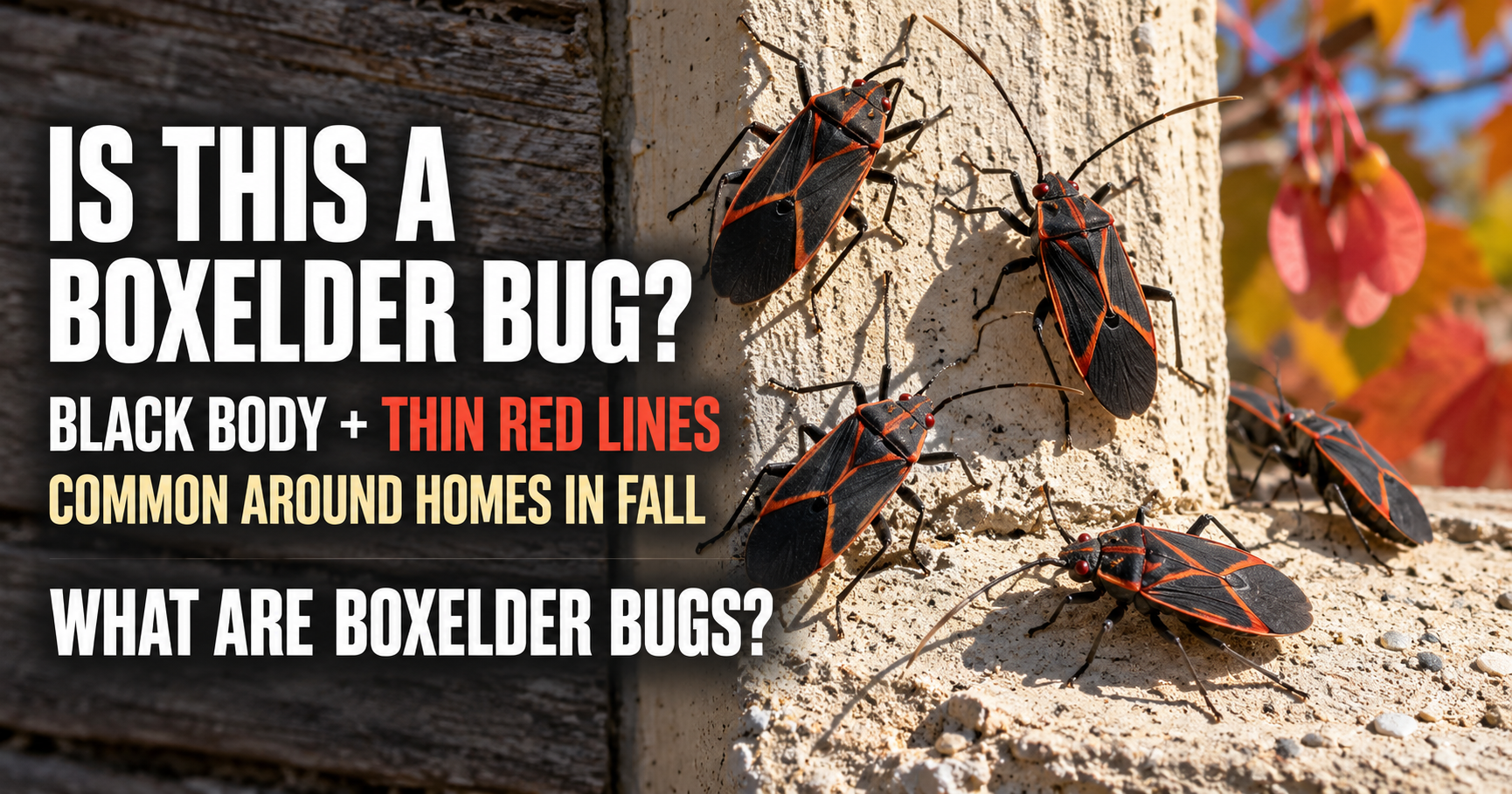
If the bugs around your home do not have that clear black-and-red pattern, look at this boxelder bug identification guide before treating them. Stink bugs, milkweed bugs, and even spotted lanternfly nymphs can be mistaken for boxelder bugs, but they need different answers.


Why Boxelder Bugs Keep Showing Up at Your House
Boxelder bugs spend the warm part of the year outdoors feeding and reproducing around boxelder trees, maples, ash trees, and sometimes other plants. In late summer and fall, adults begin looking for protected places to spend the winter.
A house with a warm sunny exterior can be exactly what they want. They collect on siding, around windows, beneath trim, behind shutters, near soffits, and along the foundation. From there, they look for narrow openings that lead into wall voids, attics, garages, and eventually living spaces.
They can also appear indoors during winter or early spring. Indoor heat can wake bugs hidden in walls and make them wander toward windows or lights. That does not mean they reproduced inside. It means they found shelter earlier and got confused by the temperature.
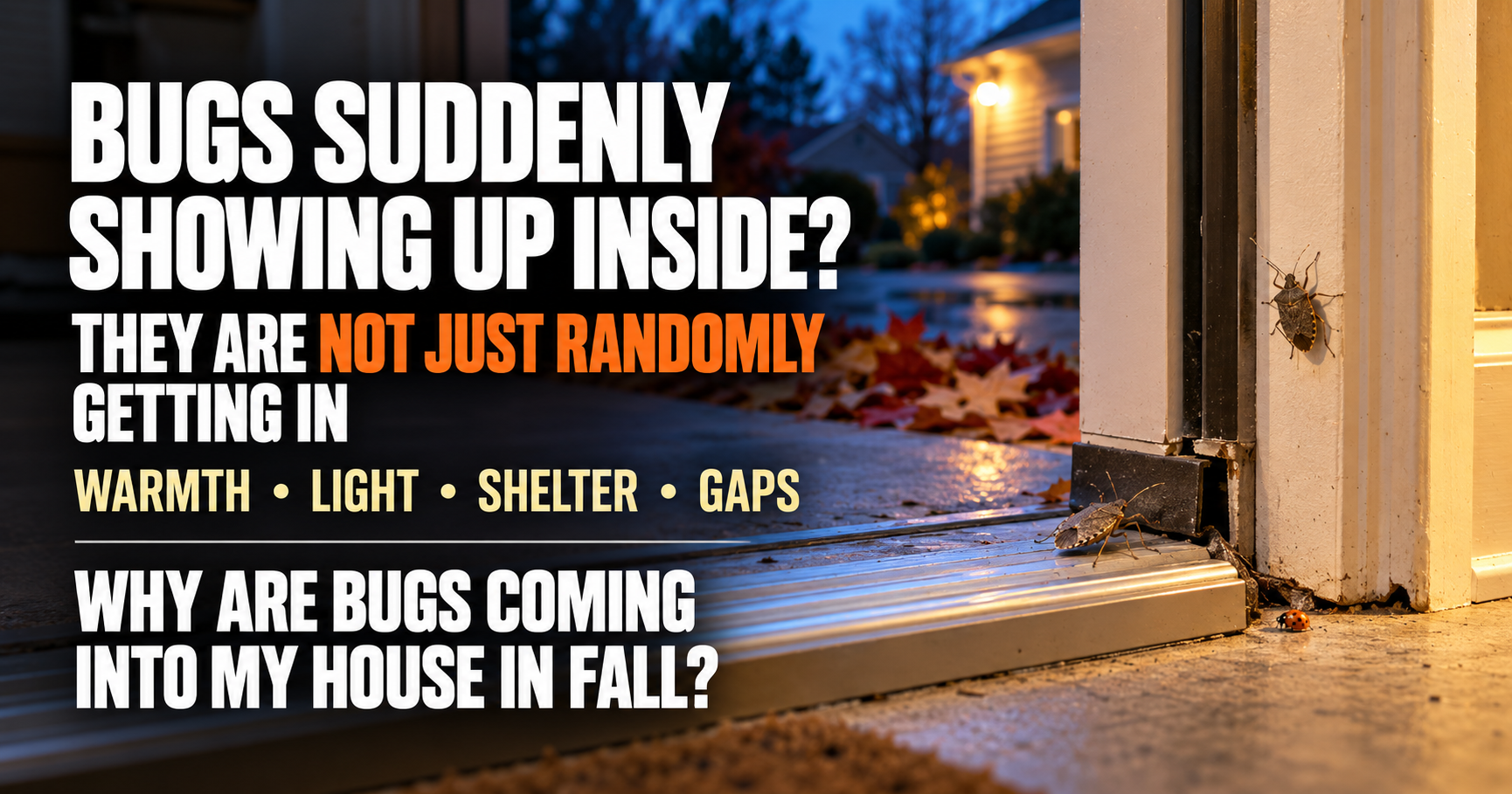
For the bigger seasonal pattern behind this problem, see why bugs come into houses in fall. Boxelder bugs are one of the classic fall home invaders.
How to Get Rid of Boxelder Bugs Inside the House
For bugs already indoors, physical removal is usually more useful than spraying the room. The goal is to get them out without leaving stains on fabrics, walls, curtains, or light-colored trim.
Vacuum Them Up
A vacuum with a hose attachment is the quickest way to remove boxelder bugs from window sills, baseboards, curtains, closets, and corners. Move slowly enough to get the bugs instead of startling them into cracks.
Empty the vacuum canister outside right away, or remove the bag and seal it before throwing it away. Do not let the contents sit in an indoor trash can, since some bugs may crawl back out.
If you are using a bagless vacuum, I would rinse the canister after emptying it. Boxelder bugs can leave dark marks and an unpleasant odor if they are crushed.
Use a Broom and Dustpan for Small Groups
A broom and dustpan work well when bugs are on a hard floor, garage slab, basement floor, porch, or patio. Sweep them gently into a container or bag rather than smashing them against the surface.
This is especially useful when only a handful are coming out around one window. There is no need to bring out a pesticide for three or four sluggish bugs that can be removed in less than a minute.
Do Not Use a Bug Bomb or Indoor Fogger
Foggers are a poor match for boxelder bugs. These insects tend to hide in wall voids, trim gaps, and other protected spaces, so a fogger in the middle of a room does not solve the entry problem. It also puts pesticide residue over far more of the home than necessary.
The same goes for repeatedly spraying indoor baseboards every time a bug appears. The bugs you see are usually passing through from a hidden area, not building a nest in the room.
Watch Windows, Light Fixtures, and Houseplants
Boxelder bugs often show up near windows because they are drawn to light. They may also end up around lamps, sliding doors, and houseplants, especially if they have emerged from a nearby wall void looking for moisture.
Check those spots daily during an active period. A quick vacuum routine is far easier than waiting until the bugs spread through several rooms.
The Most Important Fix Is Keeping Them Outside
If your home gets boxelder bugs every fall, treat it as an exclusion problem. They only need a tiny gap to get into a wall or attic, and many homes have more of those openings than people realize.
The most useful time to work on exclusion is before the big fall gathering begins, but it is still worthwhile whenever you notice a repeat entry point.
Check Around Doors and Windows
Inspect the weatherstripping around exterior doors first. Light showing under a door, cracked sweeps, loose thresholds, and worn weatherstripping can all give bugs an easy route inside.
Then look around window frames, storm windows, screens, and exterior trim. Old caulk that has pulled away from siding or cracked around the window deserves attention. Replace damaged screens rather than assuming a small tear does not matter.
Seal Gaps Around Siding and Utilities
Walk slowly around the outside of the home in daylight. Look where siding meets trim, where pipes and wires enter the wall, around hose bibs, around cable lines, and near the foundation.
Use an exterior-rated caulk for narrow stationary cracks. Larger gaps may need backer rod, foam designed for that purpose, screening, or a more permanent repair depending on where they are. The point is not to seal every tiny line you can see. It is to close real routes into the house.
Pay close attention to the sunny sides of the home where the biggest groups gather. That is where you are most likely to find the same cracks they have been using year after year.
Screen Vents and Repair Soffit Problems
Attic vents, crawlspace vents, louvered openings, and damaged soffit areas can let boxelder bugs into places you cannot easily reach. Make sure openings are properly screened without blocking needed ventilation.
Do not stuff vents shut with insulation, rags, or expanding foam. The goal is to keep insects out while preserving the airflow the structure was designed to have.
Do Not Forget the Garage
Garages are a common overlooked shelter. The bottom seal on an overhead door, side-door weatherstripping, and gaps where the garage wall meets the foundation can let in a large number of bugs.
Once they are in the garage, some will eventually make their way through the door connecting the garage to the house. Sweep or vacuum the garage bugs, then fix the opening that is allowing the steady stream inside.


Clean Up the Areas Where They Gather Outside
Outdoor cleanup will not make boxelder bugs disappear completely, but it can make the area around the house less attractive for gathering and overwintering.
Remove leaf piles, stacked boards, unused pots, lumber, dense weeds, and general clutter near the foundation. Those spots give boxelder bugs a protected place to hide near the house.
Keep grass and weeds trimmed along the foundation. If you have a heavy problem every year, create a cleaner strip around the house rather than allowing leaves and vegetation to stay piled against the siding.
Rake up seed pods and fallen seeds beneath nearby boxelder and maple trees when practical. Boxelder bugs feed heavily on seeds, especially from female boxelder trees, so reducing that food around the immediate house area can help somewhat.
Should You Remove a Boxelder Tree?
Removing a female, seed-bearing boxelder tree near the home can reduce the local food source, but I would not cut down a healthy established tree just because you see boxelder bugs one fall.
They can fly in from trees beyond your property, and maples, ash, and other nearby plants can also support them. Tree removal is a larger landscaping decision, not a quick pest-control fix.
If you are already planning to remove or replace a troublesome female boxelder close to the house, it may reduce future numbers. If the tree is valuable, healthy, or not especially close to the home, spend your effort on exclusion first.


Can You Spray Boxelder Bugs Outside?
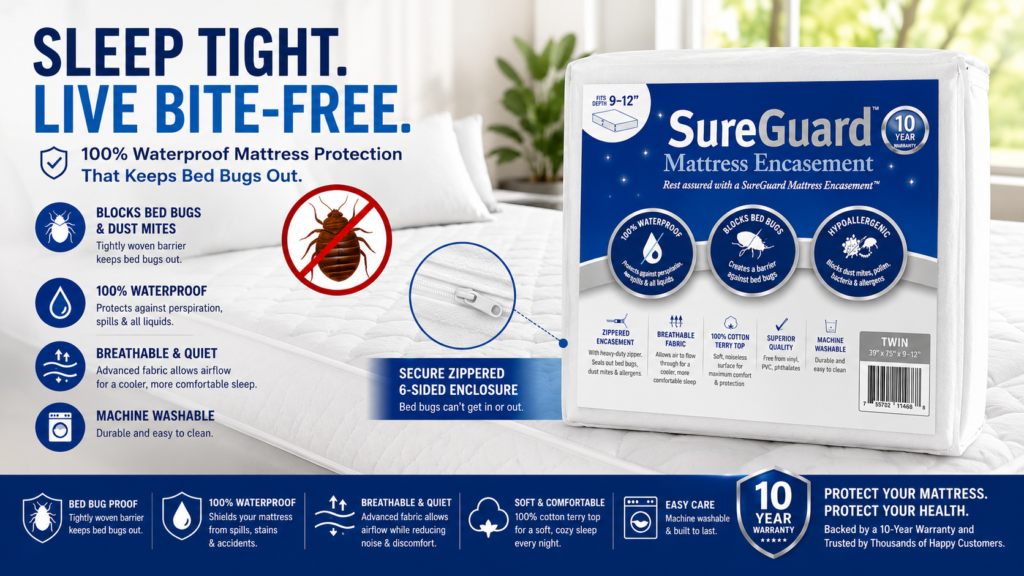
A pesticide may be reasonable when huge groups are repeatedly collecting on the exterior of the house and manual removal is not keeping up. The best target is outside, before large numbers find their way through cracks and into wall spaces.
Choose a product whose label specifically lists boxelder bugs and the exterior area where you plan to use it. Follow its directions exactly, including the application rate, protective equipment, and limits on how often it can be applied.
Do not assume that a product labeled for general crawling insects automatically applies to boxelder bugs on siding, doors, windows, or foundations. Labels matter, especially around windows, gardens, pets, and children.

For help choosing the right type of product for the location and pest, use this guide to matching home bug spray to the problem. A perimeter product may make sense outside, while an indoor aerosol is usually not the answer for bugs wandering out of a wall.
When to Treat Outside
If you use a labeled outdoor treatment, timing matters more than repeatedly spraying after bugs are already throughout the house. Treat when boxelder bugs are actively gathering on the exterior and before they disappear into gaps for winter.
Focus only on the areas named on the label, such as exterior cracks, foundations, door frames, window frames, siding sections, or the surfaces where bugs are visibly gathering. Avoid spraying flowers, vegetable plants, open blooms, or places where pollinators are active.
A treatment can reduce the number of bugs on the wall, but it cannot make up for open gaps around doors, windows, vents, and siding.
What About Soapy Water?
A mild soapy-water spray can kill bugs it contacts directly on hard outdoor surfaces. It may be handy for a small group on a patio or the side of a shed, but it has no lasting effect once dry.
I would not rely on homemade soap mixes around painted siding, delicate plants, or large exterior areas. They can leave residue, affect foliage, and turn into a daily chore without fixing the reason the bugs are getting inside.
Do Not Spray Inside Wall Voids Yourself
It is tempting to spray every opening where bugs disappear, but that can create a mess inside walls without solving the larger issue. It can also expose people, pets, and insulation to pesticide in spaces you cannot inspect or clean.
For a severe recurring problem where bugs are pouring from wall voids, a licensed pest professional can inspect the specific entry points and decide whether a targeted exterior or void treatment is appropriate.
What to Do When They Cover the Outside of Your House
Seeing a wall covered with boxelder bugs is unpleasant, but it is not an emergency. They are drawn to warmth, not trying to eat the siding or destroy the house.
A shop vacuum can remove large groups from hard exterior surfaces if you can do it safely from the ground. Avoid climbing a ladder just to vacuum insects from high siding or upper windows. A fall is a much bigger problem than a cluster of nuisance bugs.
After removing what you can reach, inspect the nearby trim, windows, vents, and siding joints. A heavy cluster is useful information. It tells you exactly where to look for warm surfaces and possible entry gaps.



Will Boxelder Bugs Go Away on Their Own?
The active group indoors eventually dies if it cannot get back outside, but waiting does not address the bugs that may keep emerging from wall spaces on warm days. Vacuuming or sweeping them up is still the cleaner option.
Outside, numbers naturally rise and fall with the season. The biggest nuisance period is usually fall, when they seek winter shelter, followed by mild winter days and early spring when hidden adults become active again.
They are not likely to stay at the same indoor level all year. If you seal the access points and reduce the most obvious gathering spots, the problem is usually much more manageable the next season.
When It Is Time to Call a Pest Professional
Most homeowners can handle a light or moderate boxelder bug problem with vacuuming, weatherstripping, caulk, and outdoor cleanup. I would consider professional help when the issue keeps returning in very large numbers despite those steps.
Call if you have bugs emerging from multiple wall areas, an attic or wall-void issue you cannot safely inspect, a high exterior area that needs repair, or a pest problem you are not sure you have identified correctly.
A good professional should explain where the bugs are getting in and what needs to be repaired. The best service is not simply a quick spray. It is a plan that reduces the routes the bugs use next fall.
Do boxelder bugs reproduce in a house?
No. They may shelter inside wall voids or other protected areas, but they do not build an indoor breeding population in your living spaces. Bugs appearing indoors are typically adults that entered from outside.
How do I get rid of boxelder bugs fast?
Vacuuming or sweeping is the fastest way to remove the bugs already inside. For long-term control, seal cracks around doors, windows, siding, vents, and utility lines so more cannot enter.
Should I crush boxelder bugs?
It is better not to. Crushed bugs can leave dark marks on walls, fabric, curtains, and other light-colored surfaces. Vacuuming or sweeping them up is cleaner.
Will boxelder bugs damage my house?
They do not eat wood, insulation, wiring, clothes, or stored food. Their main impact is nuisance, staining from droppings or crushed bodies, and the annoyance of seeing them gather in large numbers.
Why are boxelder bugs suddenly everywhere outside?
They often gather in fall when cooler weather pushes them to find protected overwintering spots. Warm sunny walls make houses especially attractive gathering places.
Can boxelder bugs bite people or hurt pets?
Boxelder bugs are not considered dangerous to people or pets. They are nuisance insects, not a pest that attacks people, carries a household infestation, or damages the structure of the home.
Caleb Warren writes practical pest guides for WhyDoIHaveBugs.com, helping homeowners identify the real problem and choose sensible control steps before wasting money on the wrong treatment.