Raid Fragrance Free kills bugs on contact — but are you using it right? Honest review covering what it does, what it doesn’t, and when to use it.
You’ve got bugs and you want them dead right now. Not in two weeks, not after some slow-acting bait does its thing — right now. That’s exactly what Raid Ant & Roach Killer is for. It’s a contact killer, it’s fast, and the fragrance-free version means you’re not fumigating your kitchen with artificial scent every time you use it.
But there’s a right way and a wrong way to use a spray like this, and most people use it wrong. This review covers what Raid actually does, where it fits in your pest control plan, and whether the fragrance-free 2-pack is worth keeping under your sink.
The Short Answer
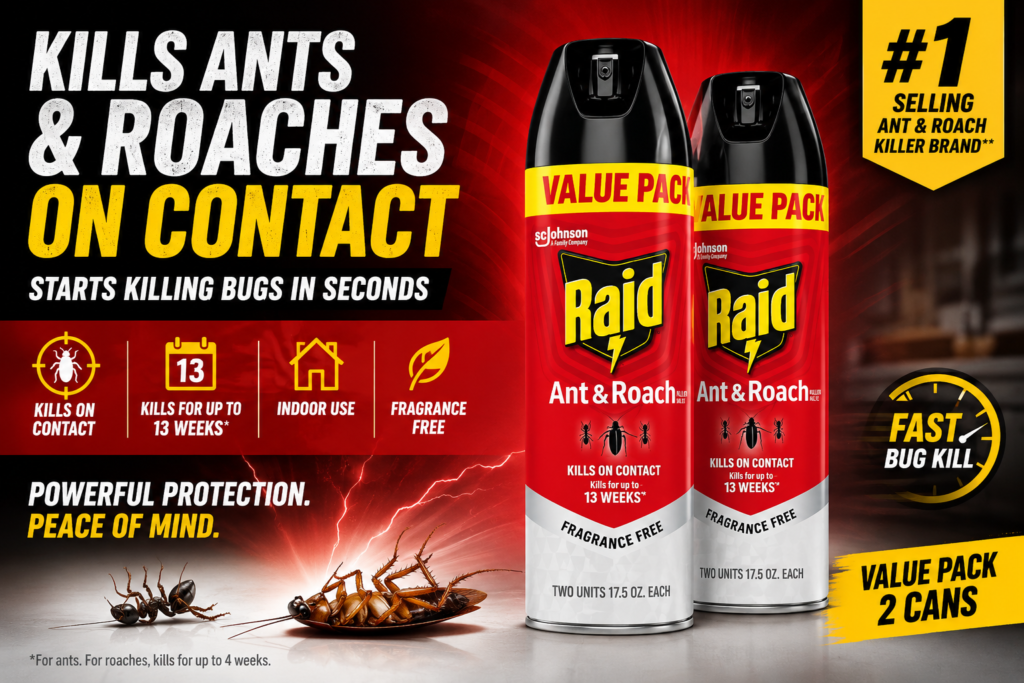
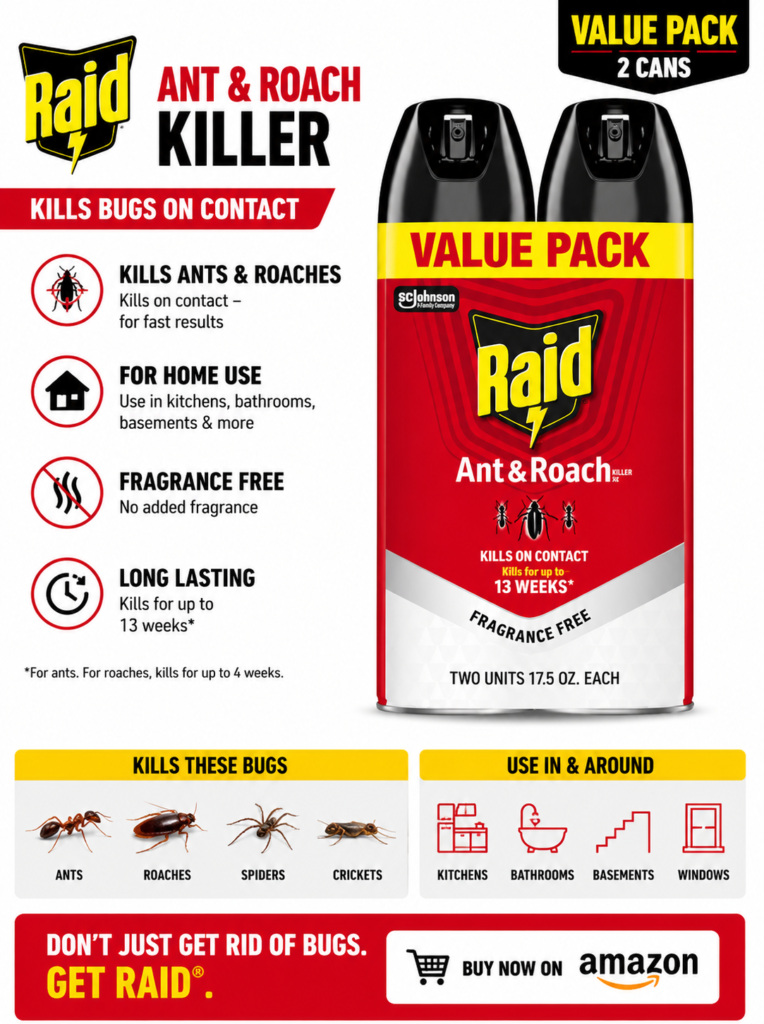
Raid Ant & Roach Killer Fragrance Free works exactly as advertised — it kills ants and roaches on contact, fast. It’s not a colony killer and it won’t solve an infestation on its own, but it’s a solid immediate-response tool for bugs you can see right now. The fragrance-free formula is a real advantage for people sensitive to chemical smells or who don’t want their kitchen reeking after every use. The 2-pack is good value and gives you a can for the kitchen and one for elsewhere in the house.
What Is Raid Ant & Roach Killer?
Raid is the most recognized name in household pest control and has been since the 1950s. The Ant & Roach formula is their core product — a fast-acting contact insecticide in aerosol form.
The active ingredients are imiprothrin and cypermethrin, both synthetic pyrethroids. Pyrethroids are synthetic versions of pyrethrin, which occurs naturally in chrysanthemum flowers. They work by disrupting the nervous system of insects, causing rapid paralysis and death on contact.
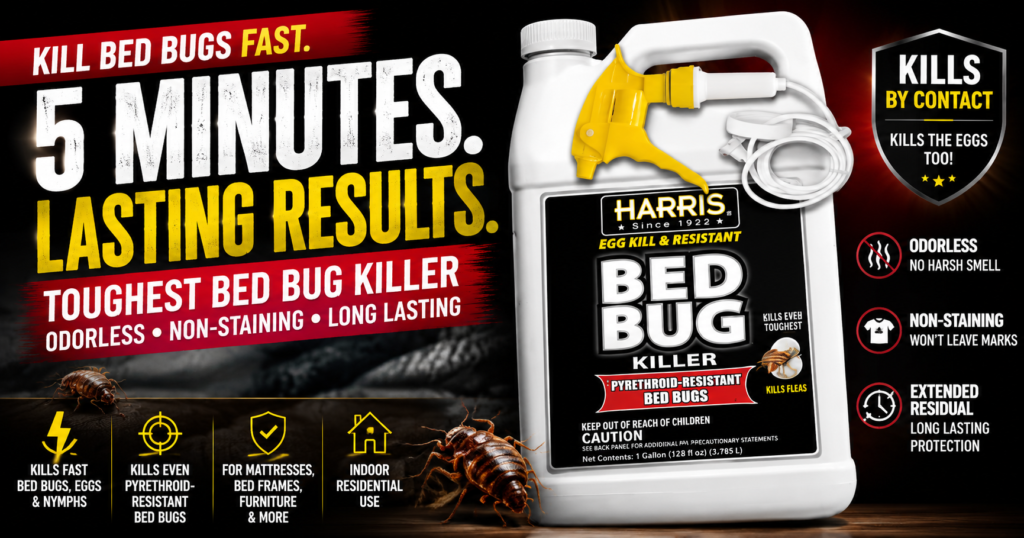
The fragrance-free version contains the same active formula as the original — no scent additives, no masking fragrance. What you’re getting is the kill without the perfume. For anyone who’s ever sprayed bug killer in their kitchen and then couldn’t stand to be in the room for an hour, the difference is significant. For a spray intended specifically for bed bugs rather than general household insects, see a bed bug-specific spray option.
→ Check the current price on Raid Ant & Roach Killer Fragrance Free 2-Pack on Amazon — having two cans on hand means you’re never caught without it.


How Does It Work?
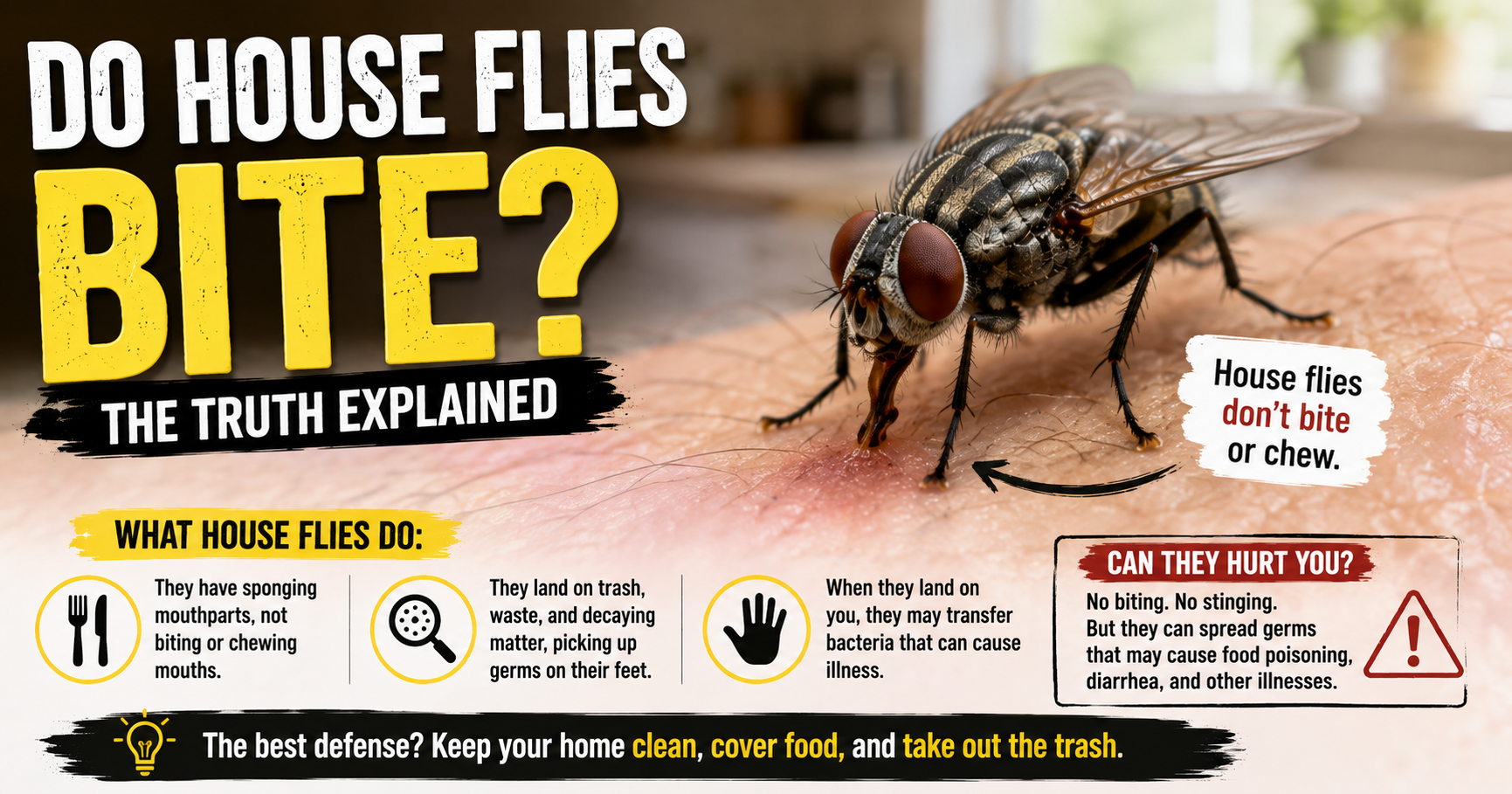
Simple and fast. You spray it directly on bugs or on surfaces where bugs travel, and it kills on contact through nervous system disruption.
There’s also a residual effect — surfaces treated with Raid continue to kill bugs that walk across them for a period of time after application. This makes it useful for treating entry points and bug highways, not just individual insects.
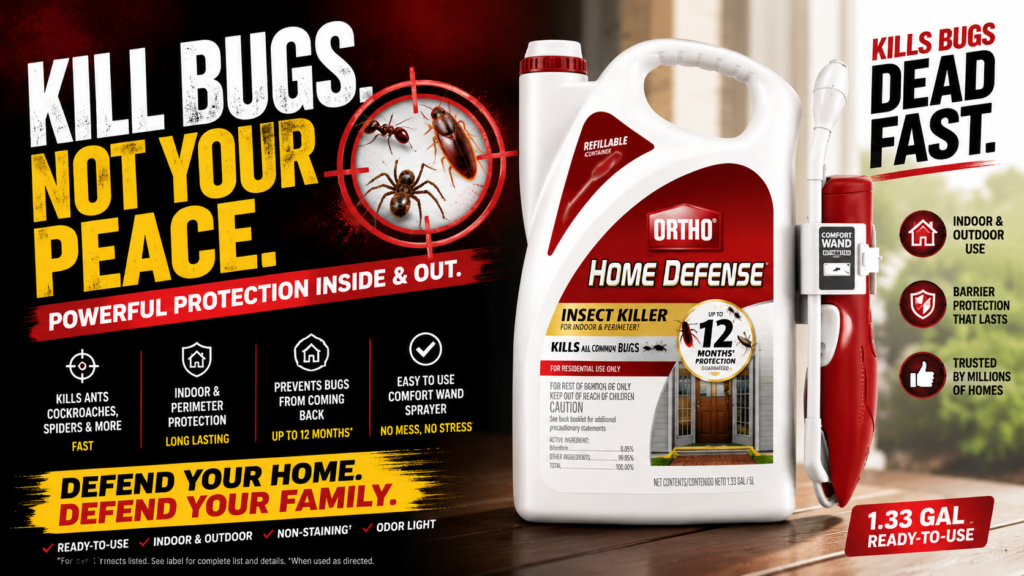
What it does not do is reach a colony. Worker ants and roaches killed by Raid are simply replaced by more from the nest. Spray is a management tool, not an elimination tool for established infestations. Understanding that distinction helps you use it correctly. For preventing ants and roaches from entering in the first place, Is Ortho Home Defense Worth It? The Honest Perimeter Spray Review covers the perimeter approach.
What It’s Best For
Raid Ant & Roach spray excels in specific situations:
- Immediate response — roach on your counter at 11pm, ant trail appearing out of nowhere, bug in the bathroom. Spray kills it now.
- Entry point treatment — spraying around windowsills, door frames, and pipe gaps creates a residual barrier that kills bugs as they enter.
- Supplementing bait treatment — used correctly, spray handles visible bugs while bait works on the colony. The key is keeping spray away from your bait placements.
- Prevention maintenance — periodic treatment of known entry points and high-risk areas keeps casual invaders from establishing.
- One-off encounters — if you genuinely just have occasional bugs rather than an infestation, spray alone may be all you need.
The Fragrance-Free Difference
This matters more than people expect. Standard Raid has a strong chemical-floral smell that lingers for hours. In a kitchen where you’re preparing food, that’s genuinely unpleasant and forces you to ventilate the room before you can comfortably cook in it again.
The fragrance-free version eliminates that entirely. Same kill, no smell. You can spray under the sink, treat a baseboard, or hit a roach in your pantry without your kitchen smelling like an exterminator just left.
For households with people who have fragrance sensitivities, asthma, or allergies — or just anyone who hates the smell — this version is worth specifically seeking out over the standard formula.
How to Use It Correctly
For Killing Bugs on Contact
Point and spray directly on the bug. Hold the can 12–18 inches away and apply for 1–2 seconds. Most insects die within seconds to a minute. Don’t douse the area — a controlled burst is all you need.
For Surface and Entry Point Treatment
Spray a light, even coat along baseboards, around window and door frames, along the edge where your cabinet meets the wall, and around any pipe penetrations you can see. Let it dry completely before allowing kids or pets back in the area.
Focus on entry points first — the places bugs are actually getting in. Spraying random baseboards in rooms with no activity is mostly wasted effort.
For Use Alongside Bait
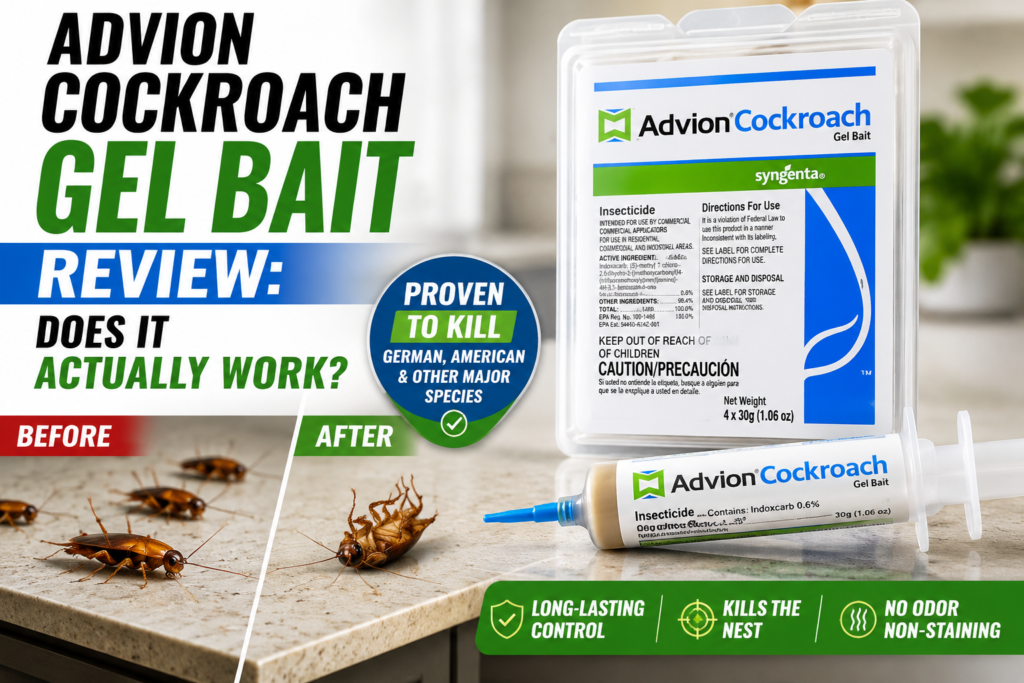
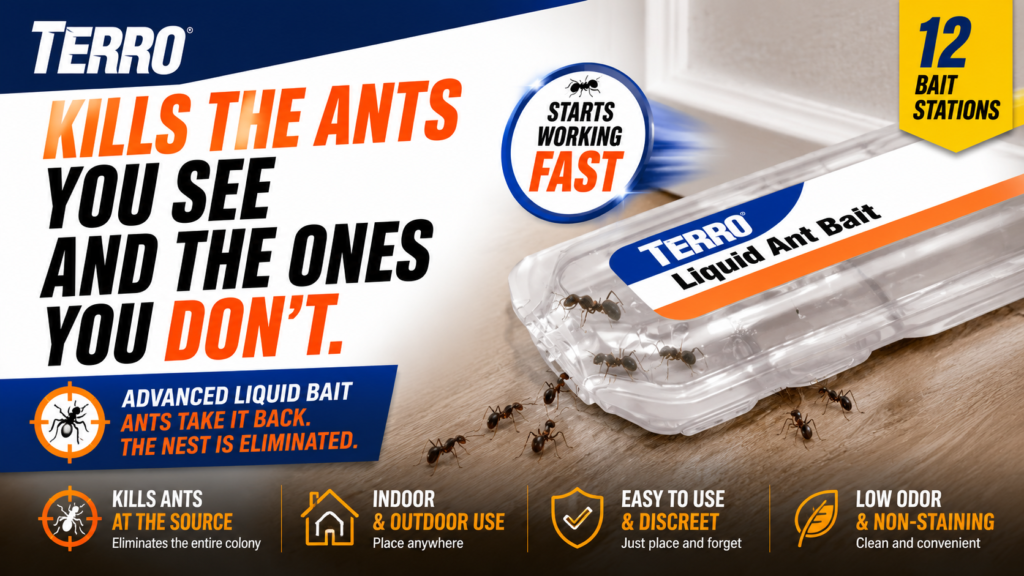
If you’re also using bait — like Advion gel for roaches or TERRO stations for ants — keep the spray well away from your bait placements. Pyrethroid residue near bait repels insects and stops them from feeding on it. Treat entry points with spray, treat harborage areas with bait. Keep them separate.
Tip: After spraying an area, give it 30 minutes to dry before wiping it down. The residual effect needs time to set on the surface. Wiping it immediately removes the protection.
Is It Safe Around Kids and Pets?
Raid is an insecticide — it’s designed to kill bugs, and it needs to be used with appropriate caution around people and animals.
The practical rules are straightforward. Keep people and pets out of the treated area until the spray has dried completely — typically 15–30 minutes with good ventilation. Don’t spray near food, food prep surfaces, or pet bowls. Don’t spray directly on surfaces children touch frequently.
Once dry, the residual is much lower risk. Millions of households use Raid regularly without incident because they follow basic precautions. The fragrance-free version removes the smell cue that tells you “chemical was just sprayed here,” so be more intentional about ventilating and keeping people out of the area after application since you won’t have the smell reminder.
Warning: Never spray Raid in an enclosed space without ventilation. Open a window or run a fan. Don’t spray near a bird cage — birds are extremely sensitive to aerosolized chemicals.
Raid Spray vs. Bait — Which Do You Need?
This is the most important buying question for most people, so here’s a direct answer.
Use spray if:
- You see occasional individual bugs and don’t have an active infestation
- You need immediate kill right now
- You want to treat entry points as a preventive barrier
- You’re using it as a supplement to bait, applied away from bait stations
Use bait if:
- You have a recurring problem that keeps coming back no matter how much you spray
- You’re seeing bugs regularly, especially during the day
- You want to eliminate the colony, not just kill visible bugs
Use both if:
- You have an active infestation and want maximum coverage — bait in harborage areas, spray at entry points, kept well separated
Spray is not a replacement for bait on a real infestation. Bait is not a replacement for spray when you need immediate action. They serve different purposes and work best together when used correctly.
The 2-Pack Value
The T300B 2-pack gives you two 17.5-ounce cans. That’s a meaningful amount of product — you’re not going to burn through it in a week. Having two cans makes practical sense for most households:
- One under the kitchen sink for the room where you need it most
- One in a bathroom cabinet, garage, or basement for secondary areas
The per-can price on the 2-pack is better than buying singles, and for a product you’re going to use regularly, having a backup can means you’re never in the position of having a bug problem and an empty can at the same time.
Common Mistakes to Avoid
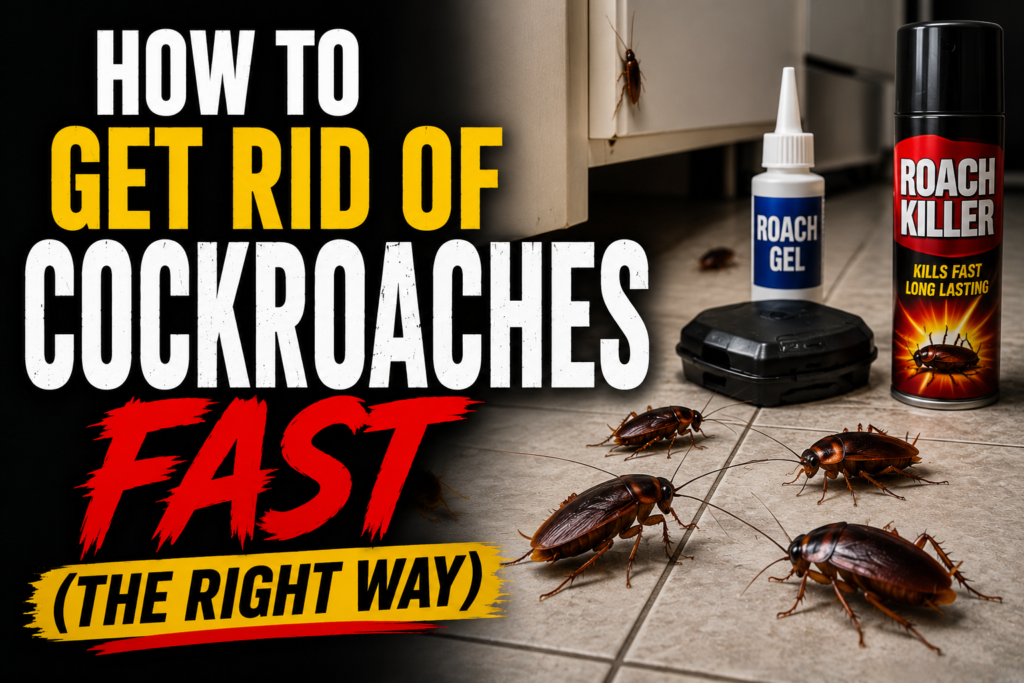
Spraying and thinking you’ve solved an infestation. You’ve solved the bugs you can see. The colony is unaffected. If roaches or ants keep coming back within days of spraying, that’s the infestation talking — you need bait, not more spray. When recurring roaches are the problem, fast cockroach treatment explains how to use bait and other treatments to eliminate the infestation rather than just the insects you see.
Spraying near bait stations. Pyrethroids repel insects. Spray near your TERRO stations or Advion placements and you’ve just created a barrier between the bugs and the bait. Keep them in separate zones.
Over-applying in one spot. More isn’t better with spray. A light even coat on a surface outperforms a heavy soaked application. Heavy application just means more chemical residue and more smell — it doesn’t kill bugs more effectively.
Spraying without addressing entry points. Killing the bugs inside without sealing how they’re getting in is a losing battle. Spray the entry points, then find and seal the gaps.
How to Keep Bugs From Coming Back
Raid handles the bugs you have right now. Preventing the next wave means removing what’s drawing them in.
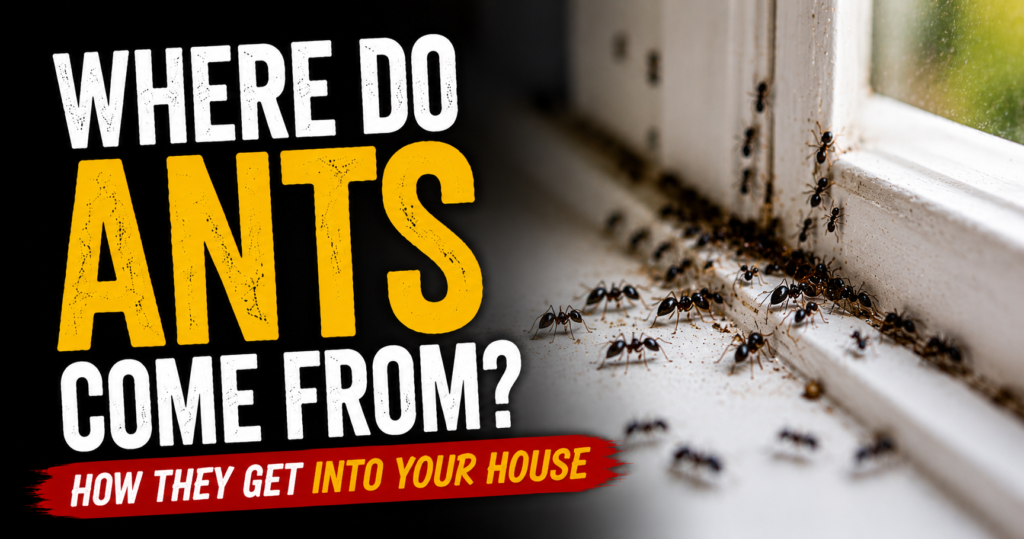
Seal gaps around pipes, windows, and doors. This is the single highest-impact prevention step. Caulk, foam sealant, and weatherstripping close the highways bugs use to enter. Under every sink, around every window frame, along every door threshold. To understand why these small openings attract indoor ants, see common ant entry points.
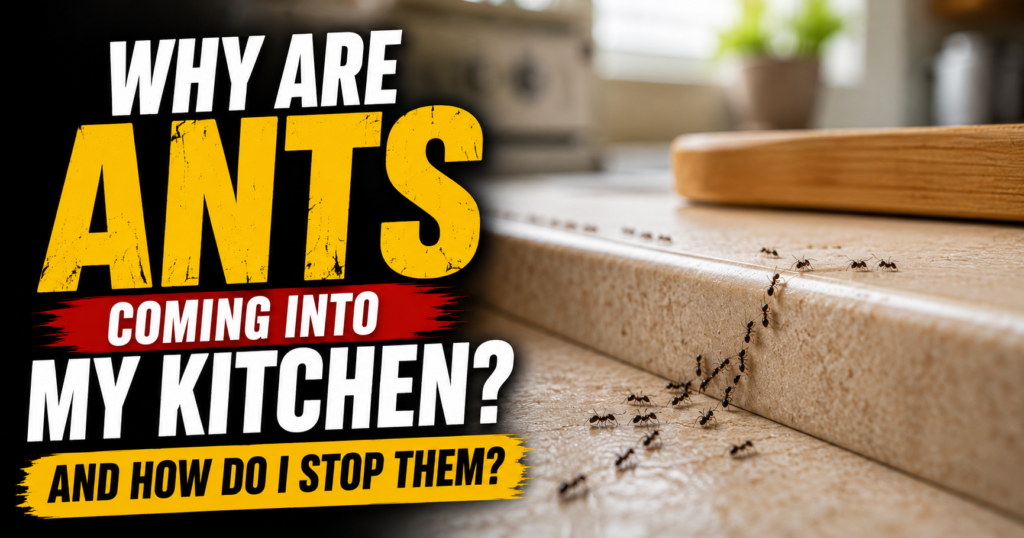
Eliminate food and water sources. Crumbs, grease splatter, dripping pipes, and standing water all send invitations to bugs. Clean under appliances regularly, fix leaks immediately, and don’t leave food out overnight. Those same conditions can explain a recurring ant problem, so review kitchen ant attractants and entry points before relying on repeated spray applications.
Treat entry points on a schedule. A light spray around exterior door frames and windowsills every 4–6 weeks maintains a residual barrier that deters bugs before they get inside. Two minutes of preventive treatment beats two hours of reactive treatment.
Keep spray and bait both on hand. The best household pest control setup is spray for immediate response and entry point treatment, bait for any recurring problem that suggests a colony. Having both means you’re equipped for whatever shows up.
Bugs in the house are fixable. Grab the Raid Ant & Roach Fragrance Free 2-Pack on Amazon and keep it where you can get to it fast — because the time you need it is always right now, not after a shipping delay.