One of the first things I tell homeowners after they find a cockroach is this:
Before you panic, figure out what kind of roach you’re dealing with.
Not all cockroaches behave the same way.
Not all cockroaches invade homes for the same reasons.
And perhaps most importantly, not all cockroaches present the same level of risk for a long-term infestation.
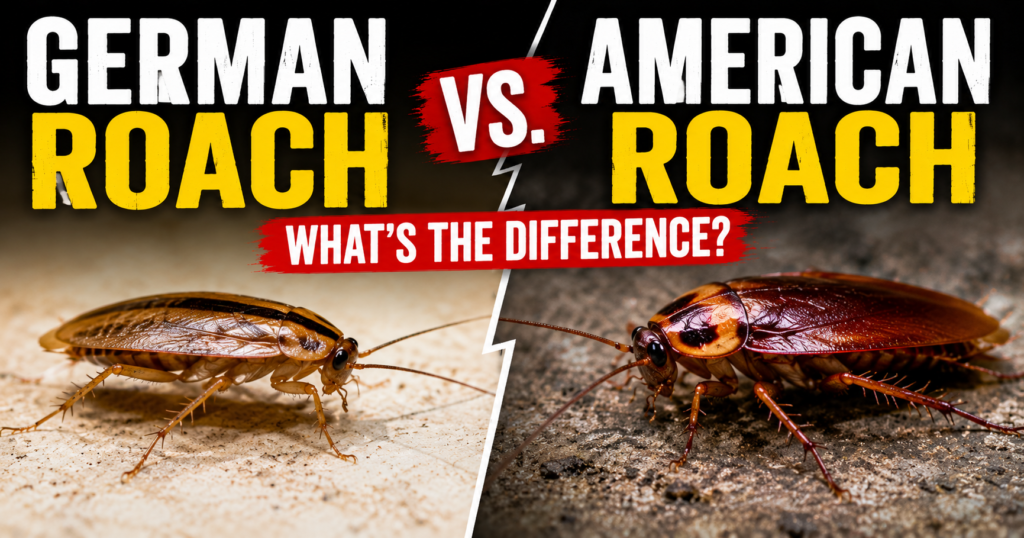
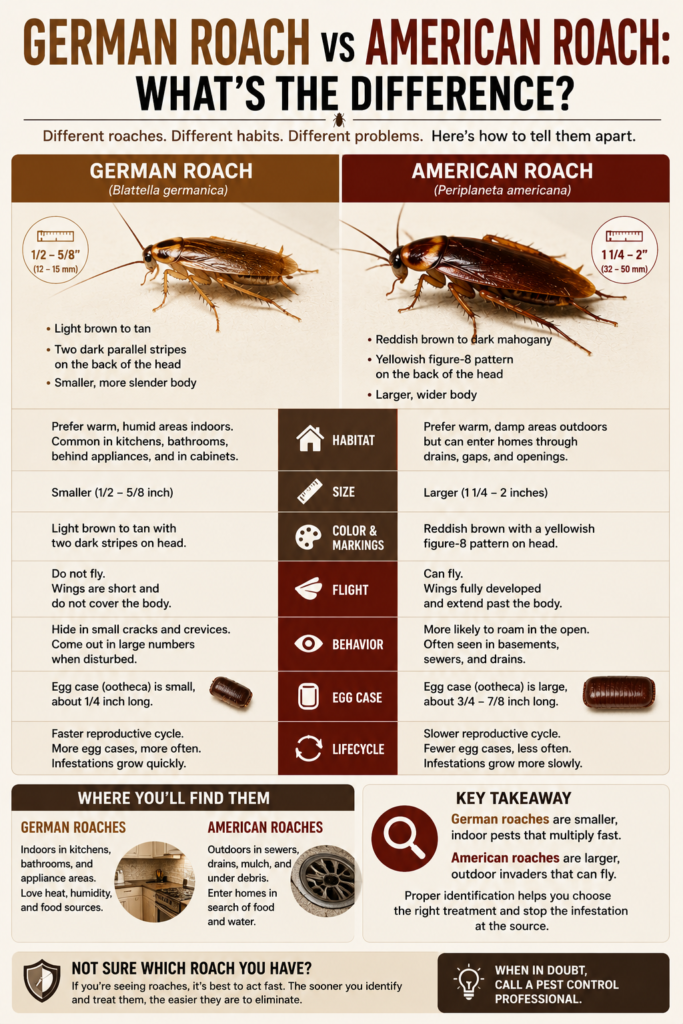
The two species people most commonly compare are German cockroaches and American cockroaches.
While both are unpleasant to find in your home, they’re actually very different insects.
Knowing which one you’re dealing with can help you understand whether you have a serious infestation problem or simply an occasional visitor.
The Biggest Difference Most Homeowners Need to Know
If I could only teach one thing about these two species, it would be this:
German roaches are usually the infestation problem.
American roaches are often the panic problem.
Many homeowners see a huge American cockroach and assume they have a major infestation.
Meanwhile, a handful of tiny German roaches can actually indicate a much bigger issue.
Size can be misleading.
The smaller species often creates the larger headache.


What Does a German Roach Look Like?
German cockroaches are relatively small.
Most adults are:
- Light brown
- Tan colored
- Around ½ to ⅝ inch long
The easiest identifying feature is the pair of dark stripes running behind the head.
When I see those stripes, German cockroaches immediately come to mind.
German roaches reproduce quickly and thrive indoors, which is one reason they cause so many problems.


What Does an American Roach Look Like?
American cockroaches are much larger.
Adults can reach:
- 1½ to 2 inches long
- Reddish brown in color
- Fully winged
Many homeowners describe them as “huge.”
They’re often the species responsible for those startling late-night encounters in kitchens, basements, and garages.
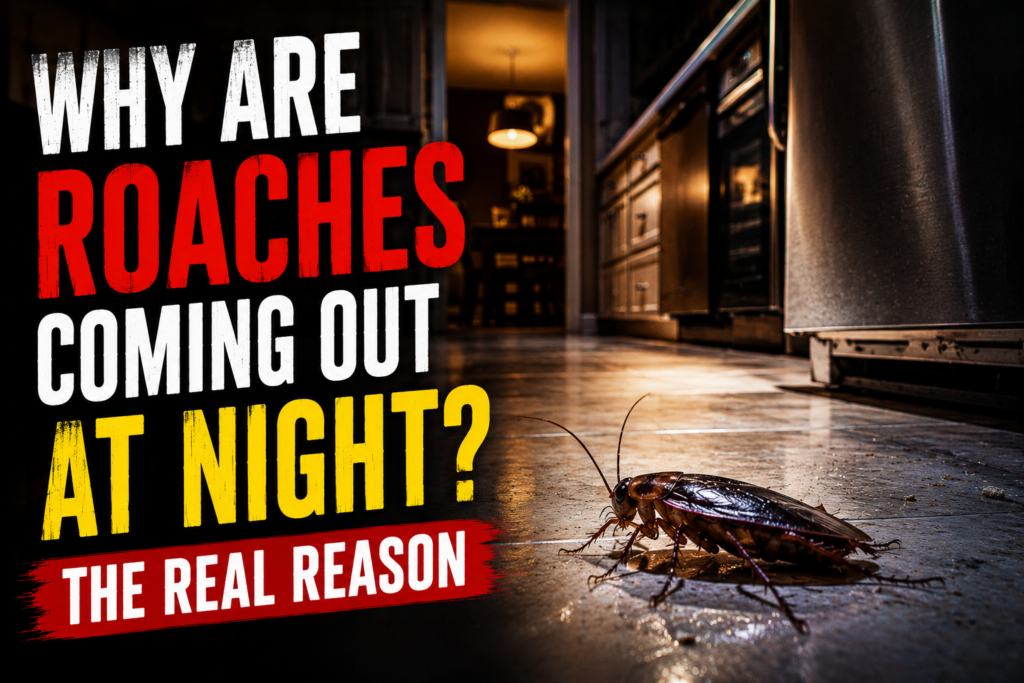
If you’ve been seeing large roaches after dark, our guide on why roaches come out at night explains the behavior behind those sightings.
Which Roach Is More Likely to Infest a Home?
German cockroaches win this category by a mile.
German roaches are indoor specialists.
They prefer:
- Kitchens
- Bathrooms
- Laundry rooms
- Apartments
- Restaurants
- Multi-family housing
American cockroaches often enter homes, but many spend much of their lives in:
- Sewers
- Crawl spaces
- Basements
- Utility areas
- Outdoor environments
This is why I become more concerned when someone tells me they’re seeing small German roaches repeatedly.
Which Roach Reproduces Faster?
German cockroaches.
And it’s not particularly close.
German roaches are notorious for rapid reproduction.

That’s one reason finding baby roaches inside your house often points toward German cockroaches.
A population can grow surprisingly fast if left untreated.
American cockroaches reproduce too, but generally not at the same explosive rate.
Which Roach Is Usually Found in Bathrooms?
Both species can appear in bathrooms.
However, German cockroaches are especially common around:
- Sink cabinets
- Toilets
- Vanities
- Plumbing openings
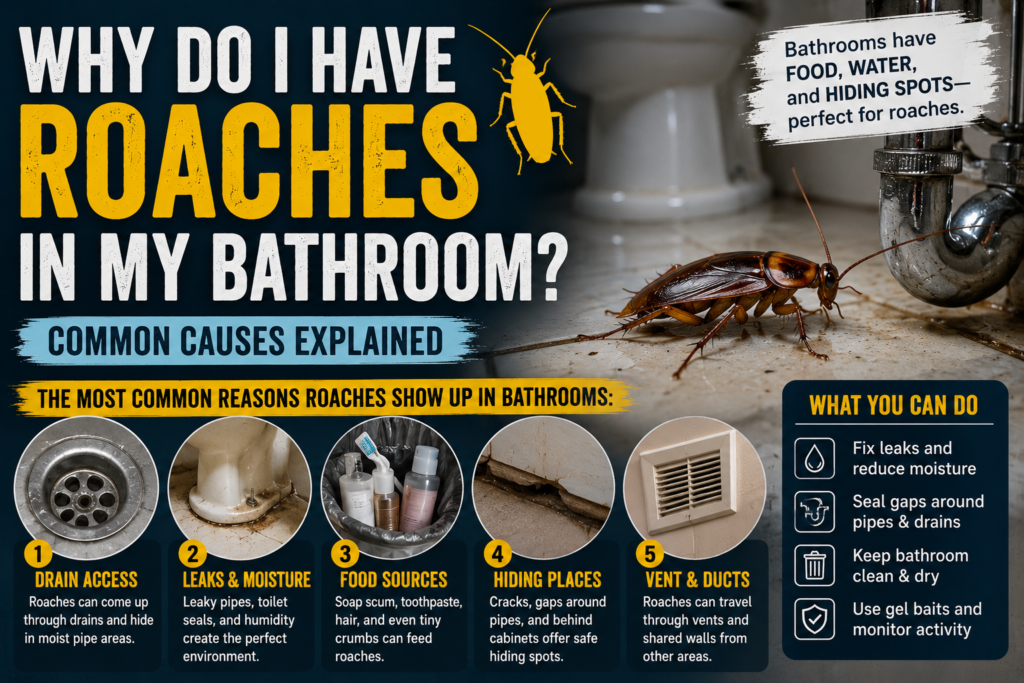
If that’s where you’re finding them, our article on why roaches are attracted to bathrooms covers several common reasons.
Which Roach Is More Likely to Be a Lone Visitor?
American cockroaches.
One large American cockroach can sometimes enter from outside without indicating a larger indoor infestation.
That’s one reason I don’t immediately panic when someone sees a single large roach.
Repeated sightings are a different story.
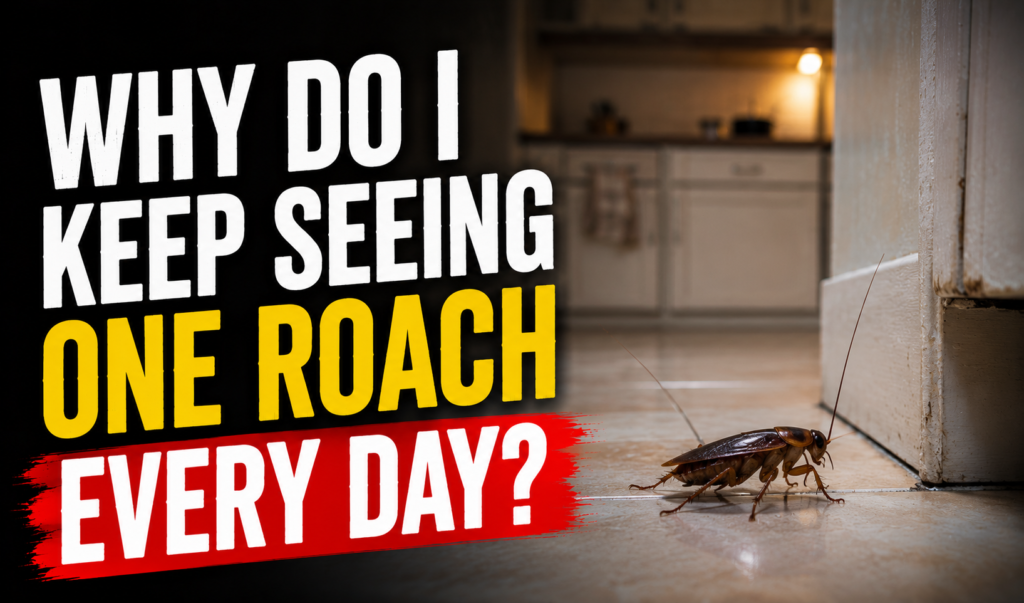
Our guide on why you may be seeing one roach every day explains when recurring sightings become more concerning.
What About Cockroach Eggs?
The egg cases of both species look somewhat similar to homeowners.
However, German cockroaches often create bigger problems because of how rapidly their populations can grow.
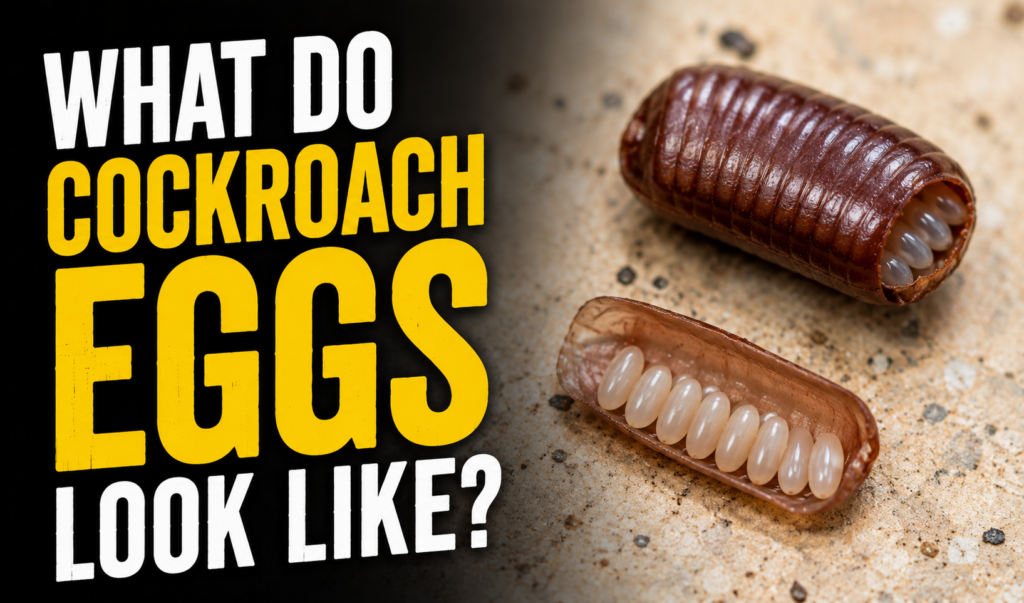
If you’ve found what appears to be an egg case, our guide on what cockroach eggs really look like can help you identify it.
Which Roach Is Harder to Eliminate?
German cockroaches.
Without question.
Because they:
- Reproduce quickly
- Live almost entirely indoors
- Hide close to food and water
- Spread easily through buildings

German roaches often require a more aggressive treatment strategy. For readers considering a treatment option, indoor and perimeter insect treatment may fit situations involving activity inside the home or around its perimeter.
American cockroaches can be frustrating, but eliminating entry points and moisture problems often makes a significant difference.
What I Would Do First
If I found a roach and wasn’t sure what species it was, I would focus on:
- Size
- Color
- Location
- Frequency of sightings
- Presence of baby roaches
Those clues usually reveal much more than people realize.
Understanding what species you’re dealing with often determines the best path forward.

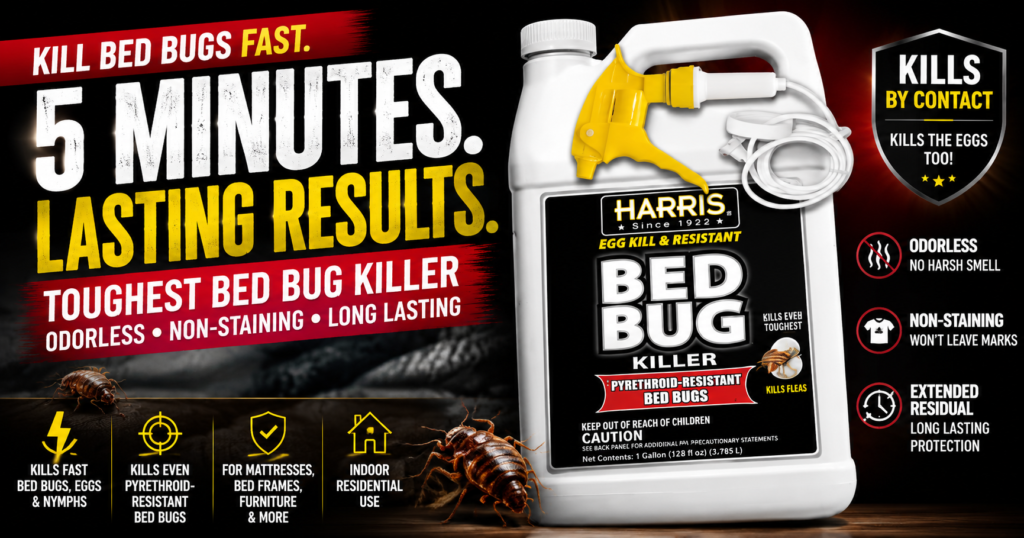

Products That Can Help
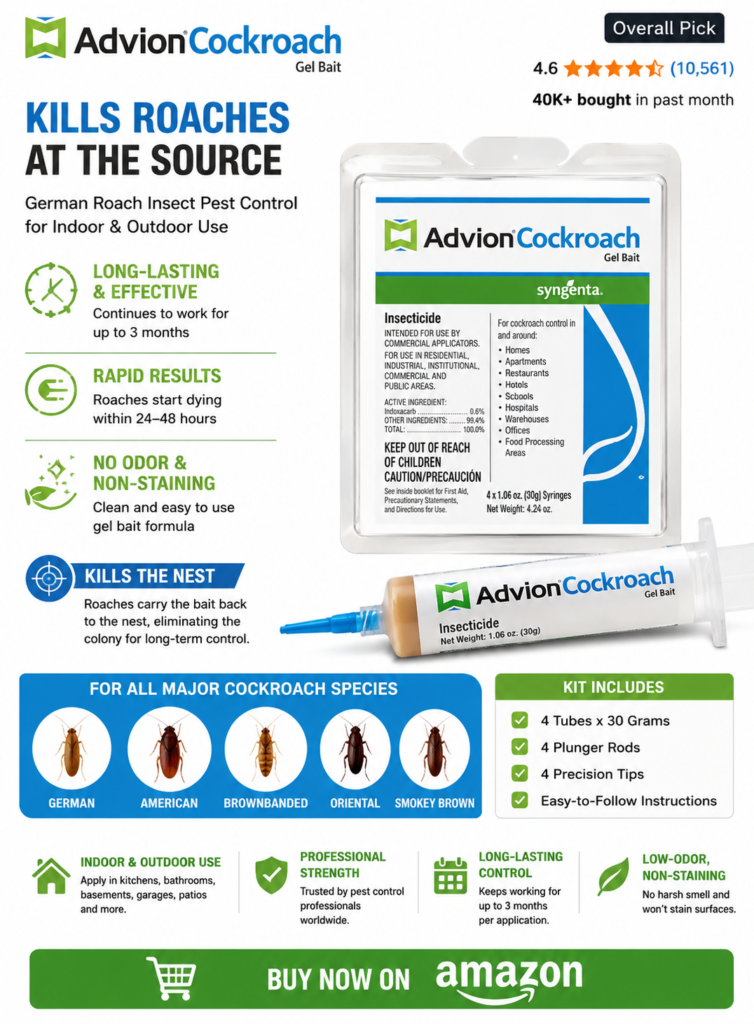
When German roaches are involved, many homeowners turn to products such as Advion Cockroach Gel Bait because it targets hidden populations that traditional sprays often miss.

If you’d like a full breakdown, read our complete Advion Cockroach Gel Bait review.
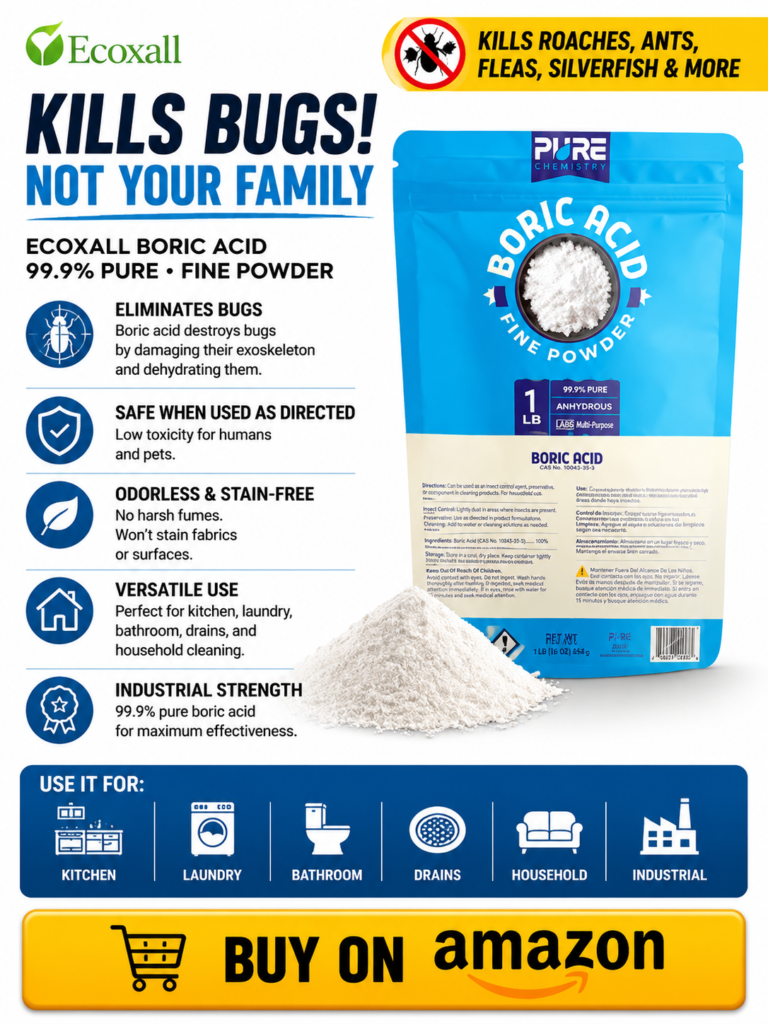
Many homeowners also use boric acid powder in cracks and crevices where roaches travel.
You can learn more in our guide on using boric acid for roaches and ants.
Frequently Asked Questions
Which is worse, German roaches or American roaches?
German roaches are generally considered worse because they reproduce faster and are much more likely to establish indoor infestations.
Are American roaches dangerous?
Like other cockroaches, they can contaminate surfaces and trigger allergy concerns, but a single sighting does not necessarily indicate a major infestation.
Why are German roaches so hard to get rid of?
Their rapid reproduction and ability to hide close to food and water sources make them particularly challenging.
Can both species live in the same house?
Yes. While uncommon, homes can occasionally host multiple cockroach species.
Are baby roaches usually German roaches?
Not always, but German roaches are one of the most common indoor species responsible for baby roach sightings.
About the Author
Michael Carter researches household pests, cockroach behavior, and practical pest control solutions. His work focuses on helping homeowners identify pest problems early and choose realistic solutions that actually work.