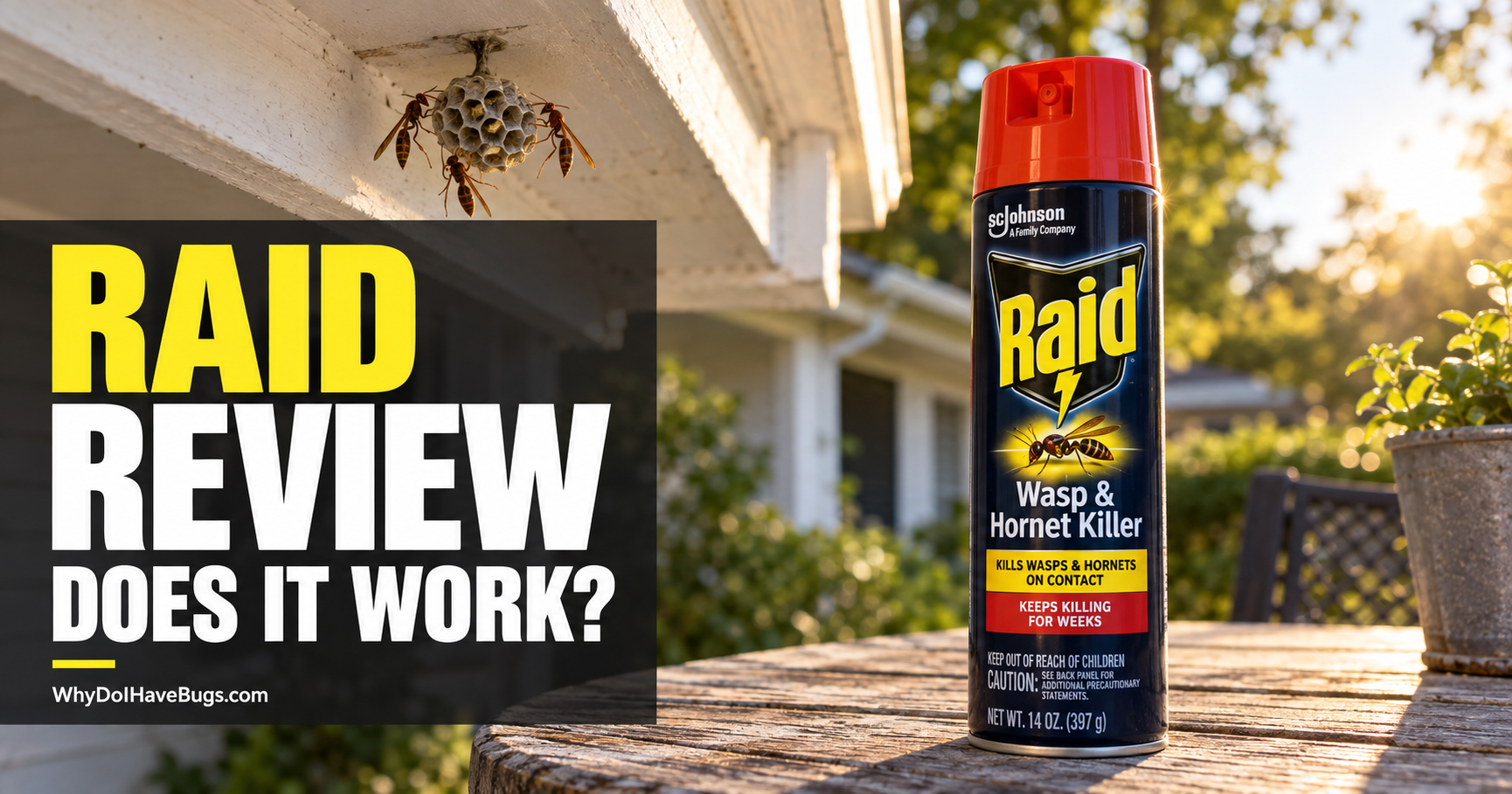
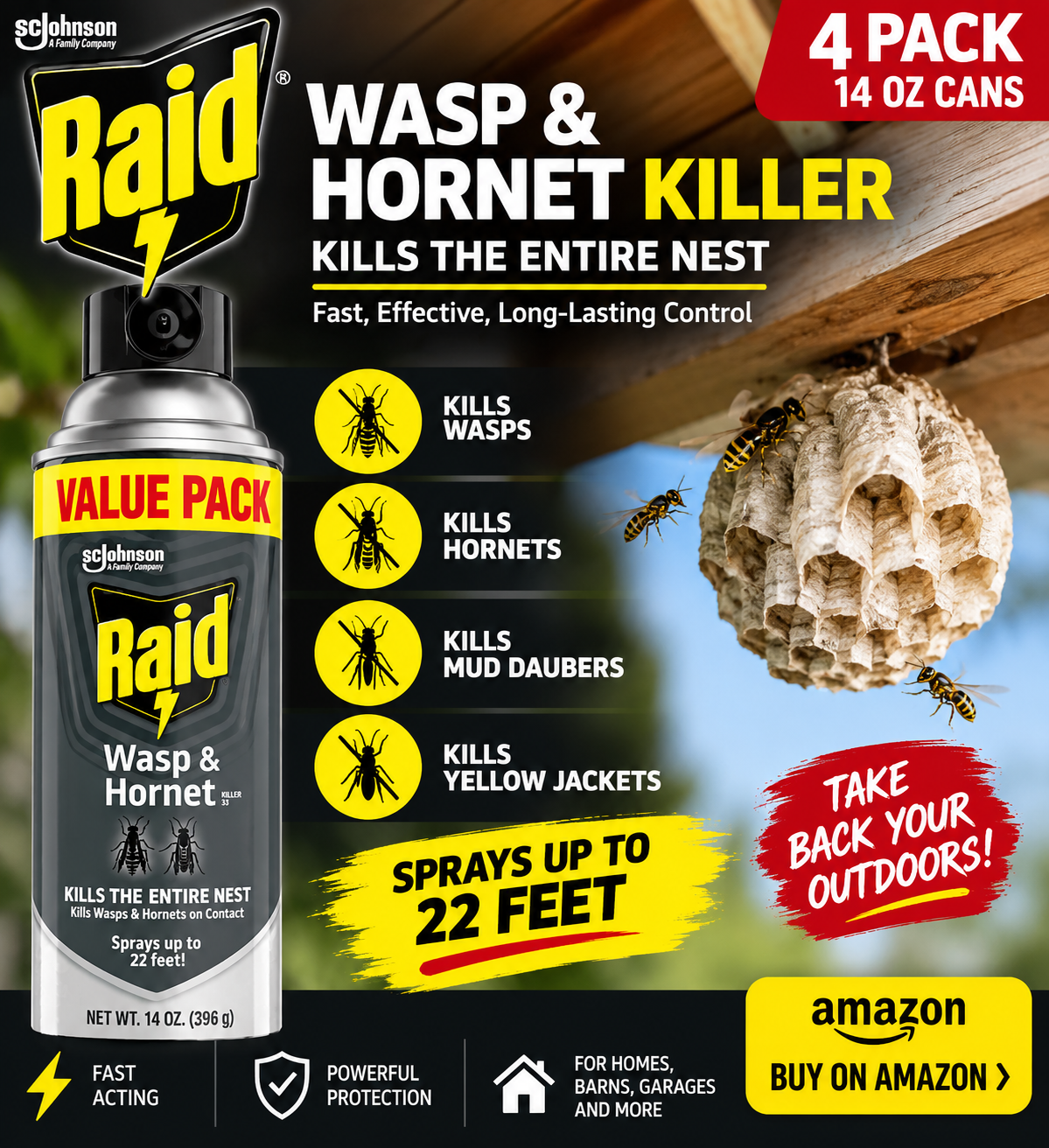
For an exposed nest you can safely reach from the ground, I think Raid Wasp and Hornet Killer Spray is one of the better homeowner options. It is made for paper wasps, yellowjackets, mud daubers, hornets, and other listed insects, and the long-range spray is useful when you need distance between yourself and the nest.
That does not mean it is right for every wasp problem. A spray can be useful for a small, visible nest in a safe spot. It is not the answer for a hidden nest inside a wall, a large nest high above the ground, or an underground yellowjacket colony beside a busy path.
What This Raid Wasp Spray Is Good For
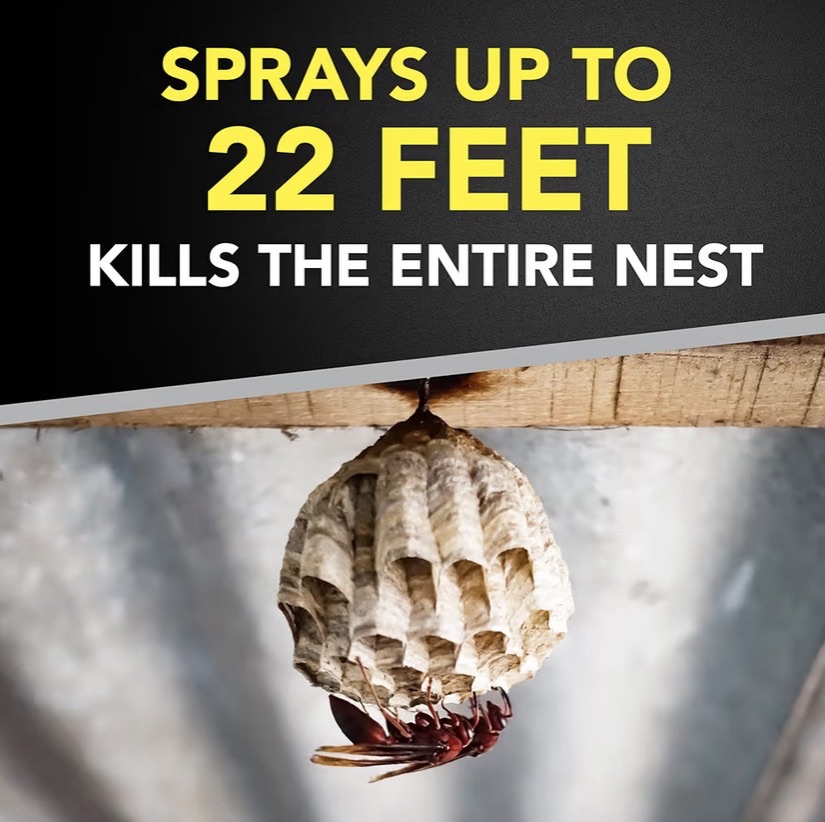
This product makes the most sense when the nest is exposed and you have a clear path to back away. Think of a small paper wasp nest under a low eave, a mud dauber nest on a shed wall, or a visible nest on outdoor equipment.
The spray is especially useful when you have to deal with active wasps instead of an old, empty nest. A long-distance stream lets you treat from farther away than you could with a basic indoor bug spray.
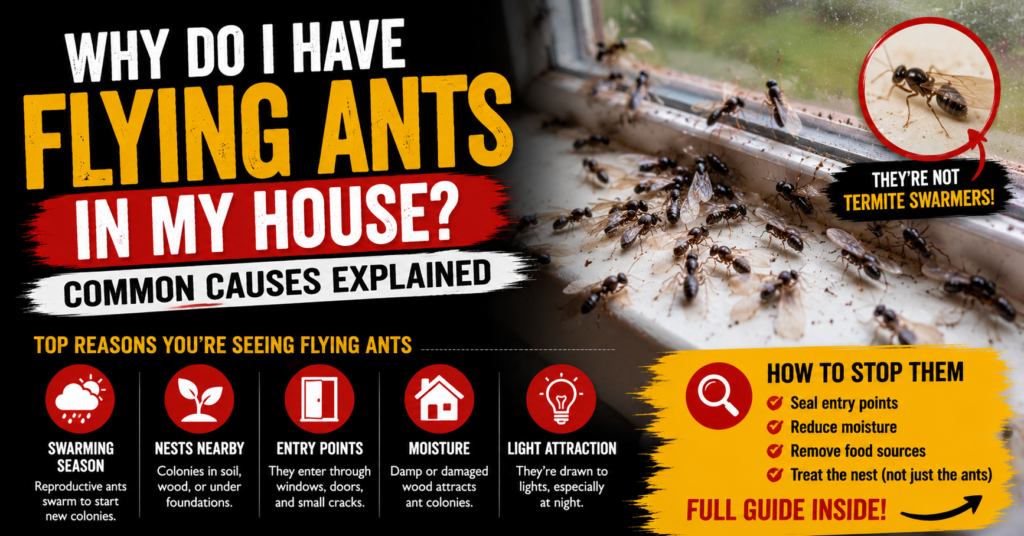
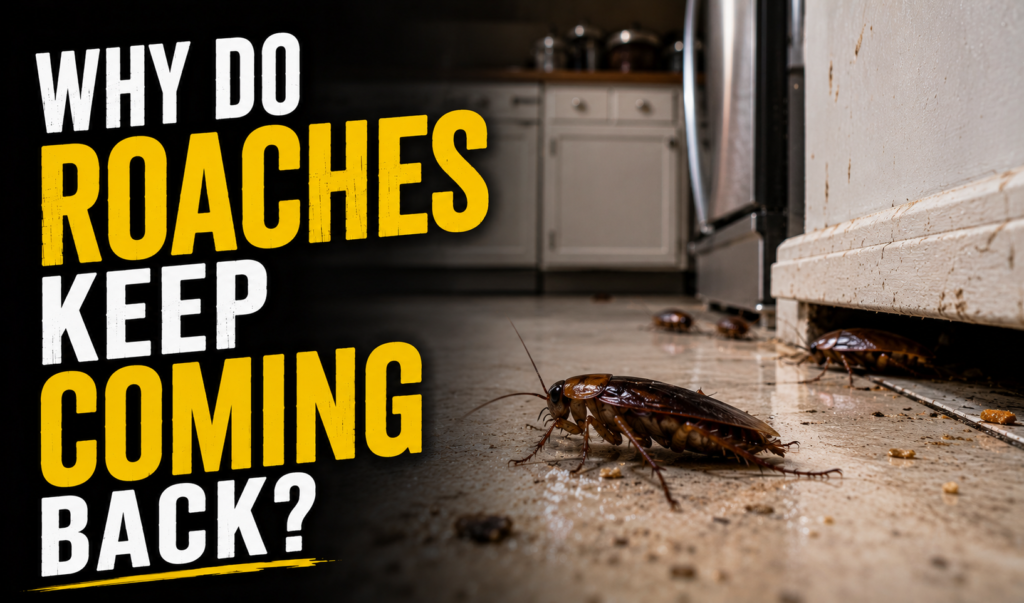
It is also a better fit than using a product made for ants, roaches, or crawling insects. Wasp-and-hornet sprays are designed for the specific situation of treating flying stinging insects around a nest. The same product-specific distinction applies indoors, where Raid spray limitations explains why an ant-and-roach spray is not interchangeable with wasp treatment.
What It Will Not Fix
A wasp spray cannot fix the reason wasps keep returning to your property. It will not seal a siding gap, stop ripe fruit from attracting foraging yellowjackets, or remove a hidden wall void that queens use every spring.
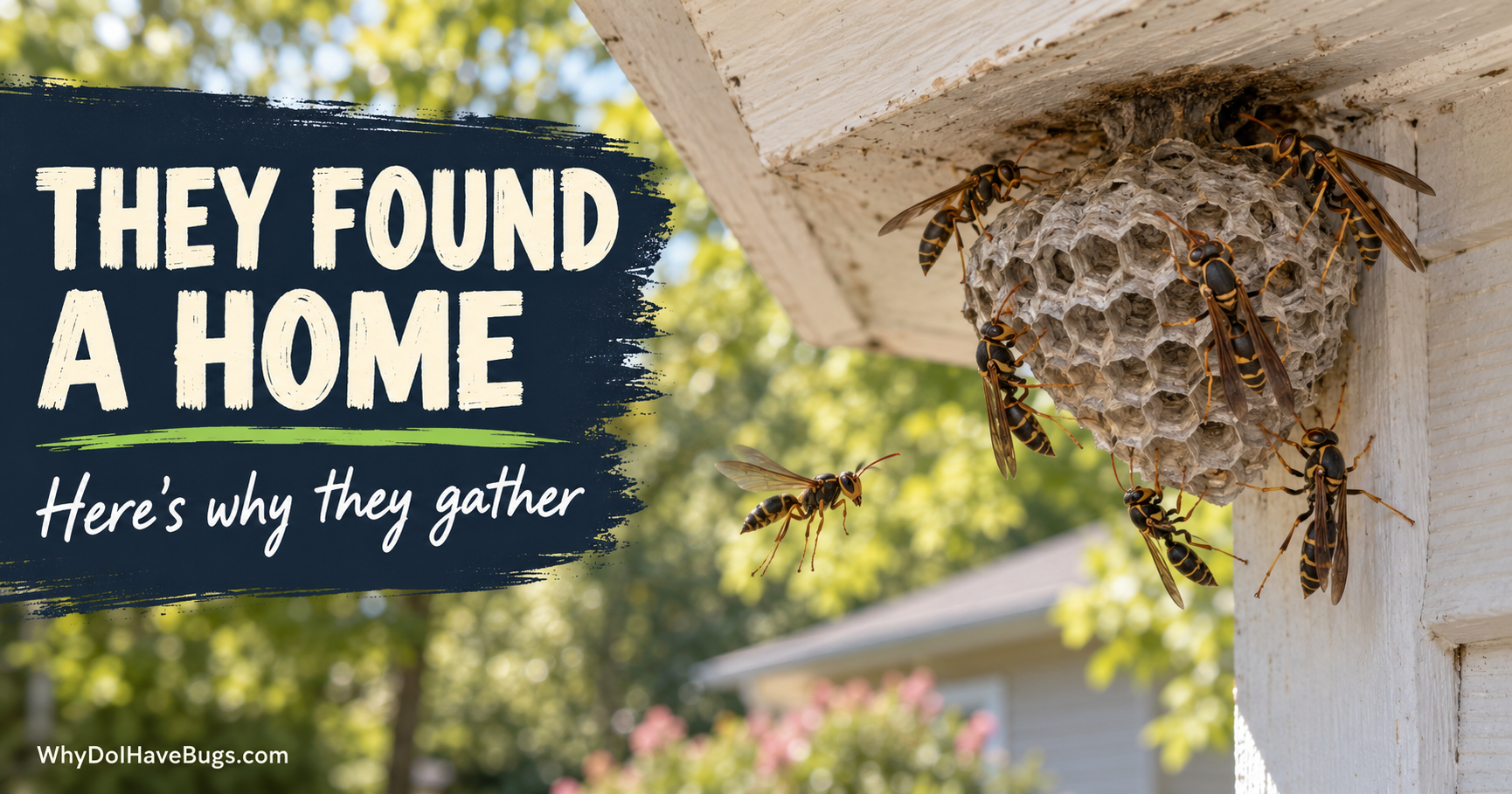
That is why I would pair treatment with the prevention steps in why wasps keep gathering around a house. Once the immediate nest is handled, check your usual trouble spots and remove the food, water, and shelter that keep bringing wasps close to your home.
A spray also cannot safely solve every nest location. If you cannot see the entire nest, cannot reach it from the ground, or do not have a safe escape route, do not assume more spray will make the situation safer.

When Raid Wasp and Hornet Killer Is a Good Choice
This is a good homeowner product when all of the following are true:
- The nest is small and fully visible.
- You can stand on solid ground.
- You can treat it from a safe distance allowed by the label.
- You have a clear direction to walk away after treatment.
- The nest is not beside a door, pet area, children’s play area, or animal pen.
- The nest is not inside a wall, attic, soffit, or other enclosed space.
- No one nearby has a known severe allergy to stings.
If those conditions are not met, the best product may be no product at all. Calling a pest professional is often the safer choice.
When You Should Not Use Any Wasp Spray
Do not spray a nest from a ladder. It only takes one startled group of wasps to make a ladder unsafe.
Do not spray an active wall, attic, or soffit nest through a random crack. Wasps may be using more than one opening, and blocking or irritating the colony can send them searching for an exit inside your home.
Do not use it near open flames, grills, electrical equipment, ponds, food-prep surfaces, or areas where the label says not to apply it. Keep children, pets, and livestock away during application and follow all reentry instructions on the label.
Underground yellowjacket nests are also a different situation. They can be hard to see, easy to disturb, and located right where you need to mow, walk, or work. If the entrance is near daily activity, professional removal is usually worth it.
How to Use Wasp Spray More Safely
Always read the exact product label before you use any pesticide, even if you have used a similar product before. Labels can change, and the label is what tells you the approved use sites, protective clothing, application distance, and precautions.
Wear closed-toe shoes, long pants, and clothing that covers your arms. Do not wear a heavily scented product, and make sure children, pets, and other people are out of the treatment area.
Plan your exit before you spray. You should never need to run through bushes, climb down a ladder, or squeeze past the nest to get away.
Treat only when weather is calm enough for the spray to go where you intend. Wind can carry product back toward you or onto plants plants and surfaces you did not mean to treat.
After treatment, stay away from the nest and follow the label directions before checking it. Do not immediately knock it down just because the wasps look inactive. Some may still be alive or return later.
Why an Exposed Paper Wasp Nest Is Different From a Yellowjacket Nest
An open paper wasp nest under an eave is often easier to see and assess. You can tell where the nest is, watch activity from a safe distance, and decide whether it is in a place that needs attention.
Yellowjackets are more complicated because they often nest in ground holes, wall voids, soffits, and other hidden spaces. You may see only the entrance, not the full nest.
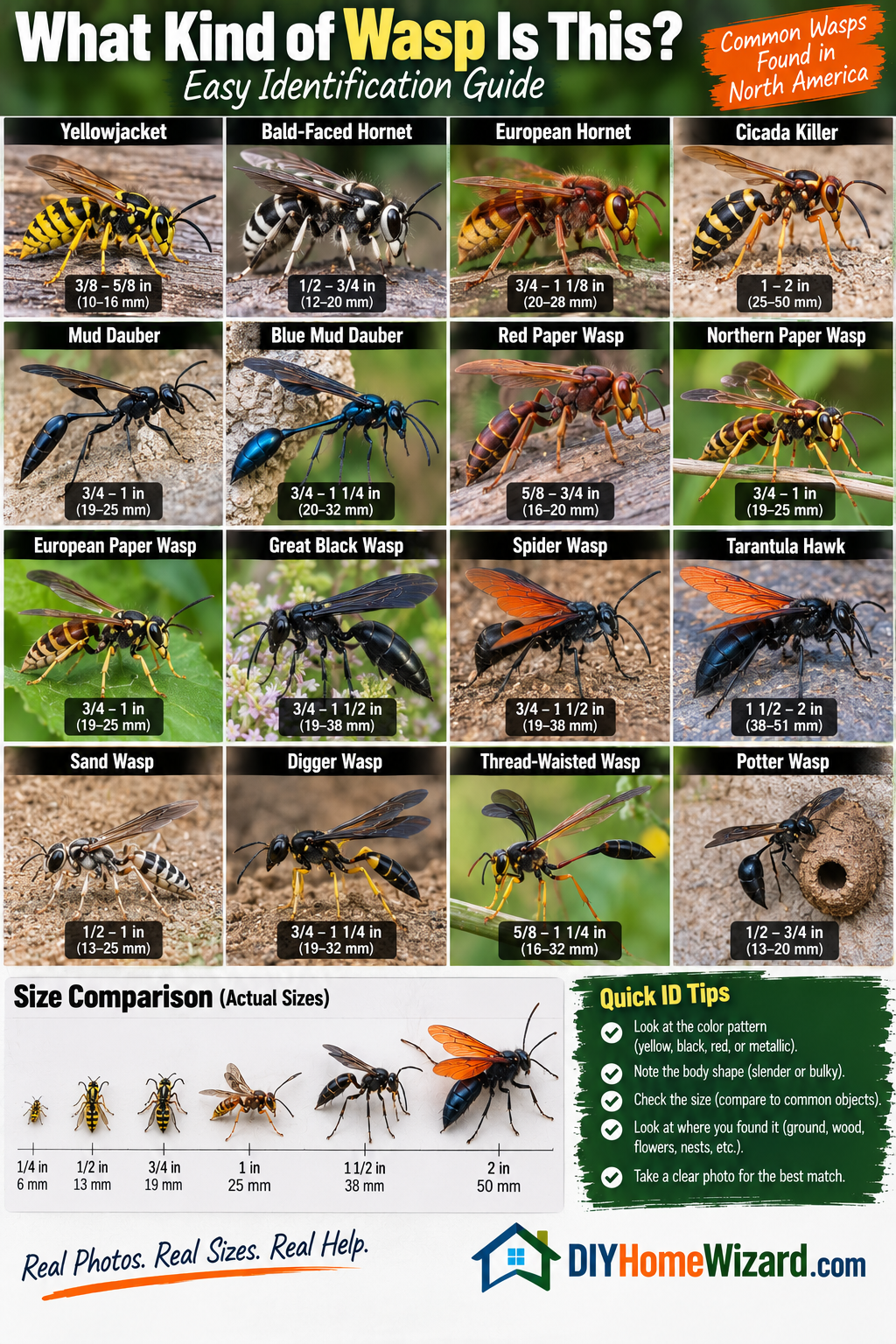
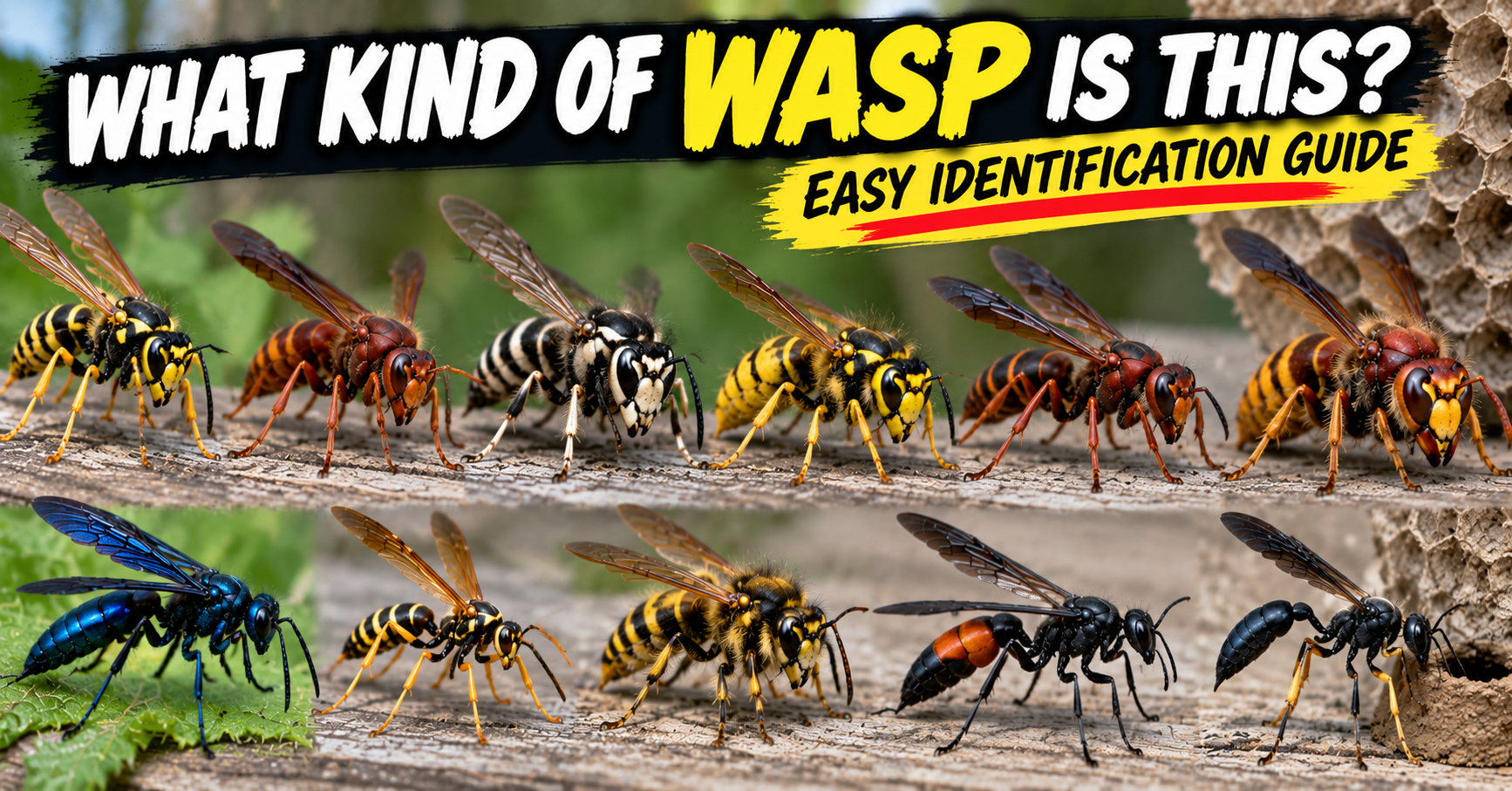
That distinction matters. This wasp identification guide can help you identify the nest style before you choose a treatment method. Treating an open paper wasp nest and treating a concealed yellowjacket colony are not the same job.
Is the Four-Pack Worth Buying?
The four-pack of Raid Wasp and Hornet Killer makes practical sense for homeowners with a rural property, sheds, barns, multiple porch areas, fruit trees, or recurring summer nests. You can keep a can where you are most likely to need it instead of discovering the only can is in the garage when you find a nest by the back door.
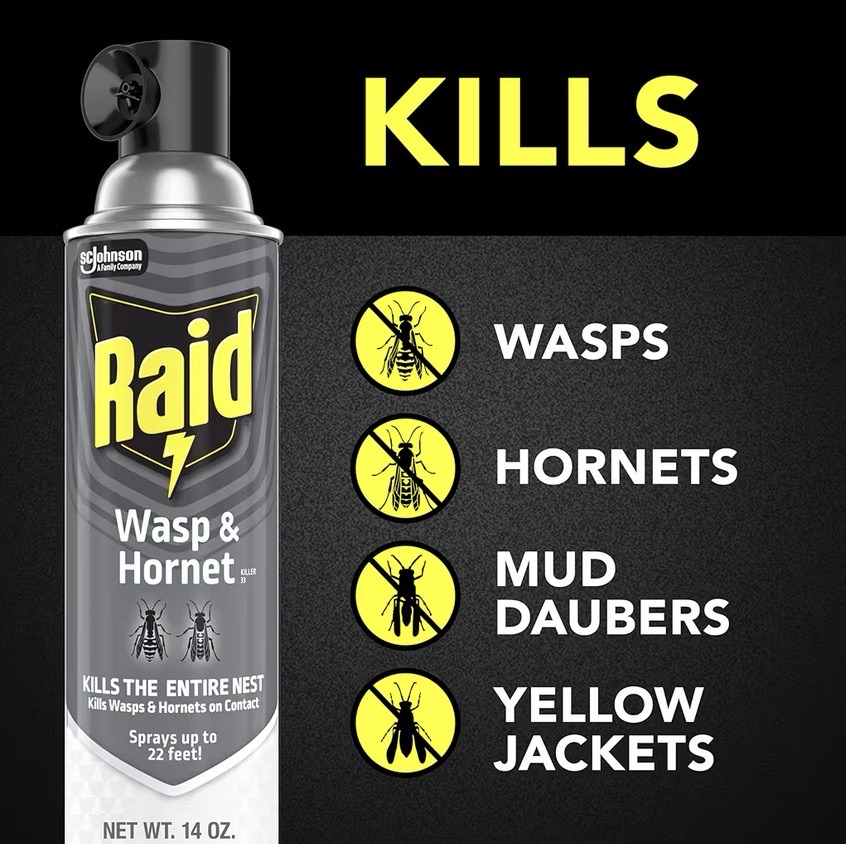
Just store it responsibly. Keep it in a dry place away from direct heat, out of reach of children, and away from ignition sources. Do not leave a can in a hot vehicle or in a place where it can freeze or be damaged.
Having a product on hand is useful. Treating every wasp you see is not. Many wasps are beneficial predators, especially solitary species such as mud daubers and cicada killers.
What I Would Do With Different Wasp Situations
A small exposed paper wasp nest near a doorway is usually the kind of situation where a labeled wasp spray can be reasonable. Wait for a calm time, follow the label, keep your distance, and make sure you have a clear way away from the area.
A mud dauber nest on a remote shed does not always need treatment. Mud daubers are usually solitary and much less aggressive than yellowjackets. If it is out of the way, leaving it alone can be the easiest option.
A large enclosed nest in a tree, wall, attic, soffit, or high eave is a professional job. The same is true for yellowjackets entering a hole in the ground where people, pets, or equipment pass.
The product is a tool, not a replacement for good judgment. The safest choice depends on the wasp type, nest location, size of the colony, and who may be exposed.


How to Keep Wasps From Rebuilding After Treatment
Once the nest is gone, inspect the area before the next spring and early summer. Look for gaps around siding, loose soffit material, openings near utility lines, damaged screens, and protected corners beneath eaves.
Keep fallen fruit picked up, trash closed, and sweet drink spills cleaned up. These steps will not stop every wasp from visiting, but they help reduce the reasons they keep hanging around your house.
If you repeatedly find nests under the same eave, make that spot part of your regular warm-weather walk-around. Catching a new nest while it is still small is much easier than dealing with a mature colony later in the season.
Frequently Asked Questions
What is the best wasp spray for a visible nest?
Raid Wasp and Hornet Killer is a solid choice for a small exposed nest you can safely treat from the ground, as long as the label allows the use site and you follow all directions.
Does wasp spray kill yellowjackets?
A product labeled for yellowjackets can kill yellowjackets it contacts. Hidden nests, wall nests, and underground colonies may need a different approach or professional treatment.
Can I spray a wasp nest at night?
Nighttime can mean more wasps are at the nest. Follow the product label and avoid treatment if you cannot clearly see the nest, use the product safely, or retreat without risk.
Can I use wasp spray inside a wall?
No. Do not spray an active nest inside a wall or enclosed structure through a crack. Wasps may find another exit into the house, and a professional is the safer option.
Does wasp spray kill the whole nest?
It can be effective on a small, exposed nest when used exactly as directed. It is much less dependable when the colony is concealed in a wall, ground hole, attic, or other inaccessible space.
Should I spray mud daubers?
Only if their nest is in a spot where it creates a real problem. Mud daubers are usually solitary, less aggressive, and helpful because they hunt spiders.
Caleb Warren writes practical home and garden pest guides for WhyDoIHaveBugs.com, helping homeowners choose safer, more effective answers for the pests around their property.